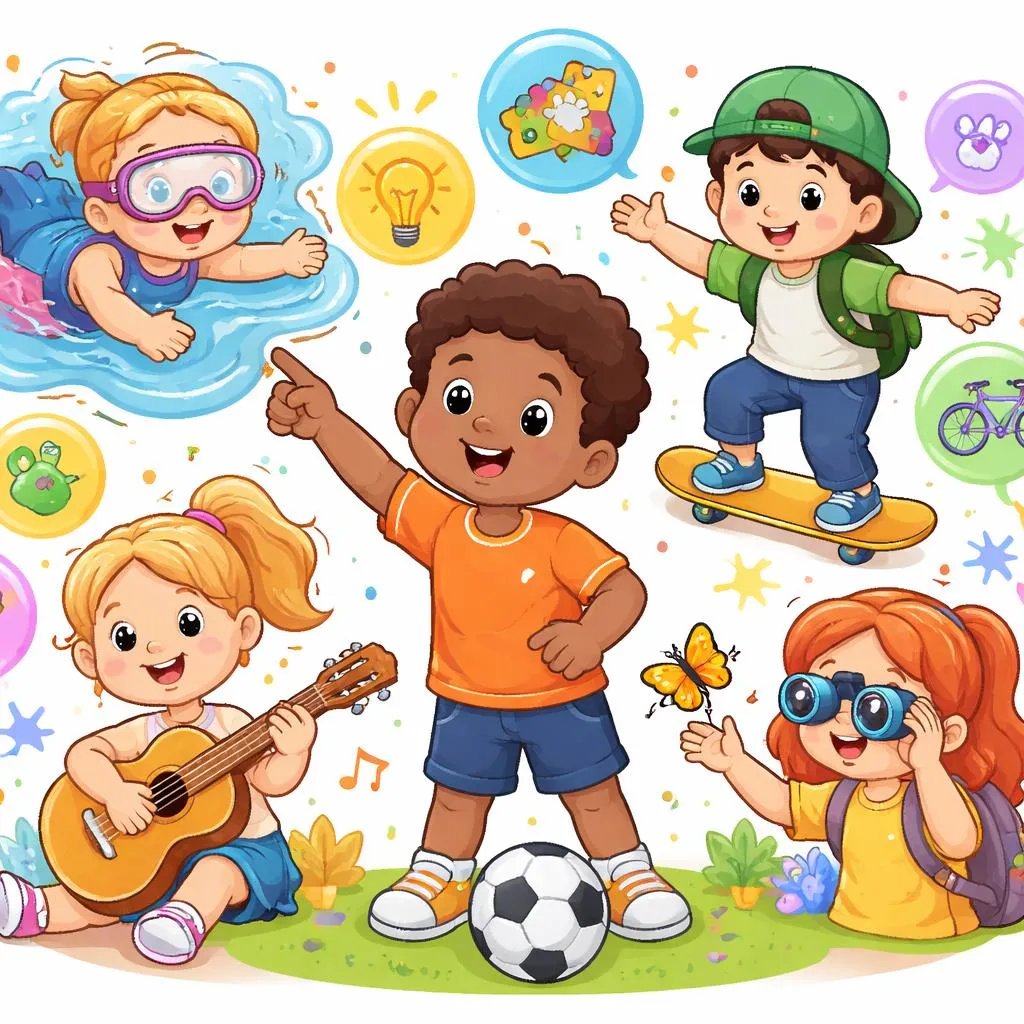

Teaching grammar to young learners requires a special approach. We need to make abstract concepts feel real. The word "can" is one of the most useful words in English. It helps us express what we are able to do. Using can for ability is a perfect starting point for building simple sentences. It empowers children to talk about themselves. Let's explore how to guide students through this essential grammar point with confidence and joy.
Meaning: What Does "Can" Express? We use the word "can" to talk about ability. It tells others what we know how to do. It tells them what is possible for us. This is a powerful idea for a young learner. They can now express their skills and talents.
We introduce the concept with clear examples.
I can read a book.
I can draw a picture.
I can ride a bike.
We explain that "can" is a helper verb. It always goes with another action word. We do not say "I can read" or "I can reading." It is always "can" plus the simple form of the verb. This rule is simple and consistent. That is why using can for ability is so easy for beginners to grasp.
Conjugation: The Good News About "Can" Here is the best part about teaching "can." It does not change. This is very different from other verbs.
We tell the class that "can" is a special friend. It stays the same for everyone.
I can sing.
You can sing.
He can sing.
She can sing.
We can sing.
They can sing.
There is no need to add an "s" for "he" or "she." We do not say "he cans." We keep it simple. This consistency builds confidence. When we focus on can for ability, students can make correct sentences right away without worrying about complicated endings.
Present Tense: Talking About Now We use "can" most often in the present tense. We talk about what we are able to do right now.
We model sentences for the class.
I can touch my toes.
I can write my name.
I can count to ten.
We encourage students to share their own abilities. We go around the circle. Each student completes the sentence: "I can..." This activity builds community. We learn about each other. It also provides meaningful, repeated practice with can for ability in the present tense.
Past Tense: The Story of "Could" When we want to talk about the past, we use "could." This is the past form of "can." We introduce it when students are ready for a small challenge.
We explain that "could" works the same way. It does not change either.
When I was little, I could not read. Now I can.
Yesterday, I could run fast.
Last year, she could swim.
We use "could" to tell stories about how we have grown and learned. This connects the grammar point to personal history. Using can for ability in the present and "could" in the past allows students to talk about their development over time.
Future Tense: Talking About Later To talk about the future, we do not use "can" alone. We use phrases like "will be able to." This is a slightly more advanced structure.
We introduce it gently.
I will practice, so I will be able to read the whole book.
When we learn more, we will be able to sing the song.
We explain that "can" is for now. "Will be able to" is for later. This distinction helps students understand the timeline of events. It expands their ability to express themselves beyond the present moment. The concept of can for ability now includes the future possibility of new skills.
Questions: Asking About Abilities Asking questions is just as important as making statements. To form a question with "can," we simply change the word order.
We show the pattern.
Statement: You can jump.
Question: Can you jump?
We put "can" at the beginning of the sentence. The rest of the sentence stays the same. This is a simple, reliable rule.
We practice asking and answering.
Can you whistle?
Yes, I can. / No, I cannot.
We teach the short answers too. "Cannot" is often shortened to "can't" in speaking. Practicing questions gives students a tool for conversation. They can now ask their friends about their talents using can for ability.
Other Uses: Beyond Ability While our focus is ability, it is good to know that "can" has other jobs. We can mention these when they come up naturally.
We use "can" to ask for permission.
Can I go to the bathroom?
Can I have a drink?
We use "can" to talk about what is possible.
It can get cold in the winter.
You can find books in the library.
These are all natural extensions of the word. They show students that "can" is everywhere in English. Our main focus remains on can for ability, but we can acknowledge these other uses as we encounter them in stories and conversations.
Learning Tips: Strategies for the Classroom Here are some practical tips for teaching this concept effectively.
Start with self. Begin by talking about your own abilities. "I can speak English. I can cook pasta." This models the language in a personal way.
Use pictures. Show pictures of people doing actions. Ask the class, "What can he do?" They answer, "He can swim." Visuals support understanding.
Celebrate effort. When a student tries a new skill, we use the language. "Look! Now you can tie your shoes!" This makes the grammar point meaningful and rewarding. Using can for ability becomes a way to acknowledge growth.
Educational Games: Making Practice Playful Games are the heart of learning for young students. Here are some games for practicing "can."
Game 1: Can You...? Survey We create a simple chart with questions down the side and student names across the top. Questions include "Can you ride a bike?" and "Can you play the piano?" Students walk around and ask each other. They mark "yes" or "no" on their chart. This gets them speaking and moving.
Game 2: Ability Guessing Game One student thinks of an ability. They do not say it out loud. They act it out. They pretend to swim or play guitar. The class guesses, "Can you swim?" "Can you play guitar?" This game uses can for ability in a fun, kinesthetic way.
Game 3: Animal Abilities We show pictures of different animals. We ask the class, "What can a bird do?" They answer, "A bird can fly." "What can a fish do?" "A fish can swim." We can also ask about things animals cannot do. "Can a fish fly?" "No, it cannot." This game practices both positive and negative sentences.
Game 4: True or False We make statements about our own abilities. Some are true. Some are false. "I can fly to the moon." The class shouts "False!" "I can speak English." The class shouts "True!" Then, students take turns making their own true and false statements. This is a lively, whole-class activity.
By using these methods, we make the modal verb "can" accessible and fun. We guide students from simple recognition to confident use. They learn to share their abilities, ask about others, and express possibility. Using can for ability opens the door to real communication in English.