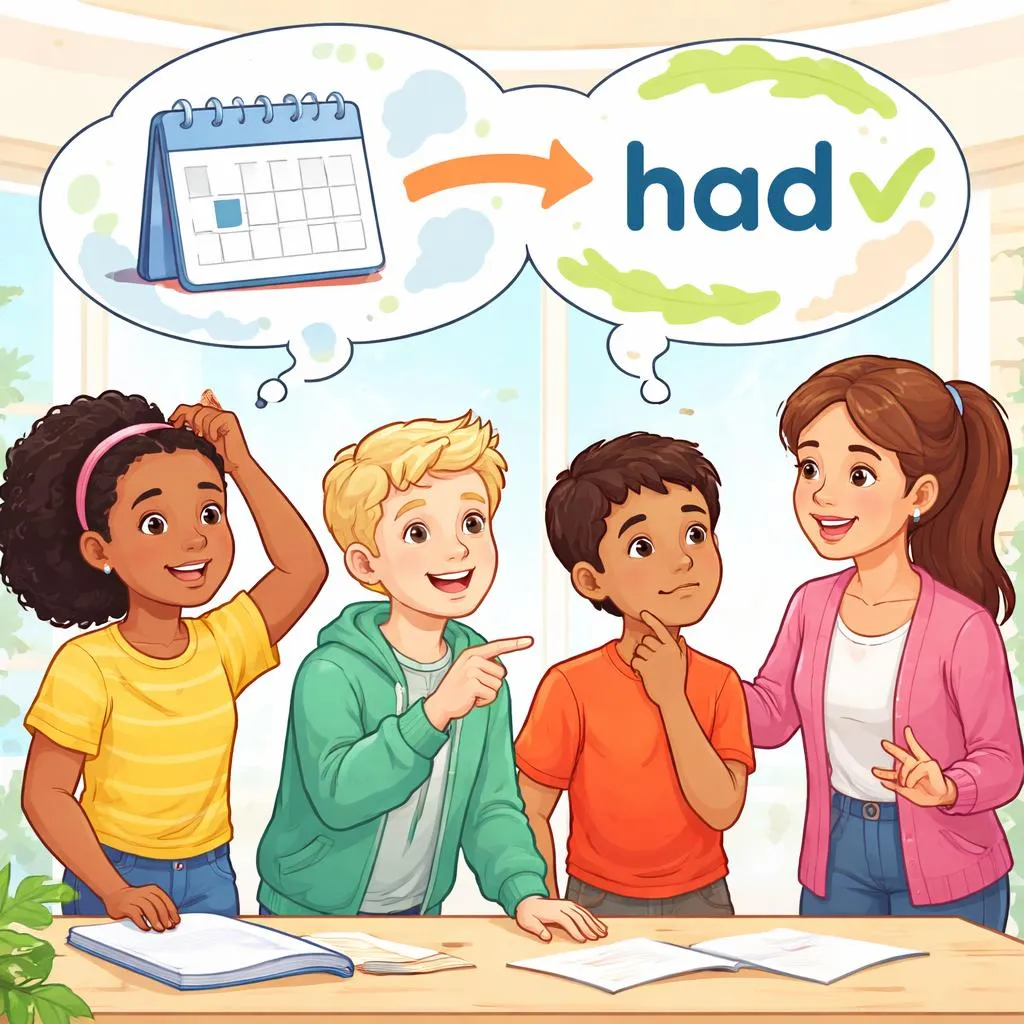
Do Your Students Know How to Form the Past of Have in Everyday Conversation?
The verb "have" appears constantly in English. Children use it to talk about what they own. They use it to describe experiences. They use it as a help ...
Read MoreThe verb "have" appears constantly in English. Children use it to talk about what they own. They use it to describe experiences. They use it as a help ...
Read More
Pronouns are small words with big jobs. They replace nouns in sentences. They keep language from sounding repetitive. Without pronouns, we would say " ...
Read More
Some songs travel through time. They start in one place and spread across the world. "I Been Working on the Railroad" is one of these timeless tunes. ...
Read More
Time is a concept that shapes every child's world. They wake up, come to school, go home, and wait for the weekend. Understanding the days of the week ...
Read More
Hand clapping games have entertained children for generations. They pass from playground to playground, from older siblings to younger ones. "Miss Mar ...
Read More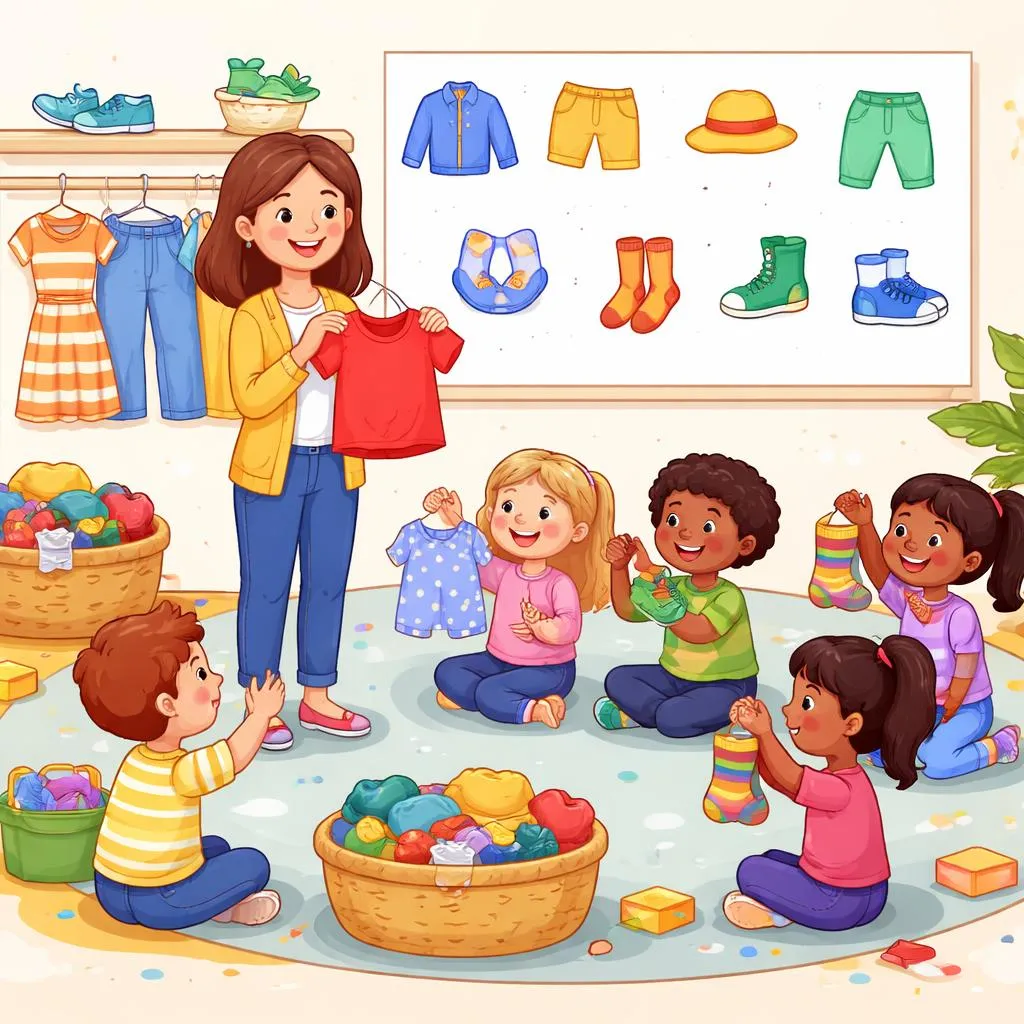
Clothing surrounds children every day. They put on shirts in the morning. They zip jackets before going outside. They notice what friends wear to scho ...
Read More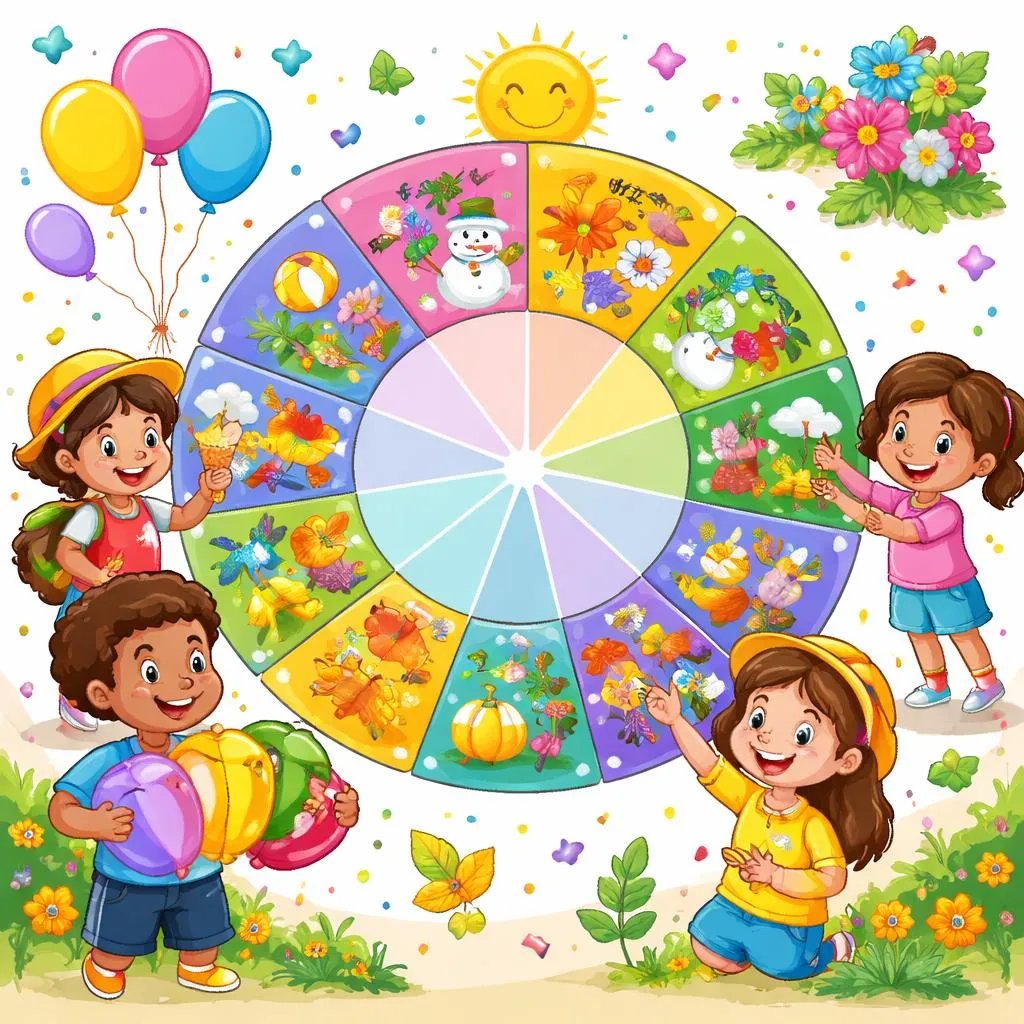
Time moves forward in a steady rhythm. The months mark this passage. Each month brings new weather, new holidays, and new experiences. Learning the 12 ...
Read More
The verb "can" appears constantly in classroom language. Children use it to ask for permission. They use it to talk about what they are able to do. Bu ...
Read More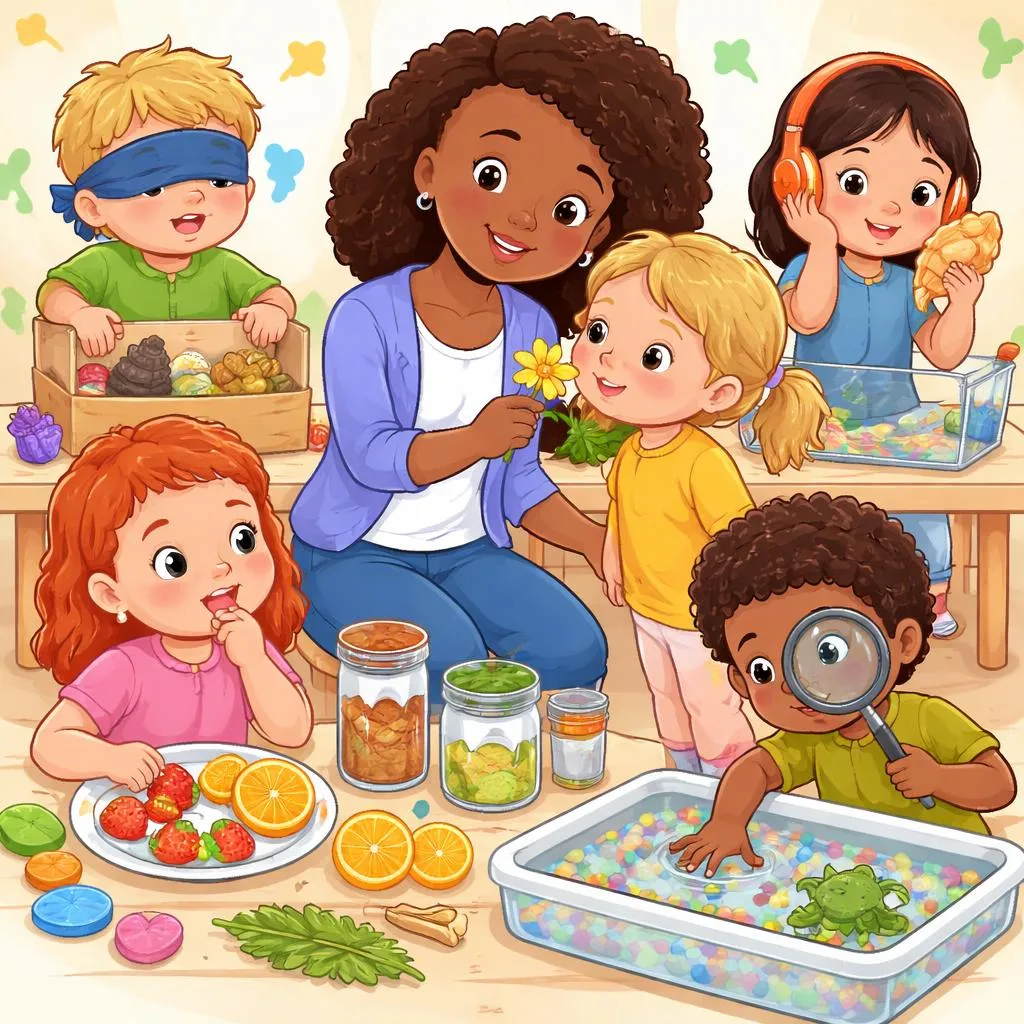
Young children explore the world through their bodies. They touch everything. They put things in their mouths. They listen to every sound. This natura ...
Read More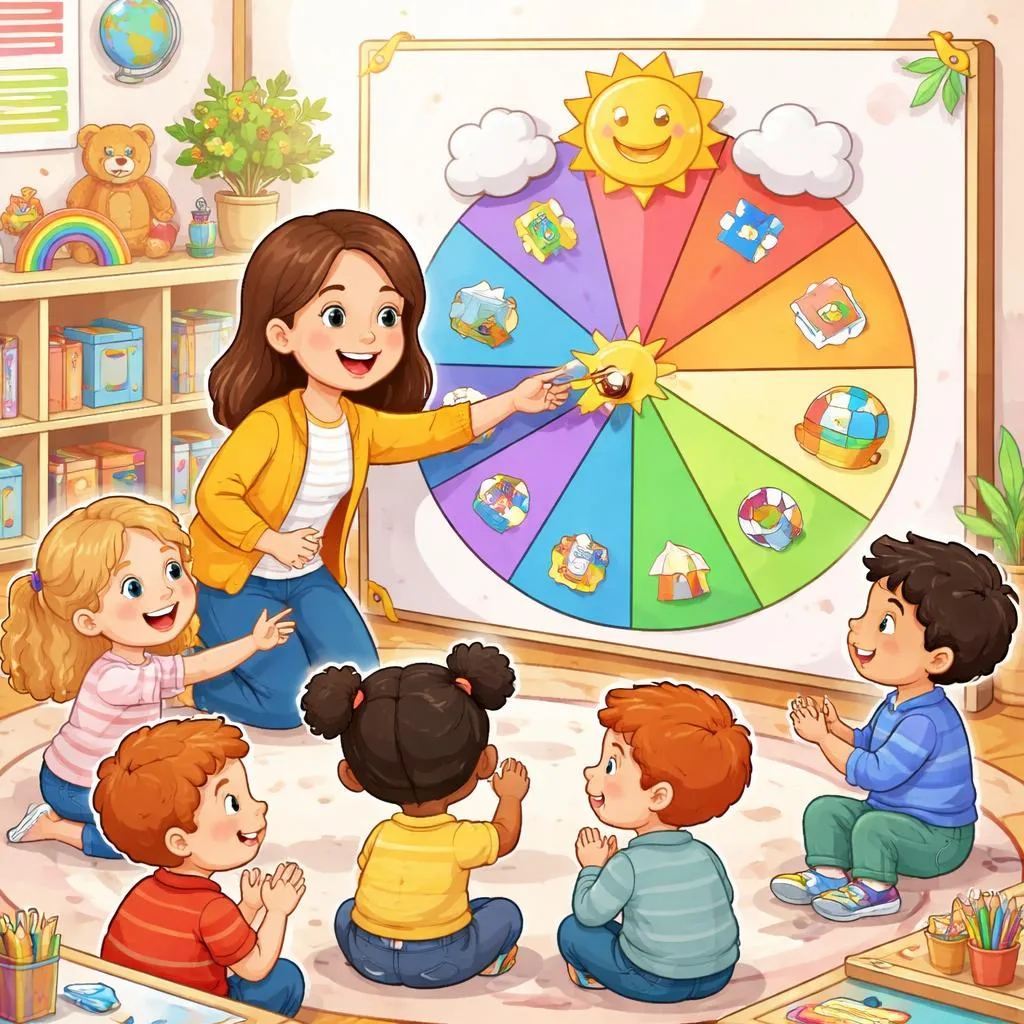
Time is a concept that surrounds children every day. They wake up, come to school, go home, and look forward to the weekend. Learning the name of week ...
Read More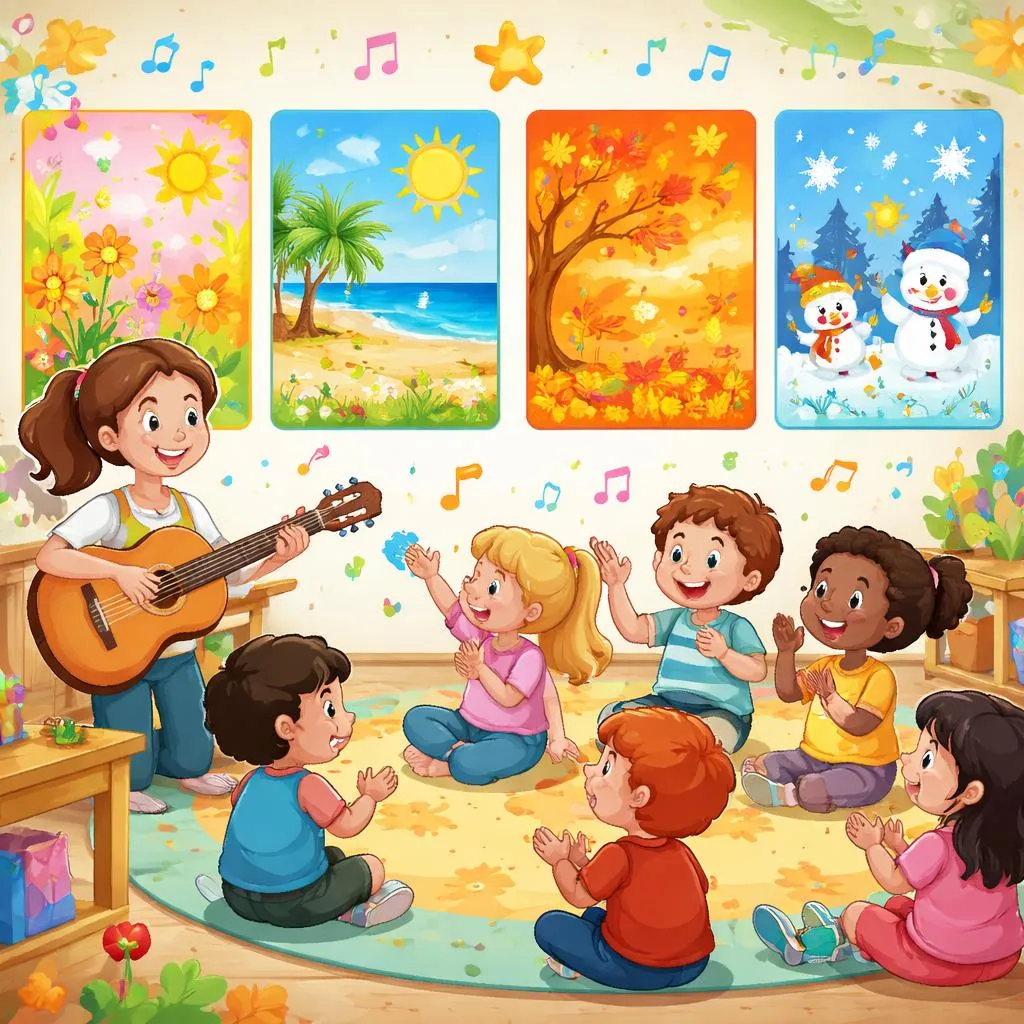
The changing seasons offer a wonderful backdrop for language learning. Each season brings new weather, new activities, and new words to discover. A se ...
Read More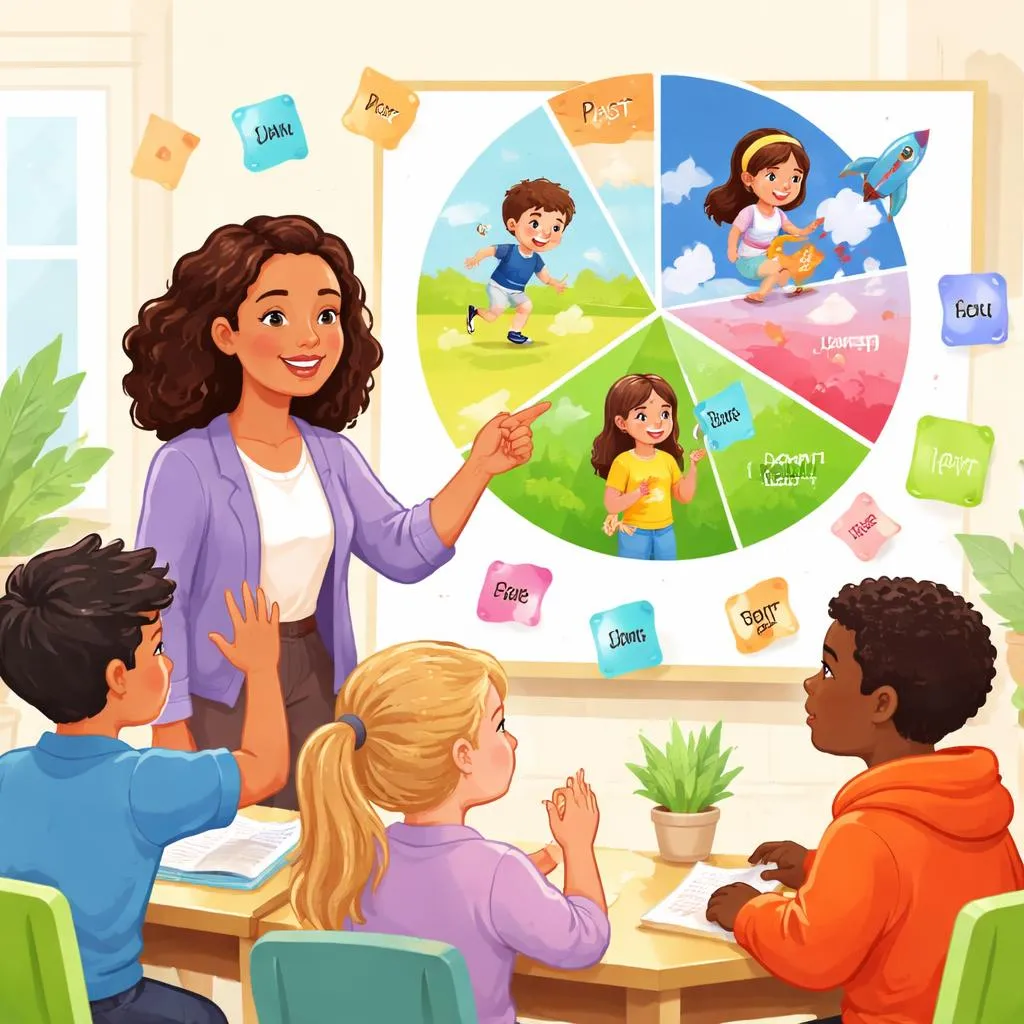
The verb "have" appears everywhere in English. Children hear it constantly in the classroom. "Do you have a pencil?" "I have a question." "We have fin ...
Read More