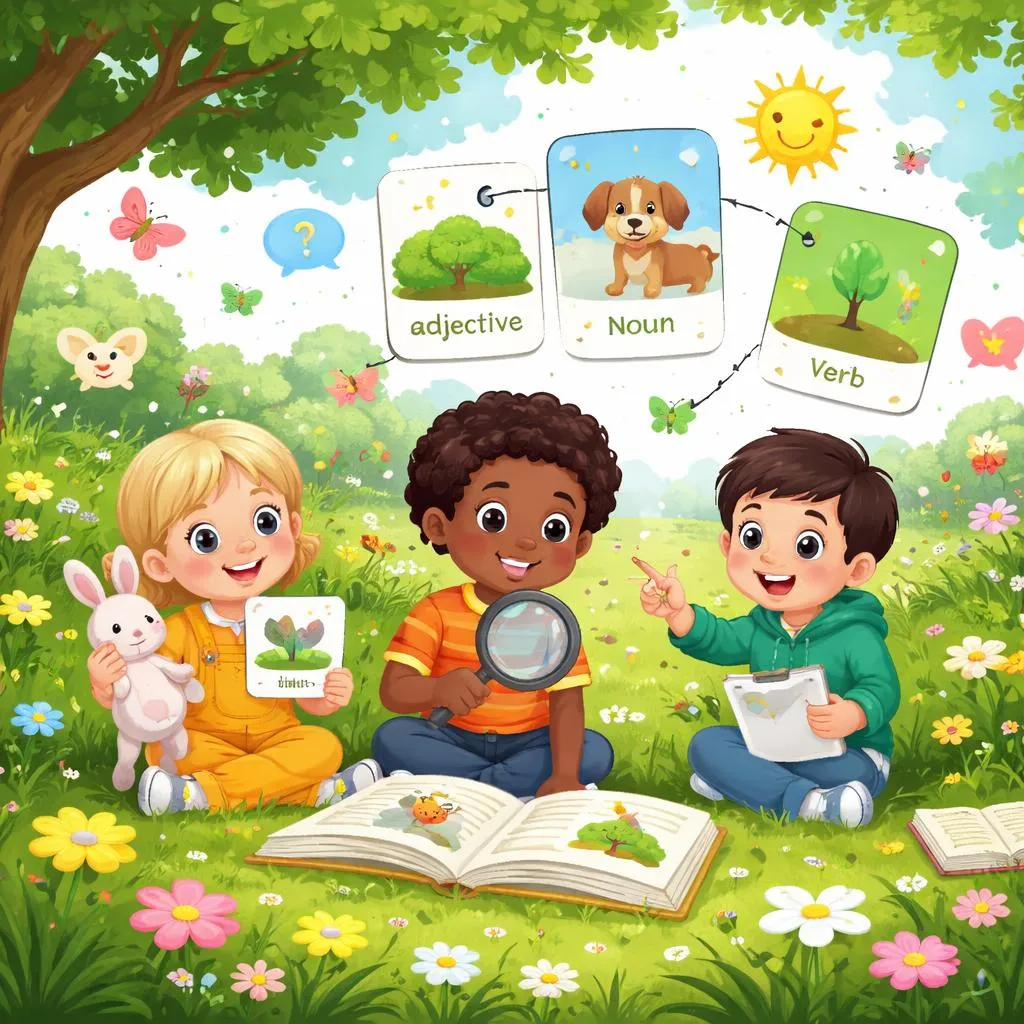
How Can the Phrase "Green Grass Grew" Help Children Learn English Grammar?
Hello, everyone Today we look at a very special phrase. It is simple. It is beautiful. It teaches us so much about English. The phrase is "green grass ...
Read MoreHello, everyone Today we look at a very special phrase. It is simple. It is beautiful. It teaches us so much about English. The phrase is "green grass ...
Read More
Hello, everyone Today we learn with our hands. We learn with our fingers. We learn a very special song. It is called "Daddy Finger, Mommy Finger".
Read More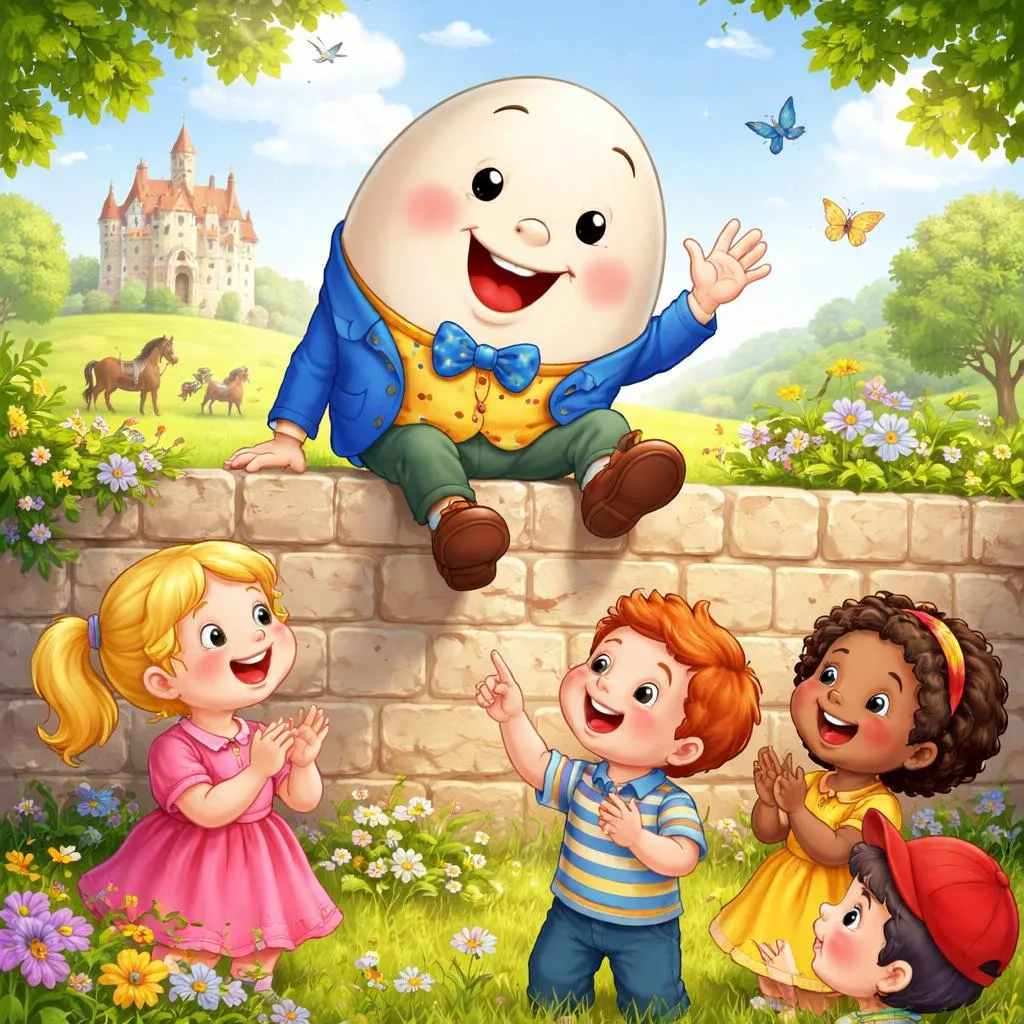
Hello, everyone Today we meet a very famous character. He is an egg. He sits on a wall. He has a great fall. His name is Humpty Dumpty.
Read More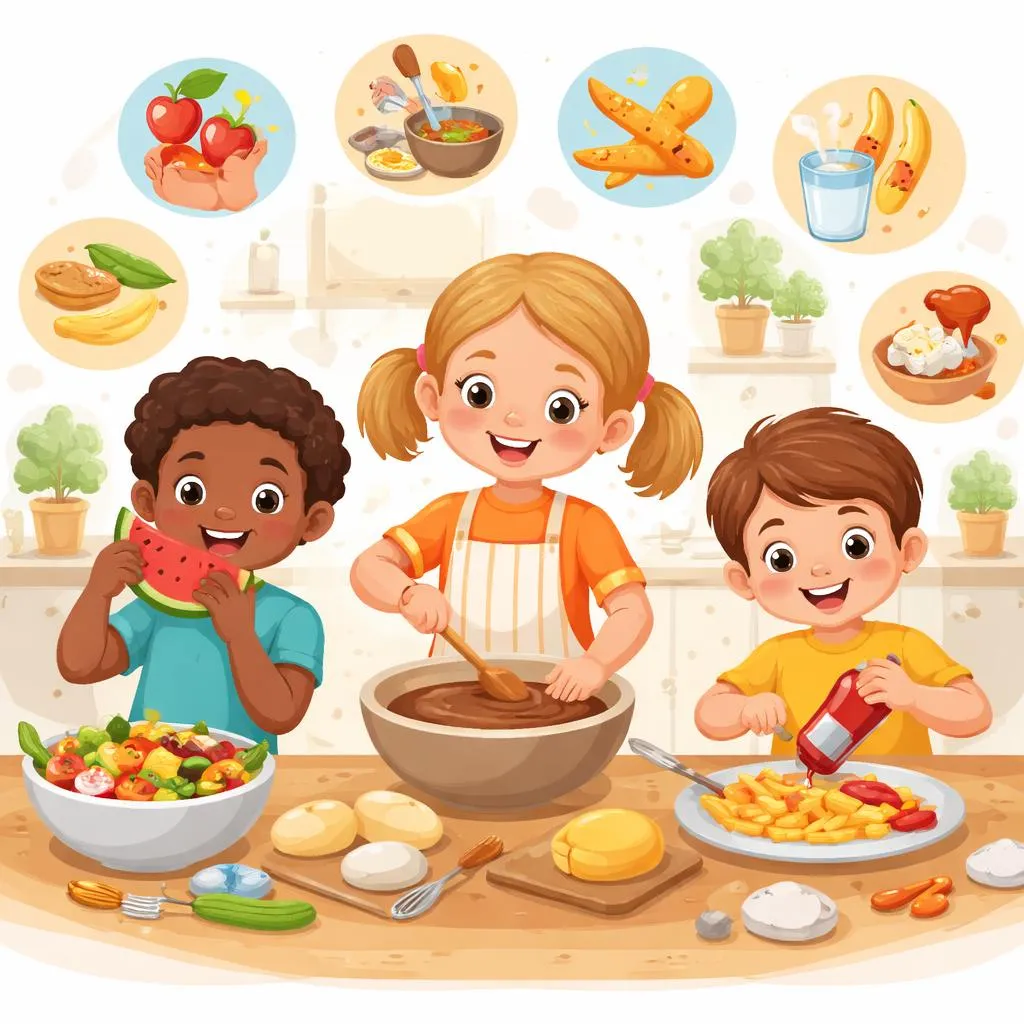
Hello, everyone Welcome to our special English learning kitchen. Today, we are not just making food. We are cooking up some delicious English skills.
Read More
What Does “Interesting” Mean? “Interesting” is a word we use to describe something that grabs our attention. It shows that something is fun, exciting, ...
Read More
What is Italian Pronunciation? Italian pronunciation is how we say words in the Italian language. It’s important to understand the sounds of letters a ...
Read More
What is an Adverb? An adverb is a word that describes a verb, an adjective, or another adverb. It tells us how, when, where, or to what extent somethi ...
Read More
Saying “hi” is a simple way to greet someone. But there are many other ways to say “hi” in English. Each greeting can sound different depending on the ...
Read More
Are Ukrainian and Russian the Same Language? Ukrainian and Russian are different languages, though they share similarities. Both belong to the East Sl ...
Read More
What is Present Tense? Present tense is used to talk about actions happening right now or regularly. It shows what is happening in the present. For ex ...
Read More
German sentence structure can seem different from English. The order of words in a sentence affects its meaning. Proper word order helps express clear ...
Read More
What is the Japanese Word for “No”? The word for “no” in Japanese is “いいえ” iie. It is used to express disagreement, refusal, or negation. For example, ...
Read More