
What is this topic about?
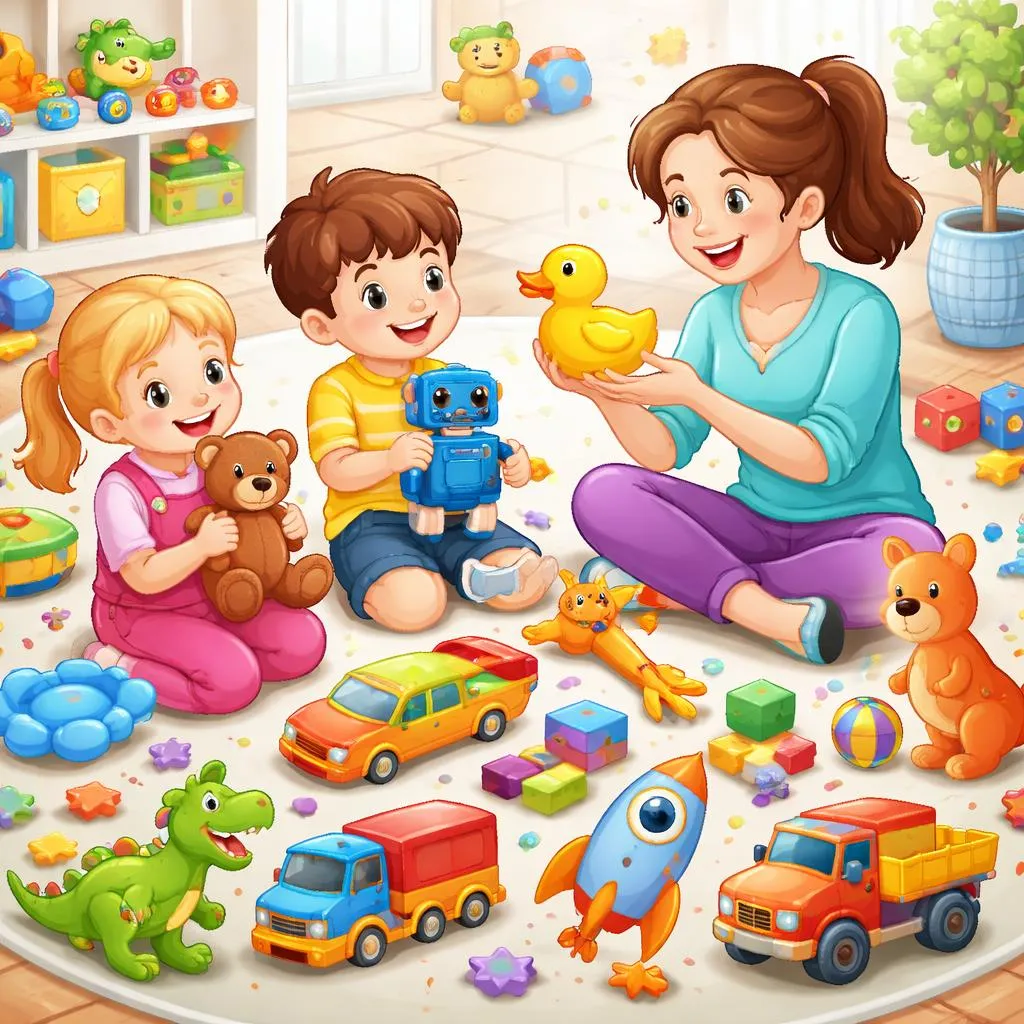
Let's dive into a world of fun and learning. Exploring the names of toys is about connecting the joy of play with the power of language. When children learn the names of toys, they gain the vocabulary to share their interests, make requests, and describe their favorite activities.
This topic moves beyond simple memorization. It helps categorize objects, understand their functions, and express creativity. Learning the names of toys builds a practical vocabulary foundation that children use every day. It turns playtime into a rich opportunity for language development and confident self-expression.
Meaning and explanation
Why focus on the names of toys? Toys are central to a child's world. Knowing their English names empowers children to communicate about their play. It helps them understand stories, follow instructions in games, and connect with peers in English-speaking environments.
Each toy name is a gateway to related words. Learning "doll" introduces words like "hair," "dress," and "cuddle." Learning "ball" brings in "bounce," "throw," and "catch." This thematic expansion helps vocabulary grow in meaningful clusters. It shows how words connect to actions and descriptions, building a more robust language framework.
Categories or lists
Organizing the names of toys into categories makes learning systematic and fun. We can group toys by type: Vehicles (car, truck, train, plane), Dolls & Action Figures (doll, teddy bear, superhero), Building Toys (blocks, LEGO, puzzle), Outdoor Toys (bike, ball, jump rope, kite).
Another approach is by material: Plush Toys (teddy bear, stuffed animal), Plastic Toys (many vehicles, blocks), Wooden Toys (blocks, train set). We can also categorize by play pattern: Pretend Play (tea set, doctor kit), Creative Play (crayons, play dough), Active Play (ball, scooter). These categories help children organize new words logically.
Daily life examples
The names of toys appear constantly in daily life. During playdates, children say, "Let's play with the blocks" or "Can I have the red car?" At tidy-up time, parents might say, "Please put the dolls on the shelf." In stores, children see signs with toy names.
Watching cartoons or reading picture books provides more examples. Characters play with specific toys, and narrators name them. Even simple routines like choosing a toy for bath time or bed involve using these words. These real-life connections make the vocabulary relevant and immediately useful, reinforcing learning through natural repetition.
Printable flashcards
Printable flashcards are excellent tools for mastering the names of toys. Create cards with a clear, colorful photo of a toy on one side. On the other side, write the name in large, clear print. For younger learners, include the starting letter: "B is for Ball."
Use these cards for various games. Play memory match with two identical sets. Sort them into categories like "Things that roll" or "Toys for outside." You can also play "Guess the Toy" by giving clues before showing the picture. Flashcards transform vocabulary practice into an interactive game, building word recognition through visual repetition.
Learning activities and games
Make learning active with toy-based games. "Toy Store" is a fantastic role-playing activity. Set up a pretend store with toys labeled with their names. Give children play money and shopping lists with pictures or words. They practice saying, "I would like the kite, please." This uses vocabulary in a realistic, engaging context.
Another great activity is "Toy Sorting Challenge." Place a large assortment of toys in the center of the room. Ask children to sort them into different groups: by color, by size, by type. As they sort, they say each toy's name. This builds categorization skills and vocabulary simultaneously. For a physical game, play "Toy Treasure Hunt." Hide toys around the room and give clues using their names: "Find something that bounces" (ball) or "Find something you can build with" (blocks).
The power of songs and stories
Songs and stories naturally reinforce the names of toys. A song like "My Teddy Bear" or "I Have a Little Dolly" introduces toy vocabulary through melody and repetition. The predictable structure makes it easy for children to sing along, building confidence with the words.
Reading picture books about toys is equally powerful. Books like "Corduroy" (about a teddy bear) or "The Little Engine That Could" (about a train) put toy names into narrative context. After reading, ask questions: "What toy did the girl have?" or "Can you find all the balls in this picture?" This connects vocabulary to comprehension and discussion.
Vocabulary building strategies
Beyond simple naming, we can deepen vocabulary related to toys. Teach action verbs that go with toys: roll the car, build with blocks, cuddle the teddy bear, throw the ball. Introduce descriptive adjectives: a soft teddy bear, a fast car, colorful blocks.
Practice possessive forms: "This is my doll." "That is your truck." Use prepositions to describe location: "The ball is under the table." "Put the blocks in the box." This approach moves from isolated words to useful phrases, giving children tools for fuller expression about their play.
Printable extension activities
Create worksheets that go beyond flashcards. A "Toy Matching" sheet can have pictures in one column and names in another for children to connect with lines. A "Color the Toys" page can have outlined drawings of toys with instructions like "Color the ball red" or "Color the kite yellow and blue."
For early writing practice, provide "Toy Word Tracing" pages. Each page features a large, dotted outline of a toy name (like "DOLL") for children to trace, with a picture for reference. These activities blend fine motor skill development with vocabulary reinforcement, catering to different learning styles.
Creating a language-rich play environment
The most effective learning happens when vocabulary is integrated naturally. Label toy bins with pictures and words. During play, use rich descriptions: "You're building a tall tower with those blue blocks." Ask open-ended questions: "What should we name your new teddy bear?" or "Where will the train go next?"
Encourage children to narrate their play: "My car is driving to the garage." This simple storytelling builds language fluency. When conflicts arise over toys, guide children to use their words: "Can I have a turn with the truck?" These daily interactions turn play spaces into vibrant language learning labs.
Learning the names of toys creates a bridge between children's natural interests and language development. By approaching this vocabulary through play, categorization, and daily conversation, we make English learning feel organic and enjoyable. Each new toy word mastered gives children greater confidence to explore, describe, and share their world. This foundation in concrete, familiar vocabulary prepares them for more complex language concepts, all while celebrating the universal language of play that connects children everywhere.