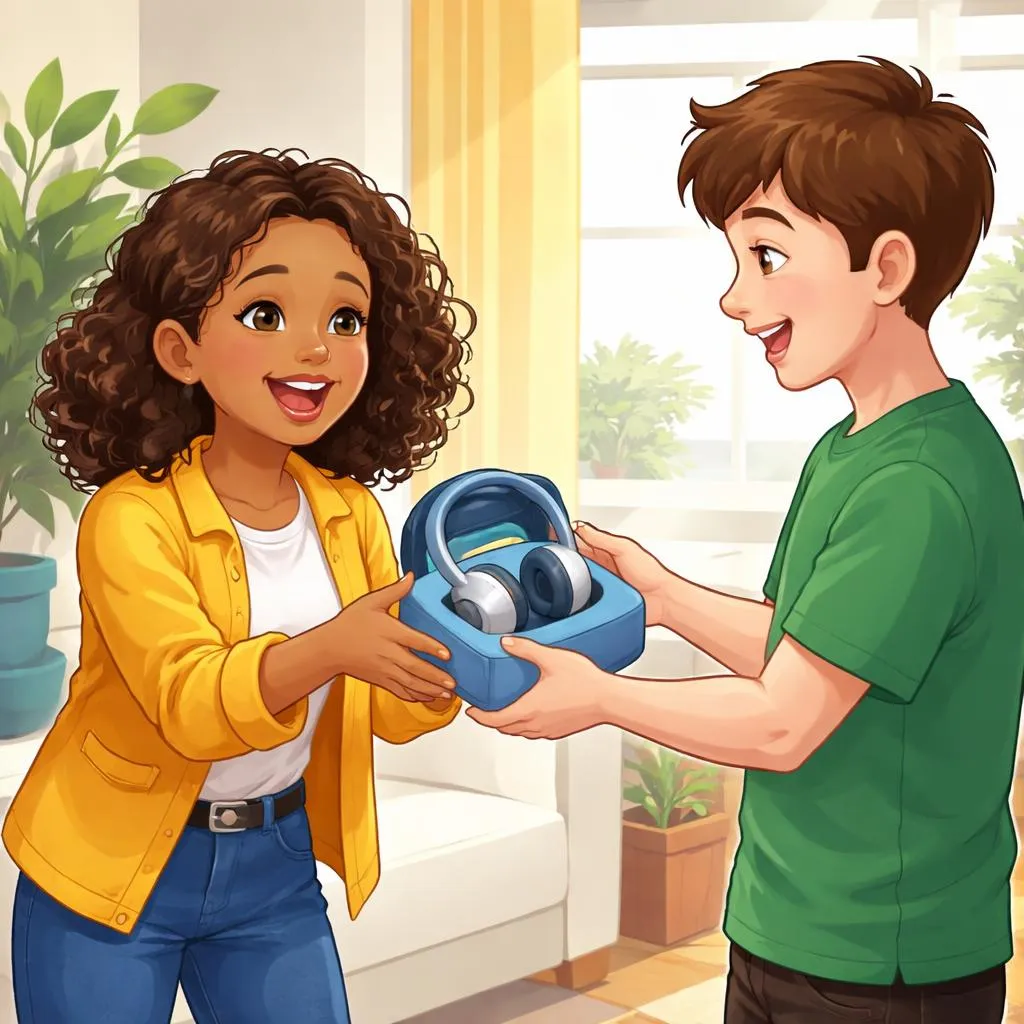

What Do These Expressions Mean? “That's yours” and “that belongs to you” both transfer ownership to someone. They tell a person that an item is their property. Children hear these words when receiving gifts or belongings. Both show respect for what belongs to others.
“That's yours” means this thing is your possession. It is short and direct. A parent says it when giving a child a new toy. It feels warm and clear.
“That belongs to you” means this item is your property. It sounds more formal and explanatory. A teacher says it when returning a lost item. It feels official and kind.
These expressions seem very similar. Both say “this is not mine. It is yours.” Both acknowledge ownership. But one is everyday while the other is more careful.
What's the Difference? One is casual. The other is formal. “That's yours” works for friends and family. It is quick and natural. Children use it easily.
“That belongs to you” works for teaching or official moments. It sounds like a rule or a lesson. A child might hear it from a teacher. It is less common in daily play.
Think of a child handing back a pencil. “That's yours” feels right. “That belongs to you” feels like a classroom rule. Both are correct. One is more natural.
One is for returning. The other is for explaining. “That's yours” hands something over. “That belongs to you” explains a concept. Use the first for action. Use the second for teaching.
Also, “yours” is a possessive pronoun. “Belongs to you” is a verb phrase. Yours is shorter. Belongs to you is slower. Match the length to the moment.
When Do We Use Each One? Use “that's yours” for most situations. Use it when giving back a toy, snack, or book. Use it when someone asks “whose is this?” It fits daily life.
Examples at home: “You dropped your hat. That's yours.” “The blue cup is yours. That's yours.” “That's yours. I found it under the couch.”
Use “that belongs to you” for teaching or formal moments. Use it when explaining ownership to a young child. Use it when returning something important. It fits lessons.
Examples for teaching: “This jacket belongs to you. Keep it safe.” “The red crayon belongs to you. The blue one is mine.” “That book belongs to you. Write your name inside.”
Children need both phrases. “That's yours” is quick and kind. “That belongs to you” teaches respect for property. One for action. One for understanding.
Example Sentences for Kids That's yours: “That's yours. You can open it now.” “I don't want this sticker. That's yours.” “That's yours. I have my own.”
That belongs to you: “This backpack belongs to you. Take good care of it.” “That toy belongs to you. You decide who plays with it.” “The money in this envelope belongs to you.”
Notice “that's yours” gives an item back fast. “That belongs to you” gives a lesson about ownership. One is a gift. One is a teaching moment. Both honor what is yours.
Parents can use both with children. Handing back a sock: “that's yours.” Explaining a new gift: “this belongs to you now.” Children learn different tones for different moments.
Common Mistakes to Avoid Some children say “that belongs to you” for everything. It sounds too formal. Friends may think they are being strange. Use “that's yours” for daily returns.
Wrong: “That belongs to you” (handing back a crayon). Right: “That's yours. Here you go.”
Another mistake: forgetting to say “please” or “thank you.” Ownership words need politeness around them. “That's yours, please take it” is kinder. Manners matter.
Wrong: “That's yours.” (tosses item) Right: “That's yours. Here you go, please.”
Some learners use “that's yours” when they mean “that's mine.” Be careful. Switching words confuses everyone. Yours means the other person. Mine means you. Practice the difference.
Also avoid using “belongs to you” for obvious things. A child knows their own shoe. Say “that's yours” or just “here.” Keep language natural.
Easy Memory Tips Think of “that's yours” as a hand passing a ball. Quick. Friendly. Natural. You give. They catch. Action words.
Think of “that belongs to you” as a teacher pointing. Slow. Careful. Explanatory. You teach. They learn. Lesson words.
Another trick: remember the feeling. “Yours” feels like handing over a cookie. “Belongs to you” feels like explaining a rule. Cookie gets “yours.” Rule gets “belongs to you.”
Parents can say: “Yours for quick. Belongs for the ownership trick.” That means daily giving gets “that's yours.” Explaining ownership gets “belongs to you.”
Practice at clean-up time. Hand a toy to your child: “that's yours.” Point to their shelf: “these toys belong to you.” Two ways to say the same love.
Quick Practice Time Let us try a small exercise. Choose the better phrase for each situation.
You find your friend's glove on the ground. You pick it up to return it. a) “That belongs to you. I found it.” b) “That's yours. You dropped it.”
You are teaching your little sister which cup is hers at dinner. a) “That's yours if you want it.” b) “The cup with the flower belongs to you. The plain one is mine.”
Answers: 1 – b. A quick return fits the friendly “that's yours.” 2 – b. A teaching moment fits the patient “belongs to you.”
Fill in the blank: “When I give my brother back his video game, I say ______.” (“That's yours” works for the hand-off moment.)
One more: “When I explain to a visiting friend which bed they will sleep in, I say ______.” (“That belongs to you” fits a kind, careful explanation.)
Giving back what belongs to others is respect. “That's yours” is quick respect. “That belongs to you” is deep respect. Both build trust. Both build kindness. Use them both every day.
Wrap-up “That's yours” hands back items quickly and warmly. “That belongs to you” explains ownership patiently. Use “yours” for daily returns. Use “belongs to you” for teaching moments. Both phrases honor other people's things. Respecting what belongs to others is a cornerstone of kindness.