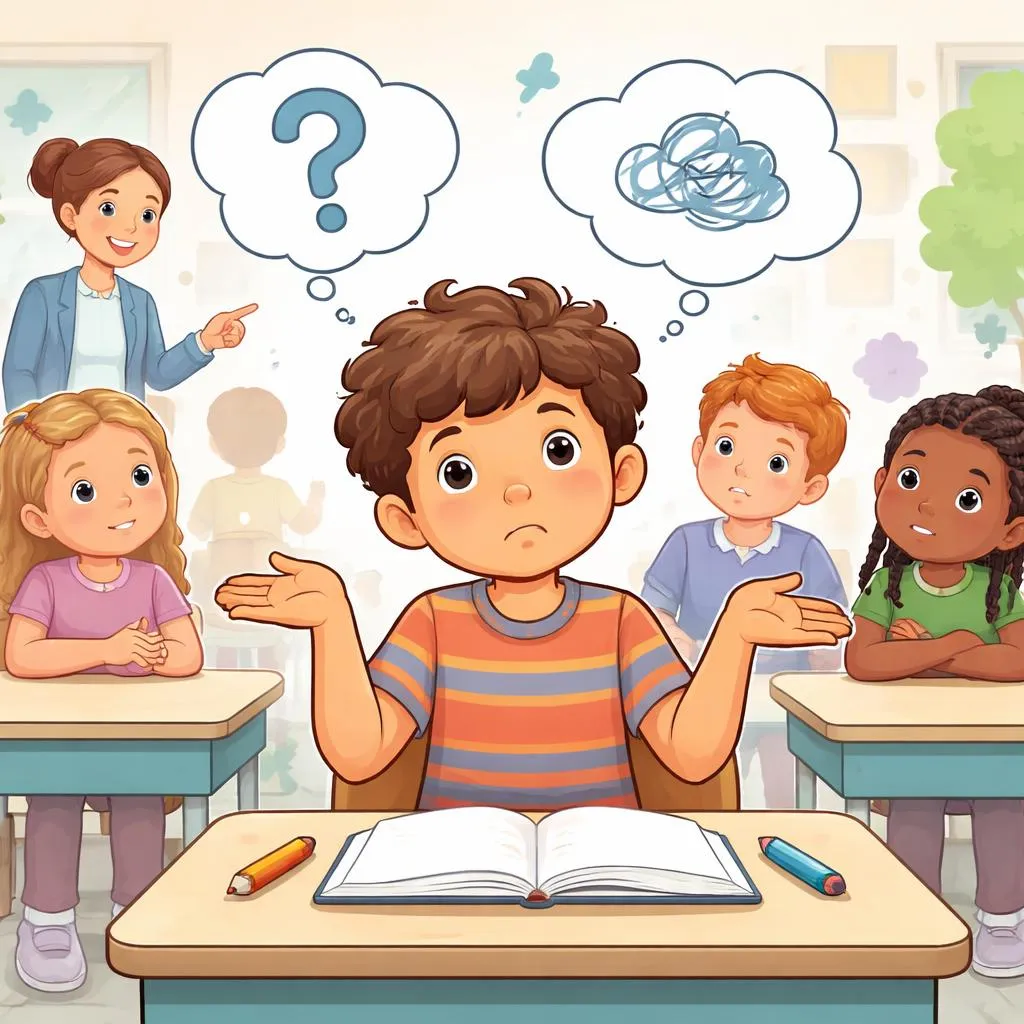

What Do These Expressions Mean? “I'm not sure” and “I'm uncertain” both express a lack of confidence. They tell someone you do not have a firm answer in your mind. Children say these words when they do not know something. Both show honesty and humility.
“I'm not sure” means I do not have a confident answer. It is common and natural. A child says it when asked a tricky question. It feels everyday and soft.
“I'm uncertain” means my mind does not have clarity. It sounds more formal and academic. An adult says it in a meeting or a report. It feels heavier and more serious.
These expressions seem very similar. Both say “I do not know for sure.” Both keep you from guessing wrong. But one feels child-friendly while the other feels grown-up.
What's the Difference? One is casual. The other is formal. “I'm not sure” works for children and families. It fits classroom answers and daily questions. It never sounds strange.
“I'm uncertain” works for writing or serious talks. It sounds like a scientist or a lawyer. A child saying it sounds like they are copying an adult. It is not wrong, but it is unusual.
Think of a teacher asking a math question. “I'm not sure” sounds honest and appropriate. “I'm uncertain” sounds like a textbook. Both say the same thing. One fits a child's voice.
One is more humble. The other is more neutral. “I'm not sure” sounds a little sorry. “I'm uncertain” sounds like a fact about your brain. Feelings live in “not sure.” Facts live in “uncertain.”
Also, “I'm not sure” works for feelings and facts. “I'm not sure if I like this” (feeling). “I'm uncertain” rarely describes feelings. Use “not sure” for everything.
When Do We Use Each One? Use “I'm not sure” for most situations. Use it at school, at home, and with friends. Use it when you need more time or help. It fits a child's life perfectly.
Examples at school: “I'm not sure about the answer to number three.” “I'm not sure if I can come to the party.” “I'm not sure how to tie this knot.”
Use “I'm uncertain” for formal or written English. Use it in essays or important letters. Use it when you want to sound very careful. Children almost never need this phrase.
Examples for adults: “I'm uncertain about the direction of this project.” “The scientists remain uncertain about the results.” “I'm uncertain whether to accept the offer.”
Most children will live happily without “I'm uncertain.” Teach them to understand it. But teach them to say “I'm not sure.” That phrase will serve them every day.
Example Sentences for Kids I'm not sure: “I'm not sure what time the movie starts.” “I'm not sure if I can finish my whole dinner.” “I'm not sure how to spell that word.”
I'm uncertain: “I'm uncertain about the answer to this test question.” (very formal) “I'm uncertain whether to bring a jacket.” (grown-up talk) “The weather report says uncertain skies.” (weather language)
Notice “I'm not sure” sounds like a real child. “I'm uncertain” sounds like a news report. Let your child sound like a child. Natural English grows from natural use.
Parents can say “I'm not sure” all the time. Save “uncertain” for vocabulary lessons. Both are correct. One is warm. One is cold.
Common Mistakes to Avoid Some children say “I'm uncertain” to sound smart. It backfires. It sounds strange. Friends might laugh. Stick with “I'm not sure” for real life.
Wrong: “I'm uncertain about lunch options.” Right: “I'm not sure what I want for lunch.”
Another mistake: saying “I'm not sure” when you are sure. That is lying. Do not pretend to be unsure. Honesty means matching your words to your mind.
Wrong: “I'm not sure” (but you know the answer). Right: “I know the answer. It is 10.”
Some learners forget to ask for help after saying “I'm not sure.” Do not stop there. Add “can you help me?” That turns doubt into learning.
Wrong: “I'm not sure.” (silence) Right: “I'm not sure. Can you explain it again?”
Also avoid saying “I'm uncertain” about feelings. “I'm uncertain if I like broccoli” sounds odd. Say “I'm not sure if I like broccoli.” Feelings get the softer phrase.
Easy Memory Tips Think of “I'm not sure” as a question mark. The question mark hangs in the air. You need more information. Friendly and open.
Think of “I'm uncertain” as a gray cloud. The cloud covers the sun. Everything looks the same. Serious and heavy.
Another trick: remember the length. “Not sure” has two short words. “Uncertain” has three longer syllables. Short for daily talk. Long for formal writing. Match the word to the moment.
Parents can say: “Not sure for real talk. Uncertain for formal walk.” That means at home and school, say “not sure.” In very grown-up writing, maybe “uncertain.”
Practice at dinner. Ask a hard question. Child says “I'm not sure.” Then say “that is perfect English.” No need for “uncertain.” Keep it simple and true.
Quick Practice Time Let us try a small exercise. Choose the better phrase for each situation.
The teacher asks a question you did not study for. You want to be honest. a) “I'm uncertain about the answer.” b) “I'm not sure. I didn't study that part.”
You are writing a school report about a science experiment that had unclear results. a) “I'm not sure about the results.” b) “The results remain uncertain.”
Answers: 1 – b. Speaking in class needs natural “I'm not sure.” 2 – b. Formal writing can use “uncertain.”
Fill in the blank: “When my mom asks what I want for breakfast, I say ______.” (“I'm not sure” fits daily, friendly choices.)
One more: “When a scientist writes about unpredictable weather, they say ______.” (“Uncertain” fits science and formal reports.)
Being unsure is normal. Everyone feels doubt sometimes. Saying “I'm not sure” takes courage. It opens the door to learning. Never be ashamed of not knowing. Be proud of being honest.
Wrap-up “I'm not sure” expresses friendly doubt for daily life. “I'm uncertain” expresses formal doubt for writing or serious talks. Use “I'm not sure” at school and home. Save “uncertain” for grown-up writing. Honest doubt is better than fake confidence. Saying “I don't know” is the first step to knowing.