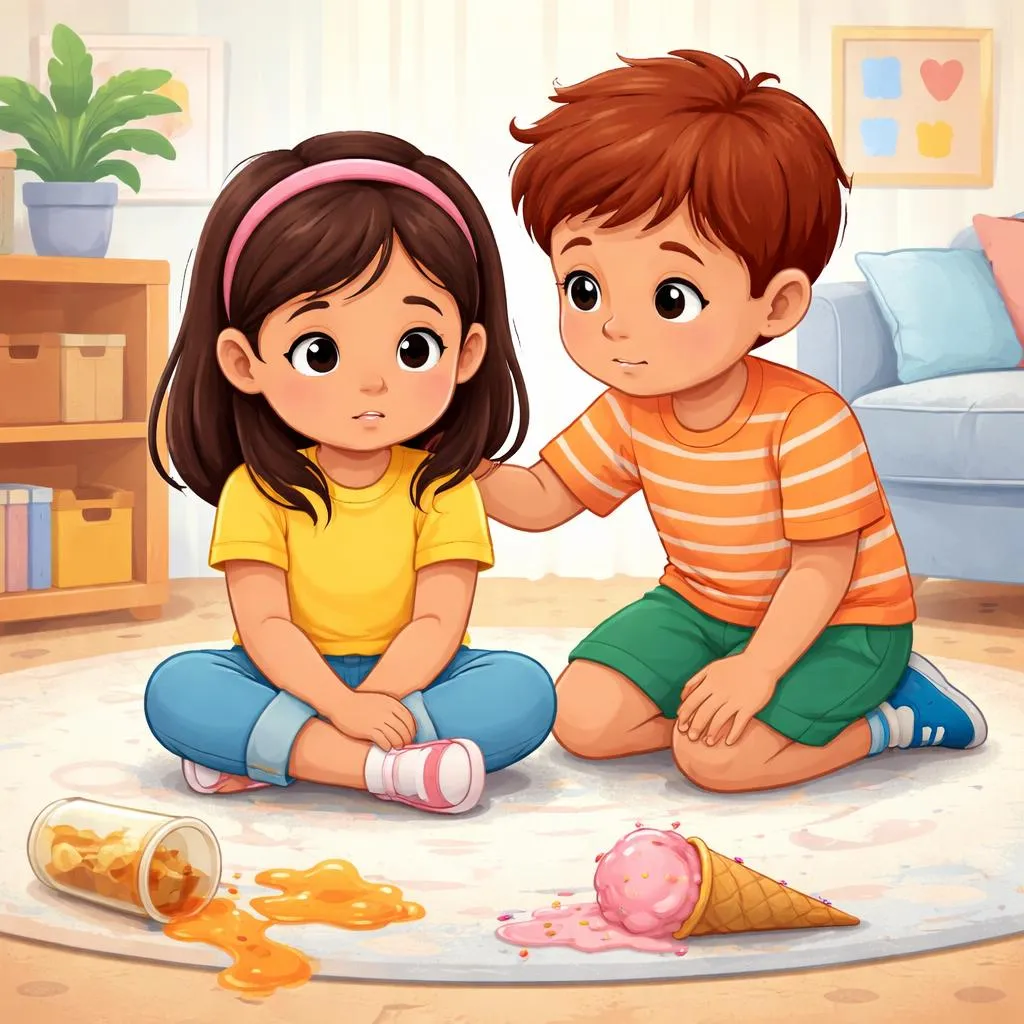

What Do These Expressions Mean? “That's sad” and “that's unfortunate” both react to bad news. They tell someone you recognize that something is not good. Children say these words when hearing about disappointments or losses. Both show sympathy.
“That's sad” means this event makes me feel sorrow. It is emotional and direct. A child says it when a friend loses a pet. It shares a feeling.
“That's unfortunate” means this event is unlucky or poorly timed. It sounds more distant and factual. An adult says it when a flight is canceled. It observes bad luck without deep emotion.
These expressions seem very similar. Both acknowledge something bad happened. Both can comfort. But one comes from the heart while the other comes from the mind.
What's the Difference? One is emotional. The other is logical. “That's sad” shares a feeling of sorrow. Your face shows it. Your voice softens. It connects heart to heart.
“That's unfortunate” states a fact about luck. It sounds calm and slightly removed. You might shrug. It does not ask for a hug.
Think of a child who lost a library book. “That's sad” shares the feeling. “That's unfortunate” says “that is bad luck.” One feels warm. One feels like a news report.
One is for personal losses. The other is for small inconveniences. “That's sad” fits lost toys, hurt feelings, and goodbyes. “That's unfortunate” fits missed buses, rain on a picnic, or sold-out tickets. Choose based on how much the heart hurts.
Also, “unfortunate” can sound like you do not care deeply. Use it carefully with friends who are really hurting. “That's sad” is almost always kinder.
When Do We Use Each One? Use “that's sad” for emotional losses. Use it for broken toys, sad movies, and hurt feelings. Use it when someone needs comfort. It fits moments that touch the heart.
Examples at home: “That's sad that your goldfish died.” “That's sad that your friend moved away.” “You lost your favorite hat? That's sad.”
Use “that's unfortunate” for small bad luck. Use it for a canceled plan, a wrong turn, or a broken pencil. Use it when no one is truly hurt. It fits daily inconveniences.
Examples for small luck: “That's unfortunate that the store closed early.” “You forgot your lunch? That's unfortunate.” “That's unfortunate that it rained on our walk.”
Children can use both. “That's sad” for real feelings. “That's unfortunate” for small hassles. One comforts. One observes.
Example Sentences for Kids That's sad: “That's sad that your drawing ripped.” “That's sad. I hope you feel better soon.” “That's sad. Can I give you a hug?”
That's unfortunate: “That's unfortunate that we missed the bus.” “The game is sold out? That's unfortunate.” “That's unfortunate that your pencil broke.”
Notice “that's sad” leads to comfort. “That's unfortunate” leads to a plan. One says “I feel with you.” One says “that's too bad.”
Parents can use both with children. “That's sad you lost your bracelet.” (emotional) “That's unfortunate the store didn't have the red one.” (small luck) Children learn to match feeling to word.
Common Mistakes to Avoid Some children say “that's unfortunate” for big losses. That sounds cold. A lost pet is not “unfortunate.” It is sad. Use the emotional word for emotional moments.
Wrong: “That's unfortunate your grandma is sick.” Right: “That's sad your grandma is sick. I'm sorry.”
Another mistake: saying “that's sad” for small things. “That's sad you dropped your napkin” is too dramatic. Save sad for real sadness. Use “unfortunate” or “oh well” for tiny things.
Wrong: “That's sad” (dropped a crayon). Right: “That's unfortunate. Let's pick it up.”
Some learners forget to offer help after “that's sad.” Do not just say the words. Ask “what can I do?” or give a hug. Sadness needs action, not just words.
Wrong: “That's sad.” (walks away) Right: “That's sad. Do you want to talk about it?”
Also avoid saying “that's unfortunate” with a smile. It looks like you do not care. Match your face to your words. Bad news deserves a serious face.
Easy Memory Tips Think of “that's sad” as a drooping flower. The flower needs water. Your heart feels heavy. Emotional and soft.
Think of “that's unfortunate” as a shrug. Shoulders go up. You say “oh well.” Logical and light.
Another trick: remember the first letter. “Sad” has S for “sorrow.” “Unfortunate” has U for “uh-oh.” Sorrow gets “sad.” Uh-oh gets “unfortunate.”
Parents can say: “Sad for heart. Unfortunate for cart.” That means feelings get “sad.” Lost shopping carts or small hassles get “unfortunate.”
Practice at the dinner table. A broken toy: “that's sad.” A spilled drink: “that's unfortunate.” Your child learns the scale of bad news.
Quick Practice Time Let us try a small exercise. Choose the better phrase for each situation.
Your friend's hamster died. They are crying. a) “That's unfortunate about the hamster.” b) “That's sad. I'm really sorry.”
Your family arrives at the beach. It starts to rain. a) “That's sad about the rain.” b) “That's unfortunate. Maybe it will clear up.”
Answers: 1 – b. A death needs the emotional “that's sad.” 2 – b. A weather change fits the lighter “unfortunate.”
Fill in the blank: “When my friend tells me their parents are fighting, I say ______.” (“That's sad” fits emotional family struggles.)
One more: “When I realize I left my water bottle at the park, I say ______.” (“That's unfortunate” fits a small, fixable mistake.)
Bad things happen. How you respond shows your heart. “That's sad” shares tears. “That's unfortunate” shares a sigh. Both are honest. One is closer to the heart.
Wrap-up “That's sad” shares emotional sorrow. “That's unfortunate” notes bad luck or inconvenience. Use “sad” for losses and hurt feelings. Use “unfortunate” for small hassles and bad timing. Both words acknowledge that life is not always easy. Kind words make hard moments softer.