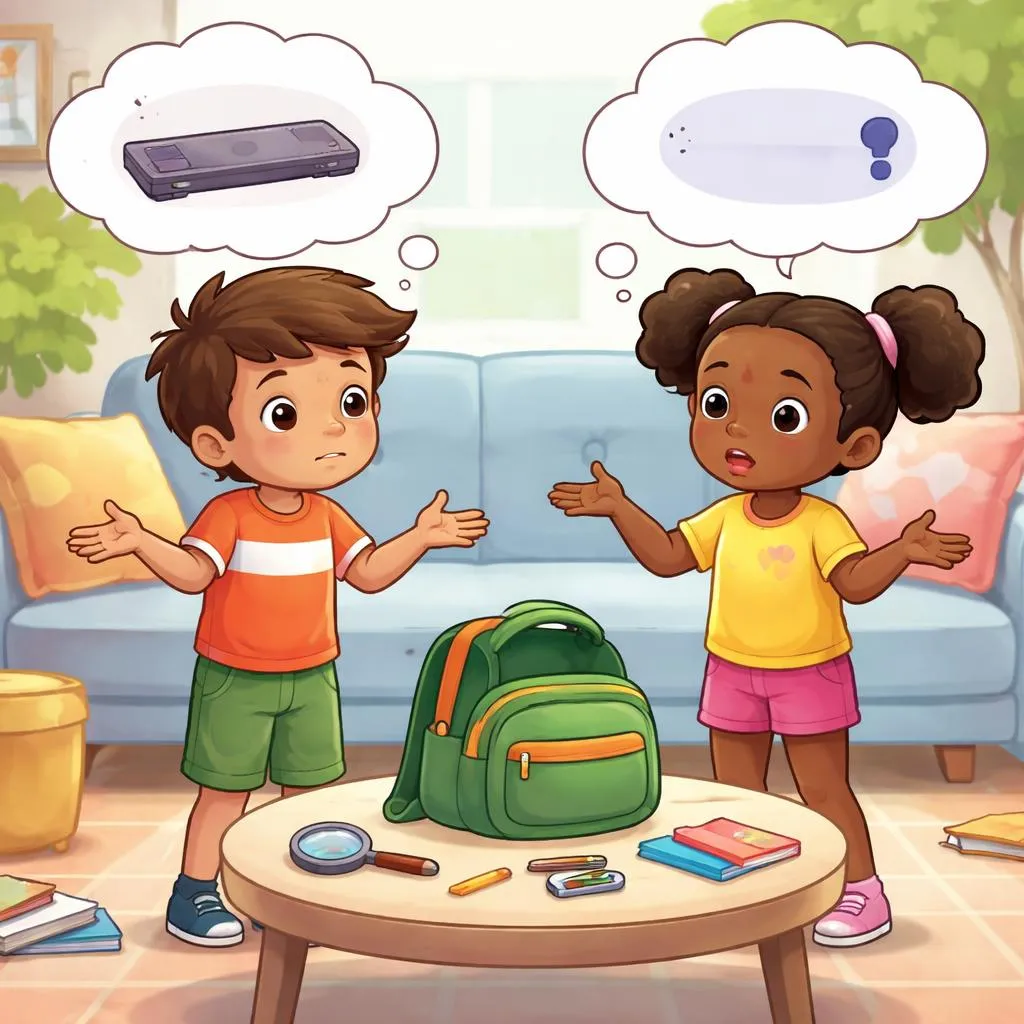

What Do These Expressions Mean? “I don't have it” and “it's not with me” both admit that something is missing. They tell someone that you do not carry or own the item. Children say these words when they lose toys or forget homework. Both ask for understanding.
“I don't have it” means I do not carry or own this thing. It is direct and simple. A child says it when looking for a lost pencil. It states a fact clearly.
“It's not with me” means the item is not in my possession right now. It sounds softer and less final. A child says it when leaving a toy at home. It leaves room for the item to exist elsewhere.
These expressions seem similar. Both say “I cannot give it to you.” Both admit the thing is missing. But one sounds final while one sounds temporary.
What's the Difference? One is more direct. The other is softer. “I don't have it” can sound like “I never have it.” It is a clear statement. It works well for lost things.
“It's not with me” implies “I usually have it, but not now.” It sounds like an explanation, not an ending. It works well for forgotten things. It feels more hopeful.
Think of a child who lost their library book. “I don't have it” sounds like it is gone forever. “It's not with me” sounds like it is somewhere safe. One closes the door. One leaves it open.
One is for things you own. The other is for things you borrow. You own a pencil. “I don't have it” means lost. You borrow a pen. “It's not with me” means forgot.
Also, “it's not with me” is gentler for parents to hear. “I lost it” can be scary. “It's not with me” gives hope. Choose softer words when possible.
When Do We Use Each One? Use “I don't have it” for things you own that are lost. Use it for toys, clothes, or personal items. Use it when you think the thing might be gone for good. It fits honest, direct moments.
Examples at home: “I don't have it. I think I left my hat at school.” “I looked everywhere. I don't have it.” “I don't have it. Can you help me find it?”
Use “it's not with me” for things you forgot or left behind. Use it for homework, borrowed items, or shared things. Use it when you know where the item is. It fits explanatory moments.
Examples for explanation: “It's not with me. I left it in the car.” “My snack is not with me. I forgot it on the kitchen table.” “The library book is not with me. I returned it yesterday.”
Children can use both. “I don't have it” for unknown loss. “It's not with me” for known location. One needs a search. One needs a walk back.
Example Sentences for Kids I don't have it: “I don't have it. I looked in my backpack three times.” “Sorry, I don't have it. Maybe it is under the bed.” “I don't have it. Can we buy a new one?”
It's not with me: “It's not with me. I left it at Grandma's house.” “My homework is not with me. I forgot it on my desk.” “It's not with me right now. I will get it later.”
Notice “I don't have it” states a fact. “It's not with me” states a location mystery. One is an ending. One is a pause. Both are honest. Both are okay.
Parents can respond differently. “I don't have it” gets “let's search together.” “It's not with me” gets “where did you last see it?” Children learn different responses.
Common Mistakes to Avoid Some children say “I don't have it” when they know where it is. That can sound like a lie. If you know the location, say “it's not with me.” Honesty includes where things are.
Wrong: “I don't have it” (knows it is in the car). Right: “It's not with me. It is in the car.”
Another mistake: saying “it's not with me” when you are not sure. If you truly do not know, say “I don't have it. I'm not sure where it is.” Uncertainty is honest.
Wrong: “It's not with me” (but maybe lost forever). Right: “I don't have it. I think I lost it.”
Some learners forget to offer a solution. After saying you do not have it, say what you will do. “I will look” or “I will get it later.” Solutions help everyone.
Also avoid blaming others. “I don't have it because you moved it” starts fights. Take responsibility. Use “I” statements. “I don't know where I put it” is kinder.
Easy Memory Tips Think of “I don't have it” as an empty hand. The hand is open. Nothing is there. You look at the hand. Final and clear.
Think of “it's not with me” as a note on the door. The note says “back soon.” The item is somewhere else but exists. Temporary and hopeful.
Another trick: remember the hope. “Don't have” sounds like gone. “Not with me” sounds like elsewhere. Gone gets “don't have.” Elsewhere gets “not with me.”
Parents can say: “Don't have for lost. Not with me for forgot.” That means truly lost gets “don't have.” Left at home gets “not with me.”
Practice at home. Lost a toy: “I don't have it.” Forgot a snack: “It's not with me.” Two different problems. Two different phrases.
Quick Practice Time Let us try a small exercise. Choose the better phrase for each situation.
Your child cannot find their favorite stuffed animal anywhere. It might be lost forever. a) “It's not with me right now.” b) “I don't have it. I think I lost it.”
Your child forgot their water bottle at home. They know exactly where it is. a) “I don't have it. It is gone.” b) “It's not with me. I left it on the kitchen counter.”
Answers: 1 – b. A possible permanent loss fits “I don't have it.” 2 – b. A known location fits “it's not with me.”
Fill in the blank: “When I cannot find my library book anywhere and I have searched for an hour, I say ______.” (“I don't have it” fits unknown, frustrating loss.)
One more: “When I realize I left my jacket at school but I know which hook it is on, I say ______.” (“It's not with me” fits a known, fixable forgetting.)
Losing things happens. “I don't have it” admits loss. “It's not with me” admits absence. Both are honest. Both lead to solutions. Teaching your child both builds trust.
Wrap-up “I don't have it” admits an item is missing, possibly forever. “It's not with me” says the item is elsewhere, often known. Use “don't have” for unknown loss. Use “not with me” for forgotten items with a known location. Both phrases tell the truth. Honesty about missing things brings help faster.