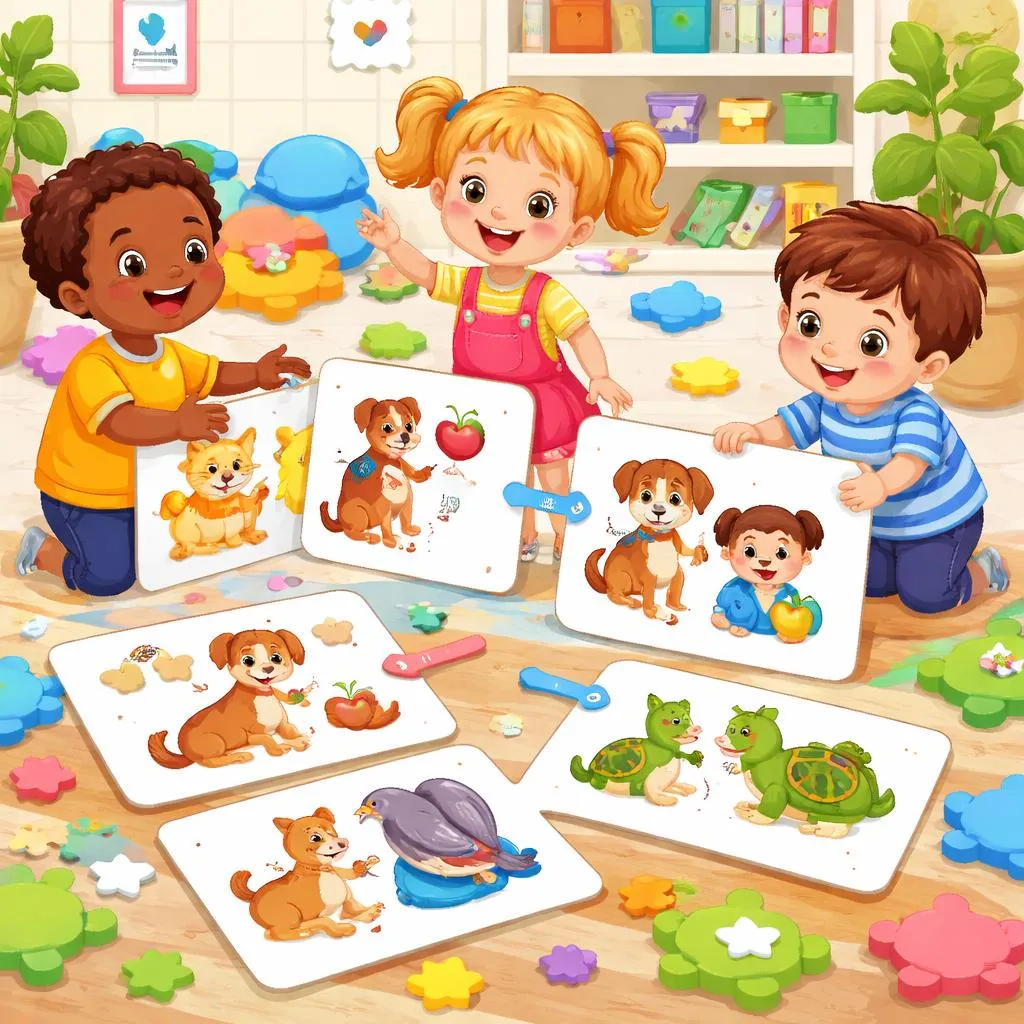

四岁的孩子正在学习使他们的句子听起来正确。他们知道“我 runs”听起来不对劲,即使他们无法解释原因。这就是主语-动词一致性。句子中的主语和动词必须匹配。如果主语是一个人或事物,动词就有一种形式。如果主语不止一个,动词就有另一种形式。“The dog runs”是正确的。“The dogs run”是正确的。教你的孩子常见的动词-主语一致性模式有助于他们正确、自然地说话。本文分享了 4 岁儿童最常见的 50 个动词-主语一致性例子。这些将帮助你的孩子以正确的方式匹配主语和动词。
什么是四岁儿童的主语-动词一致性?
主语-动词一致性意味着主语和动词一起工作。他们必须是朋友。如果主语是一个,动词就加上 -s。“The cat sleeps.”如果主语不止一个,动词就不加 -s。“The cats sleep.”对于单词 I 和 you,它是特殊的。“I sleep.”“You sleep.”四岁的孩子正在学习这些模式。他们一开始可能会说“The dog run”。但通过练习,他们学会说“The dog runs”。主语-动词一致性使句子听起来正确。
主语-动词一致性的含义和解释
主语-动词一致性有一个主要规则。单数主语需要单数动词。复数主语需要复数动词。在现在时,我们为 he, she, it 的动词加上 -s。“He runs.”“She eats.”“It jumps.”对于 I, you, we, they,我们不加 -s。“I run.”“You eat.”“We jump.”“They play.”对于过去时,大多数动词对所有主语都是一样的。“I played.”“He played.”“They played.”但动词“to be”是特殊的。“I am.”“You are.”“He is.”“We are.”“They are.”学习这些模式有助于孩子们正确地说话。
学龄前儿童的主语-动词一致性类别
我们将这些主语-动词一致性例子分为几类。这有助于孩子们理解不同的主语和动词。以下是主要组别:
I 和 You:特殊形式。
He, She, It:单数第三人称。
We 和 They:复数主语。
单数名词:一个人、动物或事物。
复数名词:不止一个。
动词“To Be”:Am, is, are。
动词“To Have”:Has, have。
过去时动词:适用于大多数主语。
主语-动词一致性的日常生活例子
主语-动词一致性出现在孩子们所说的一切中。早上,孩子说“I am awake.”早餐时,他们说“The cereal is good.”玩耍时,他们说“The cars go fast.”在公园里,他们说“The slide is fun.”睡前,他们说“I am tired.”父母也使用正确的搭配。“Daddy is at work.”“The dogs are barking.”孩子们通过听到正确的形式来学习。
I 和 You 句子
I am happy.
I like pizza.
I have a ball.
I see the dog.
I want milk.
I can jump.
I need help.
I love you.
I am tired.
I do not know.
You are my friend.
You have a red shirt.
You like to play.
You see the bird.
You can run fast.
You need a hug.
You are funny.
You do not like peas.
You are four too.
You make me happy.
He, She, It 句子
He runs fast.
She sings nicely.
It rains outside.
He eats lunch.
She plays with dolls.
It sleeps on the bed.
He wants a turn.
She reads books.
It feels soft.
He jumps high.
She draws pictures.
It barks loudly.
He has a blue car.
She wears a pink dress.
It is very big.
He does not like spinach.
She goes to school.
It looks funny.
He helps his mom.
She loves her dog.
We 和 They 句子
We go to the park.
We eat dinner together.
We have fun playing.
We like ice cream.
We see the animals.
We are friends.
We do not want to leave.
We can sing songs.
We need to clean up.
We love our family.
They run outside.
They play with blocks.
They have new toys.
They eat snacks.
They are sleeping.
They do not like baths.
They go to school.
They make noise.
They are my friends.
They help each other.
单数名词句子
The dog runs.
The cat sleeps.
The bird flies.
The baby cries.
The car goes fast.
The flower grows.
The sun shines.
The bell rings.
The cookie is yummy.
The book is heavy.
My friend plays here.
Mommy cooks dinner.
Daddy drives the car.
Grandma bakes cookies.
The teacher reads stories.
The tree is tall.
The ball bounces.
The milk is cold.
The door opens.
The light turns on.
复数名词句子
The dogs run.
The cats sleep.
The birds fly.
The babies cry.
The cars go fast.
The flowers grow.
The stars shine.
The bells ring.
The cookies are yummy.
The books are heavy.
My friends play here.
The children eat lunch.
The parents drive cars.
The grandmas bake cookies.
The teachers read stories.
The trees are tall.
The balls bounce.
The cups are full.
The doors open.
The lights turn on.
动词“To Be”(Am, Is, Are)
I am happy.
You are my friend.
He is tall.
She is little.
It is soft.
We are playing.
They are running.
The dog is brown.
The dogs are brown.
I am four years old.
You are funny.
The sky is blue.
The clouds are white.
We are tired.
They are hungry.
The baby is sleeping.
The babies are sleeping.
I am here.
You are there.
It is time to go.
动词“To Have”(Has, Have)
I have a red ball.
You have blue eyes.
He has a toy car.
She has a doll.
It has four legs.
We have fun together.
They have new shoes.
The dog has a bone.
The dogs have bones.
I have a sister.
You have a brother.
He has a cold.
She has a hat.
The cat has soft fur.
The cats have soft fur.
We have snacks.
They have homework.
The baby has a blanket.
The babies have blankets.
I have an idea.
过去时句子(大多数相同)
I played outside.
You played too.
He played outside.
She played outside.
It played outside.
We played outside.
They played outside.
The dog played outside.
The dogs played outside.
I ate my lunch.
You ate your lunch.
He ate his lunch.
She ate her lunch.
We ate our lunch.
They ate their lunch.
The cat ate the food.
The cats ate the food.
I saw a bird.
You saw a bird.
He saw a bird.
打印主语-动词一致性抽认卡
抽认卡帮助孩子们看到正确的主语-动词对。创建每张卡片上有一句话的卡片。对单数和复数使用不同的颜色。对于单数,使用蓝色。对于复数,使用绿色。在背面写下规则。“一只狗 - 给 run 加 s。”出示卡片并阅读句子。让你的孩子重复。指出匹配的主语和动词。
另一个想法是制作匹配卡。在蓝色卡片上写上主语。在绿色卡片上写上动词。你的孩子正确地匹配它们。“The dog”+“runs.”“The dogs”+“run.”
主语-动词一致性的学习活动
活动帮助孩子们自然地使用正确的搭配。在家试试这些:
修复句子:说一个搭配错误的句子。“The dogs runs.”让你的孩子修复它。“The dogs run.”
单数和复数排序:说一个主语。你的孩子说它是一个还是多个。然后他们说出正确的动词。“The cat” - 一个 - “sleeps.”“The cats” - 多个 - “sleep.”
动作游戏:做动作并让你的孩子描述。如果你跳,他们说“You jump.”如果一个孩子跳,他们说“He jumps.”如果几个人跳,他们说“They jump.”
看图说话:看图片。造关于你所看到的句子。指出搭配。“The boy runs.”“The girls run.”
故事时间:读一本书。停顿并指出主语-动词一致性。“看,它说‘the bear sleeps’,因为只有一只熊。”
特定一致性类型的学习活动
对于 I 和 you,练习关于你自己和孩子的句子。“I am Mommy. You are my child.”对于 he, she, it,谈论家庭成员和宠物。“She is Grandma. He is Grandpa. It is the dog.”对于 we 和 they,谈论群体。“We are a family. They are our friends.”对于单数和复数名词,玩“一个和多个”游戏。“一只猫说喵。两只猫说喵。”
使用主语-动词一致性的教育游戏
游戏让学习搭配变得有趣。以下是一些最受欢迎的:
一致性宾果游戏:制作带有主语的宾果卡。喊出动词。你的孩子覆盖匹配的主语。“runs” - 覆盖“The dog.”“run” - 覆盖“The dogs.”
匹配主语和动词:在一组卡片上写上主语。在另一组上写上动词。你的孩子正确地匹配它们。
修复句子比赛:说一个搭配错误的句子。比赛看谁能先修复它。“The birds sings.”修复:“The birds sing.”
主语-动词字谜游戏:表演一个主语和动词。你的孩子猜测并说出正确的句子。表演一只狗在跑。你的孩子说“The dog runs.”
用一致性构建故事:开始一个故事。每个人都添加一个句子,但必须使用正确的一致性。“从前有一只熊住在森林里。”下一个人:“The bear eats honey.”
不同设置的游戏创意
在车里,玩“一个或多个”。指着东西说“One car”或“Many cars.”你的孩子说出正确的动词。“The car goes.”“The cars go.”在公园里,玩“他们在做什么?”观察人们。“That boy swings.”“Those girls slide.”在用餐时间,玩“食物谈话”。“The cookie is sweet.”“The cookies are sweet.”
如何自然地教主语-动词一致性
你是最好的榜样。在你的演讲中使用正确的一致性。你的孩子每天都会听到正确的模式。当你的孩子犯了一个一致性错误时,不要严厉地纠正。只需正确地重复句子即可。如果他们说“The dogs runs”,你说“是的,The dogs run fast!”这种温和的建模比直接纠正更有效。
为什么主语-动词一致性对四岁儿童很重要
主语-动词一致性使语音正确清晰。当你的句子遵循规则时,人们会更好地理解你。正确的搭配也听起来更成熟。那些使用它的人更容易被别人理解。
主语-动词一致性也为孩子们阅读和写作做准备。书面语言必须遵循这些规则。尽早学习它们可以使学校作业更容易。
父母支持主语-动词一致性学习的技巧
始终为正确的搭配建模。孩子们通过听来学习。使用各种主语和动词,这样他们就可以听到许多模式。
阅读带有简单、正确句子的书籍。自然地指出搭配。“看,这句话说‘the bird flies.’Bird 是一个,所以我们说 flies。”
玩木偶。让木偶用正确和不正确的一致性说话。让你的孩子当老师并纠正木偶。
主语-动词一致性重复的力量
孩子们通过重复来学习模式。他们将一遍又一遍地听到和使用相同的一致性模式。每次,正确的形式变得更加自然。
唱带有清晰主语-动词一致性的歌曲。“Old MacDonald had a farm”对 he 使用“had”。“The wheels on the bus go round”对 they 使用“go”。
围绕一致性创建例程。在吃零食的时候,谈论每个人有什么。“I have an apple. You have a banana. He has a cookie.”这练习了 have/has。
将主语-动词一致性与书籍和媒体联系起来
选择带有简单、清晰句子的书籍。指出主语和动词。“看,这里是主语‘the bear’。这里是动词‘sleeps’。它们匹配,因为有一只熊。”
教育视频也可以提供帮助。一起观看并暂停。谈论主语和动词是否匹配。
创建一个主语-动词一致性丰富的环境
创建一个“匹配墙”。张贴带有句子的图片。一张狗的图片,上面写着“The dog runs.”一张狗的图片,上面写着“The dogs run.”经常参考它们。
为日常例程制作一致性卡。“I brush my teeth.”“We brush our teeth.”一起阅读它们。
鼓励你的孩子使用正确的一致性
玩“老师”游戏。让你的孩子纠正你。有时故意犯错误,看看他们是否注意到。“The sun shine bright.”你的孩子可能会说“不,the sun shines!”
当你的孩子使用正确的一致性时,请注意它。“你今天对你的朋友使用了‘has’!这太棒了!”这种积极的反馈强化了正确的模式。
庆祝主语-动词一致性的进步
注意你的孩子何时开始正确地使用新的搭配模式。“你今天对你的朋友使用了‘has’!这太棒了语法!”庆祝这些里程碑。
请记住,每个孩子的发展速度都不同。有些人很早就掌握了搭配。其他人需要更多的时间。两者都是正常的。你的支持和鼓励会带来改变。
通过教你的孩子这 50 个最常见的主语-动词一致性例子,你为他们提供了正确说话的工具。他们听起来会更像母语人士。他们会更容易被理解。他们将为阅读和写作做好准备。一起享受每个新匹配的主语和动词。每个“he runs”和“they run”都显示了不断增长的语言掌握能力。