
Are Similar Words Really Interchangeable?
Many English words share similar meanings. This can make learning confusing for children. Words like excited and thrilled both describe strong positive feelings. They often appear in similar sentences.
However, they are not always interchangeable. Small differences affect how strong the feeling sounds. They also change the tone of a sentence.
When children learn these differences, they improve both vocabulary and emotional expression. This helps them communicate more clearly.
Set 1: excited and thrilled — Which One Is More Common?
The word excited is very common in daily English. Children hear it often in school and at home. For example, “I am excited about the trip.”
Thrilled appears less often. It sounds stronger and slightly more expressive. For example, “She was thrilled to win the prize.”
Because of this, excited becomes part of early vocabulary. Children use it naturally in many situations.
Parents can start with excited. Then they can introduce thrilled as a more advanced word.
Set 2: excited and thrilled — Same Meaning, Different Contexts
Both words describe happiness and anticipation. Yet they appear in slightly different contexts.
Excited works in many everyday situations:
I am excited for my birthday. He feels excited about the game.
It can describe general positive energy.
Thrilled often describes special or meaningful moments:
She was thrilled to meet her hero. They felt thrilled by the surprise.
Thrilled often connects with memorable experiences.
Children should learn that excited fits daily life. Thrilled fits special highlights.
Set 3: excited and thrilled — Which Word Is “Bigger” or More Emphatic?
When comparing intensity, thrilled is stronger than excited.
Excited shows high energy and happiness. It can describe many levels of feeling.
Thrilled suggests a deeper and more powerful emotion. It often feels like a peak moment.
For example:
A child feels excited before a party. A child feels thrilled when receiving a big surprise.
This difference helps children describe how strong their feelings are.
Set 4: excited and thrilled — Concrete vs Abstract
Both excited and thrilled describe abstract emotions. They are feelings, not objects.
Excited can connect to visible actions:
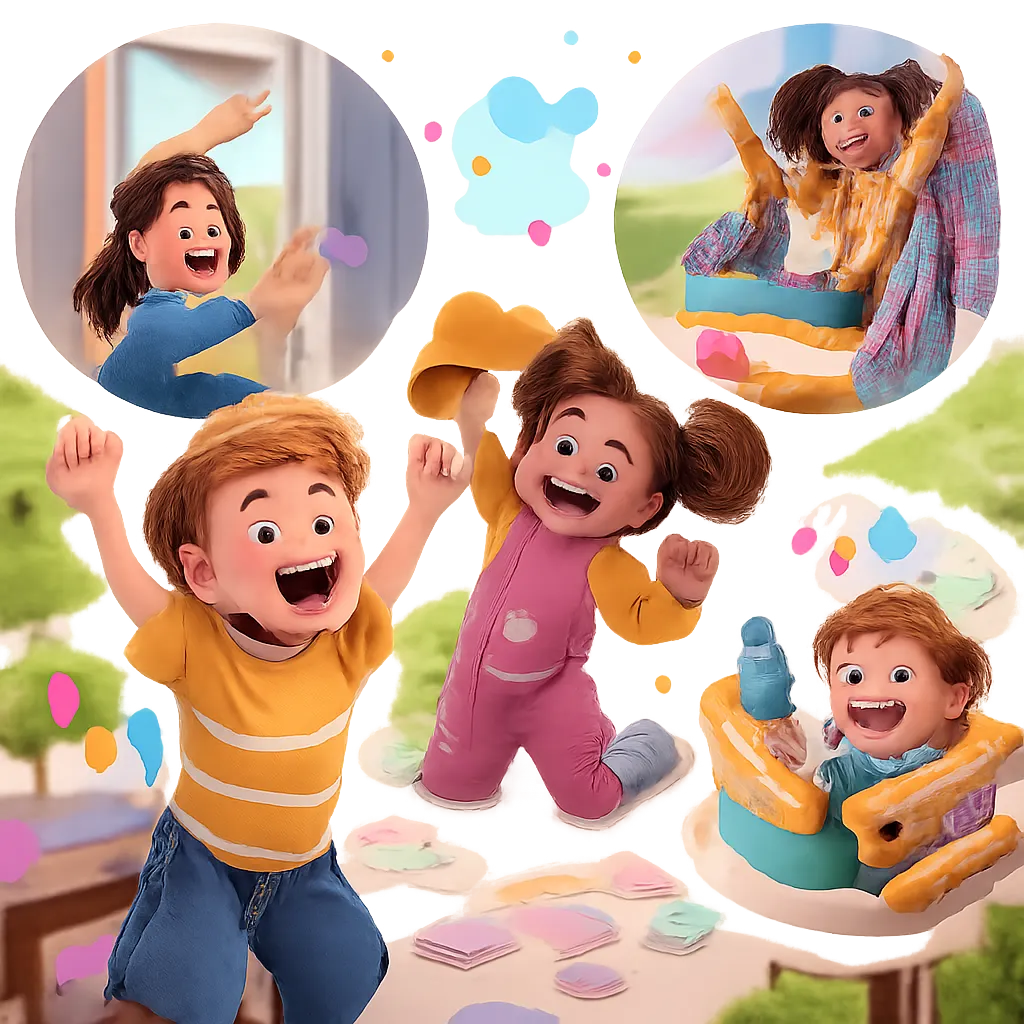
jumping with excitement an excited voice
Children can easily observe these signs.
Thrilled often describes inner emotional impact:
a thrilled reaction a thrilled response
It feels more intense but less visible in simple ways.
This makes excited easier for beginners. Thrilled adds expressive depth.
Set 5: excited and thrilled — Verb or Noun? First Understand the Role
Understanding word roles helps children use vocabulary correctly.
Excited comes from the verb excite:
The game excites him. He feels excited.
It also connects to the noun excitement:
The room was full of excitement.
Thrilled comes from the verb thrill:
The story thrilled the audience. She felt thrilled.
It connects to the noun thrill:
The ride gave him a thrill.
Learning these word families helps children expand vocabulary naturally.
Set 6: excited and thrilled — American English vs British English
Both words appear in American and British English. Their meanings remain the same.
Excited is very common in both regions. It fits daily conversation and simple writing.
Thrilled also appears in both, but it sounds more expressive and slightly formal.
Children can safely use excited in most situations. Learning thrilled adds variety and richness.
Set 7: excited and thrilled — Which Fits Formal Situations?
Word choice matters in formal settings.
Excited works in both informal and formal contexts:
“I am excited to learn” is acceptable in many settings.
Thrilled can sound more polished in certain situations:
“I am thrilled to join this event” sounds enthusiastic and refined.
Both words can appear in polite communication. However, thrilled often adds a stronger positive tone.
Teaching this difference helps children adjust their language.
Set 8: excited and thrilled — Which One Is Easier for Kids to Remember?
Children learn best with simple and familiar words.
Excited is easier because:
it appears often it connects to daily experiences it has clear examples
Thrilled is less common and slightly more complex. It may take more time to learn.
However, once children experience strong joy, they can understand thrilled more easily.
Parents can use real-life moments to explain it.
Mini Exercise: Can You Spot the Differences Between These Similar Words?
Try these exercises together.
Choose the correct word: excited or thrilled.
She felt ______ about her birthday party. He was ______ to win the big prize. The children were ______ before the trip. She felt ______ when she met her favorite singer.
Answers:
excited thrilled excited thrilled
Encourage children to explain their choices. This builds deeper understanding.
Parent Tips: How to Help Kids Learn and Remember Similar Words
Parents can support learning with simple daily steps.
Start with excited. Use it in real conversations. Talk about upcoming events and feelings.
Then introduce thrilled during special moments. Explain that it describes stronger happiness.
Ask simple questions:
Is this feeling big or very big? Is this an everyday moment or a special one?
Use real-life examples. A child may feel excited before a game. A child may feel thrilled after winning.
Encourage children to use both words in speaking and writing. Practice builds confidence.
Keep learning positive and meaningful. When children understand words like excited and thrilled, they gain tools to express joy in rich and accurate ways.