Introduction to Suriname Learning Reading: Suriname combines English practice with cultural exploration.It helps young readers build skills while discovering a unique South American country.This content supports shared reading between children and parents at home.It creates a low-pressure space for steady language growth. Suriname is known for its rich cultural mix and lush nature.Reading about real places makes new vocabulary more meaningful.Children connect words to real life instead of memorizing lists.Learning Reading: Suriname makes English learning enjoyable and purposeful. Short, clear sentences help early readers feel successful.Kids gain confidence as they understand and read smoothly.Parents can guide discussions without strict rules or stress.This method supports long-term reading habits and curiosity. Learning about different countries helps children see the world widely.They understand diverse cultures and ways of living.English becomes a tool to explore, not just a school task.Learning Reading: Suriname turns study into an exciting adventure. Where Is Suriname? Suriname is a small country on the northeast coast of South America.It lies north of Brazil and west of French Guiana.The Atlantic Ocean forms its northern border.Many rivers cross the country and shape its landscape. Paramaribo is the capital and largest city of Suriname.The country has a warm, tropical climate all year.Thick rainforests cover most of its inland areas.Learning Reading: Suriname teaches basic geography in simple terms. Knowing a country’s location helps children understand its lifestyle.They can picture rainforests, rivers, and coastal plains.Parents can use a map to make learning more visual and clear.This adds depth to every reading practice session. Rivers play an important role in transportation and daily life.Many communities rely on rivers for water and travel.Children learn how nature influences where and how people live.Learning Reading: Suriname connects geography to real-life experiences. Interesting Facts About Suriname Suriname is one of the smallest countries in South America.It also has one of the most diverse rainforest environments on the continent.Many rare plants and animals live deep in its forests.Kids find these facts fascinating and easy to read. Suriname has a strong cultural mix from many parts of the world.People from Africa, Asia, Europe, and native groups live together.This mix creates special traditions, food, music, and festivals.Learning Reading: Suriname introduces diversity in a gentle way. Dutch is the official language, but many other languages are widely spoken.Sranan Tongo is a common local language used in daily life.Children learn that many countries have more than one language.This opens their minds to global language diversity. Suriname’s rainforests help support Earth’s environmental balance.They provide homes for countless animals and plants.Jaguars, monkeys, and colorful birds live in these forests.Learning Reading: Suriname makes nature learning exciting for kids. Traditional food in Suriname uses rice, vegetables, and local spices.Meals often bring families and neighbors together.Children learn about daily life and food culture in a faraway nation.Short facts keep reading light and engaging for young learners. Key Vocabulary About Suriname Learning Reading: Suriname uses simple, useful words for early readers.These words support reading fluency and real-world understanding.Children can master them quickly with regular practice. Suriname: a country in South America Rainforest: a thick, wet forest with many plants River: natural moving water across land Capital: the main city of a country Culture: traditions, food, and way of life Tropical: warm and rainy climate Forest: a large area with many trees Coast: land next to the ocean Learning these words improves reading speed and confidence.Children recognize words faster with repeated use.Parents can help with pronunciation during shared reading.Strong vocabulary makes understanding texts much easier. Matching words to pictures helps memory last longer.Children create mental images for each new term.Learning Reading: Suriname makes vocabulary feel purposeful.These words appear again in sentences and reading passages. The Famous People About Suriname Suriname has produced many inspiring and important people.Their stories give children positive role models while learning English.Reading about them makes language practice more meaningful. RemBranCe is a well-known Surinamese musician.He shares Surinamese culture through music around the world.Children enjoy reading about artists who spread joy and culture.Learning Reading: Suriname tells his story in simple sentences. Many Surinamese athletes compete in international sports events.They show hard work, discipline, and national pride.Kids feel motivated when reading about sports role models.Short sentences make these stories easy to follow. Surinamese writers and poets share stories of their land and people.They preserve history and culture through words.Children learn the importance of storytelling and language.Learning Reading: Suriname connects literature to reading practice. Educators and community leaders help improve lives in Suriname.They support children, schools, and local development.Young readers learn about kindness, leadership, and service.These stories make English learning more inspiring and memorable. Simple Sentences for Reading Practice Learning Reading: Suriname uses short sentences for early reading success.These sentences help kids read smoothly and build confidence.Each sentence uses vocabulary from the earlier list. Suriname is a country in South America.Rainforests cover much of Suriname.Paramaribo is the capital of Suriname.Rivers run through the Surinamese land. Suriname has a warm tropical climate.Culture in Suriname is very diverse.The ocean lies on Suriname’s north coast.Forests are home to many wild animals. Children can read these sentences aloud.Repeating them builds speed and accuracy.Parents can read a line and let the child repeat.Shared practice strengthens reading habits over time. Simple sentences reduce anxiety for new readers.Kids feel proud when they read without struggle.Learning Reading: Suriname builds a strong foundation early.Each small success leads to more progress in reading. Short Reading Passage About Suriname Suriname is a small country in the northern part of South America.It has thick rainforests, wide rivers, and a long Atlantic coast.The capital city is Paramaribo, where many people live and work.Suriname has a warm tropical climate all year long. People from many different cultural backgrounds live together.They share food, music, festivals, and kind traditions.Rainforests provide homes for animals like jaguars and birds.Learning Reading: Suriname makes reading fun and informative. Rivers help people travel and farm near the water.Local food uses fresh ingredients and rich flavors.Children learn about the world while practicing English reading.This passage helps build fluency and comprehension gently. Reading this text several times helps kids become more confident.Words become familiar, and understanding grows naturally.Children enjoy learning about a new country while improving skills.Learning becomes easier when content feels interesting and meaningful. Fun Questions About Suriname Fun questions make Learning Reading: Suriname more interactive.Children actively recall information and think carefully.This improves comprehension and keeps them focused. Which continent is Suriname located in?What is the capital city of Suriname?What kind of forests cover most of Suriname?What body of water borders Suriname to the north? What kind of climate does Suriname have?What is important for travel and farming in Suriname?What makes Suriname’s culture special and diverse?What animals live in Suriname’s rainforests? Answering aloud helps children practice speaking skills.Parents can praise effort and offer gentle corrections.Mistakes are a normal and helpful part of learning.Reading feels like a game instead of a difficult task. Questions encourage kids to read the text again.They search for answers and practice careful reading.This builds good habits for future school and learning.Learning Reading: Suriname becomes more engaging with interaction. Tips for Learning English with This Topic Start with short daily reading sessions for best results.Ten to fifteen minutes each day helps maintain focus.Consistency works better than long, tiring practice. Read together with your child and take turns.This creates a calm bonding experience.Children feel supported and less nervous.Learning Reading: Suriname becomes a shared family activity. Point to words while reading to build recognition.This helps children connect sounds to written letters.Over time, they read more independently.Visual guidance supports early reading skills. Repeat vocabulary words during daily conversations.Use them during meals, walks, or play activities.Real-life use helps words stay in long-term memory.Children see English as a living, useful language. Use pictures or maps of Suriname to enrich learning.Visuals make reading more vivid and memorable.Kids connect words to real places and natural scenes.This deepens understanding and increases interest. Praise effort and progress, not just perfect reading.Confidence helps children try more difficult texts.A positive environment supports lifelong love for reading.Learning Reading: Suriname works best with patience and kindness. Let children reread favorite parts as many times as they like.Familiarity builds fluency and joy in reading.Avoid rushing or pushing too hard.Small steps lead to strong reading skills over time. Learning about other countries helps children grow into global citizens.They understand and respect different ways of life.English becomes a bridge to new cultures and ideas.Learning Reading: Suriname helps kids become thoughtful, capable readers. Every reading session adds to a child’s language strength.Words become easier, sentences flow smoother, and confidence grows.Children learn not just to read, but to love exploring new ideas.With gentle practice, they develop the skills to enjoy stories from every corner of the world.
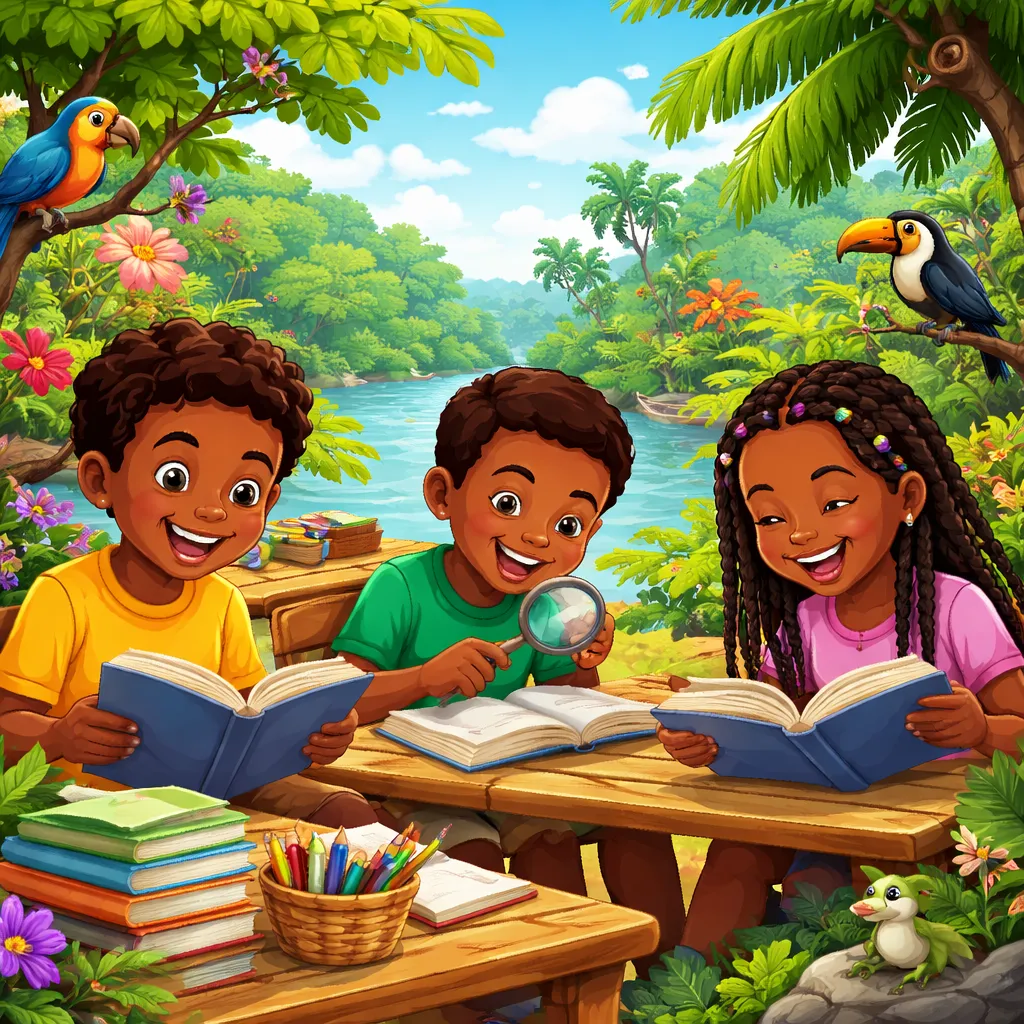
Explore Ways Learning Reading: Suriname Boosts Kids’ English Reading Abilities
