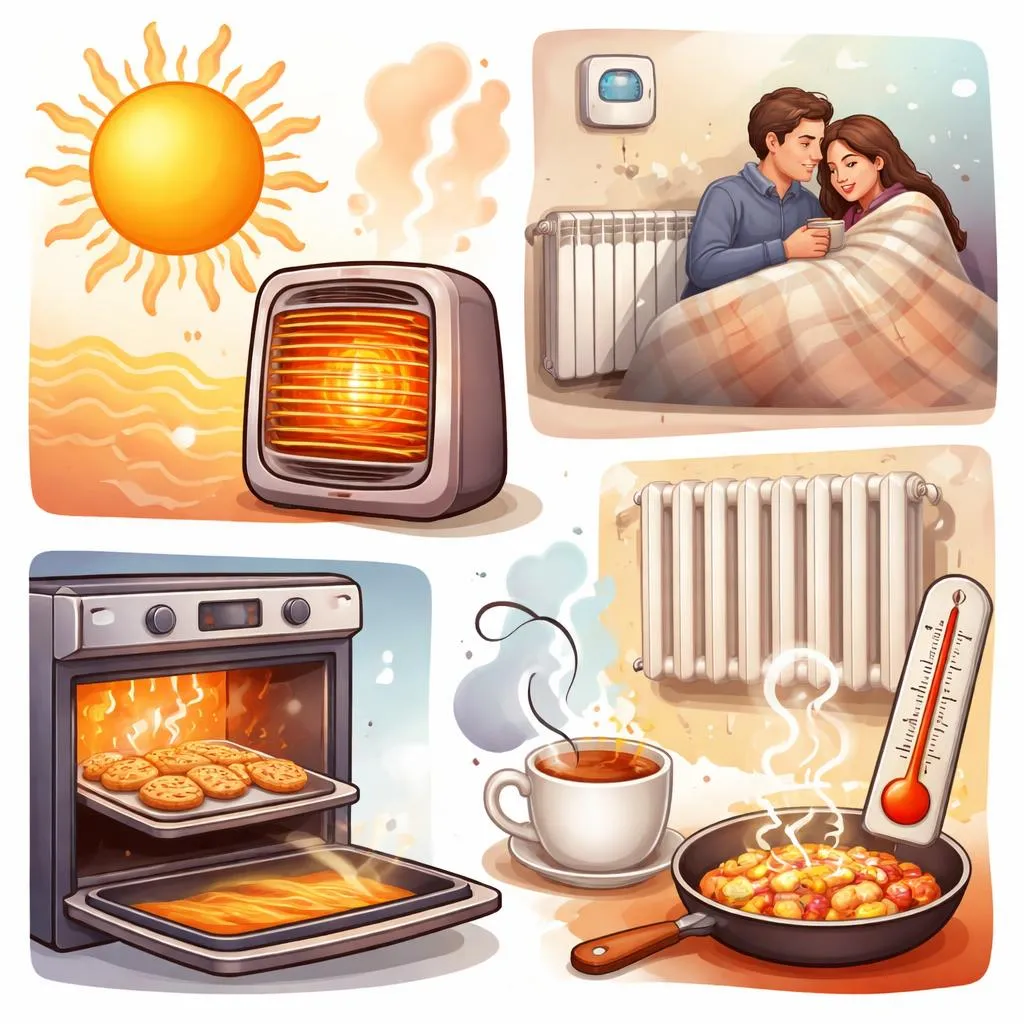

What Does “Same Word, Different Forms” Mean? One root word can grow into five temperature forms. “Heat, heater, heating, heated, hot” share one meaning. That meaning is “high temperature or warmth.” Each form has a different job in a sentence. One word names the energy or the action. One word names a machine that warms. One word names the process of warming. One word describes something that is warm. One word describes high temperature. Learning these five forms builds weather and science vocabulary.
Personal Pronouns Change Their Form This rule applies to pronouns like “it and its.” But word families work the same way for other words. “Heat” is a noun or a verb. “Heater” is a noun. “Heating” is a noun or a verb form. “Heated” is an adjective or a past participle. “Hot” is an adjective. Each form answers a different question. What energy or action? Heat. What machine? Heater. What process? Heating. What kind of object or argument? Heated. What temperature? Hot.
From Verb to Noun to Adjective to Adverb – One Family, Many Words This family starts with the noun “heat.” Heat is warmth or high temperature. Example: “The heat from the fire kept us warm.” “Heat” can also be a verb. Example: “Heat the soup on the stove.” From “heat,” we make the noun “heater.” “Heater” names a device that makes warmth. Example: “The space heater warmed the room.” From “heat,” we make the noun “heating.” “Heating” names the process of making something warm. Example: “The heating system broke down.” From “heat,” we make the adjective “heated.” “Heated” describes something that is warm or an angry argument. Example: “The heated pool felt wonderful.” From “heat,” we make the adjective “hot.” “Hot” describes something with very high temperature. Example: “The soup is too hot to eat.”
One Root, Many Roles – How Words Grow from Actions to Qualities Think of a winter morning. The “heat” from the furnace warms the house. That is the noun. The furnace is a “heater.” That is the machine noun. The process of warming is “heating.” That is the process noun. The air that comes out is “heated” air. That is the adjective. The metal on the furnace is “hot” to touch. That is the strong adjective. The root meaning stays “warmth or high temperature.” The role changes with each sentence.
Same Meaning, Different Jobs – Is It a Verb or a Noun? “Heat” can be a noun or a verb. As a noun: “The heat was unbearable.” As a verb: “Heat the water for tea.” “Heater” is always a noun. It names a machine. Example: “The heater is making a strange noise.” “Heating” can be a noun or a verb form. As a noun: “Heating costs are high in winter.” As a verb: “We are heating the house.” “Heated” is an adjective or a past participle. As an adjective: “The heated debate lasted an hour.” As a past participle: “He heated the oven to 350 degrees.” “Hot” is always an adjective. It describes temperature. Example: “The hot sun burned my skin.” Same family. Different jobs.
Adjectives and Adverbs – When Do We Add -ly? This family does not have a common adverb. You could say “hotly,” but it means with anger or intensity. Example: “The issue was hotly debated.” The -ly rule applies to “hot” becoming “hotly.” But this lesson focuses on “heat, heater, heating, heated, hot.” Focus on these five main forms for now.
Watch Out for Tricky Spelling Changes (Double Letters, y to i, and More) “Heat” has no double letters. It starts with “he” and ends with “at.” When we add “-er,” we keep the word. Heat + er = heater. When we add “-ing,” we keep the word. Heat + ing = heating. When we add “-ed,” we keep the word. Heat + ed = heated. “Hot” is a different word, not derived directly from “heat” by adding a suffix. But “hot” means very high heat. A common mistake is writing “heater” with one “t” (heater has “eat” – correct). Another mistake is writing “heating” with one “t” (heating has “eat” – correct). Another mistake is writing “heated” with double “t” (heatted). The correct spelling has one “t” – heated. Write slowly at first. Remember: heat, heater, heating, heated, hot.
Let’s Practice – Can You Choose the Right Form? Try these sentences with your child. Fill in the blank with heat, heater, heating, heated, or hot.
The _______ from the stove warmed the kitchen.
The space _______ kept the garage cozy.
The _______ system runs on electricity.
The _______ pool was perfect for swimming.
Be careful, the pan is very _______.
_______ the milk before adding it to the cereal.
We bought a new _______ for the basement.
The _______ debate went on for hours.
_______ the oven to 400 degrees.
The coffee is too _______ to drink yet.
Answers:
heat
heater
heating
heated
hot
Heat
heater
heated
Heat
hot
Go through each answer slowly. Ask your child why the word fits. Praise effort and temperature awareness. Keep practice short and warm.
Tips for Parents – Help Your Child Learn Word Families in a Fun Way You can teach “heat, heater, heating, heated, hot” through daily life. Use cooking, weather, and home appliances.
In the kitchen, say “The stove gives off heat.” Ask “What is heat?”
Point to the furnace. Say “This is a heater.” Ask “What does a heater do?”
When you warm the house, say “Heating takes energy.” Ask “What is heating?”
Touch a warm surface. Say “This is heated.” Ask “What does heated mean?”
Touch a hot pan carefully. Say “This is hot.” Ask “What does hot mean?”
Play a “warm or cool” game. Write the five words on sticky notes. Say a sentence. Let your child hold up the correct word. Example: “The heat is high.” Child holds “heat.” “The heater is on.” Child holds “heater.” “Heating the room.” Child holds “heating.” “The water is heated.” Child holds “heated.” “The soup is hot.” Child holds “hot.”
Draw a five-part poster. Write “heat” with a picture of a fire. Write “heater” with a picture of a radiator. Write “heating” with a picture of a thermostat. Write “heated” with a picture of a warm blanket. Write “hot” with a picture of a steaming cup. Hang it on the wall.
Use a “temperature check” game. Touch a cup of warm water. Say “This is heated.” Touch a cup of cold water. Say “This is not heated.”
Keep each session under five minutes. Repeat games on different days. Children learn through playful temperature and energy talk.
When your child makes a mistake, smile. Say “Good try. Let me show you again.” Use the correct word in a simple sentence. Then continue.
No need for grammar drills. No need for tests. Just warm examples and real heat every day. Soon your child will master “heat, heater, heating, heated, hot.” That skill will help them talk about weather, cooking, and staying warm.