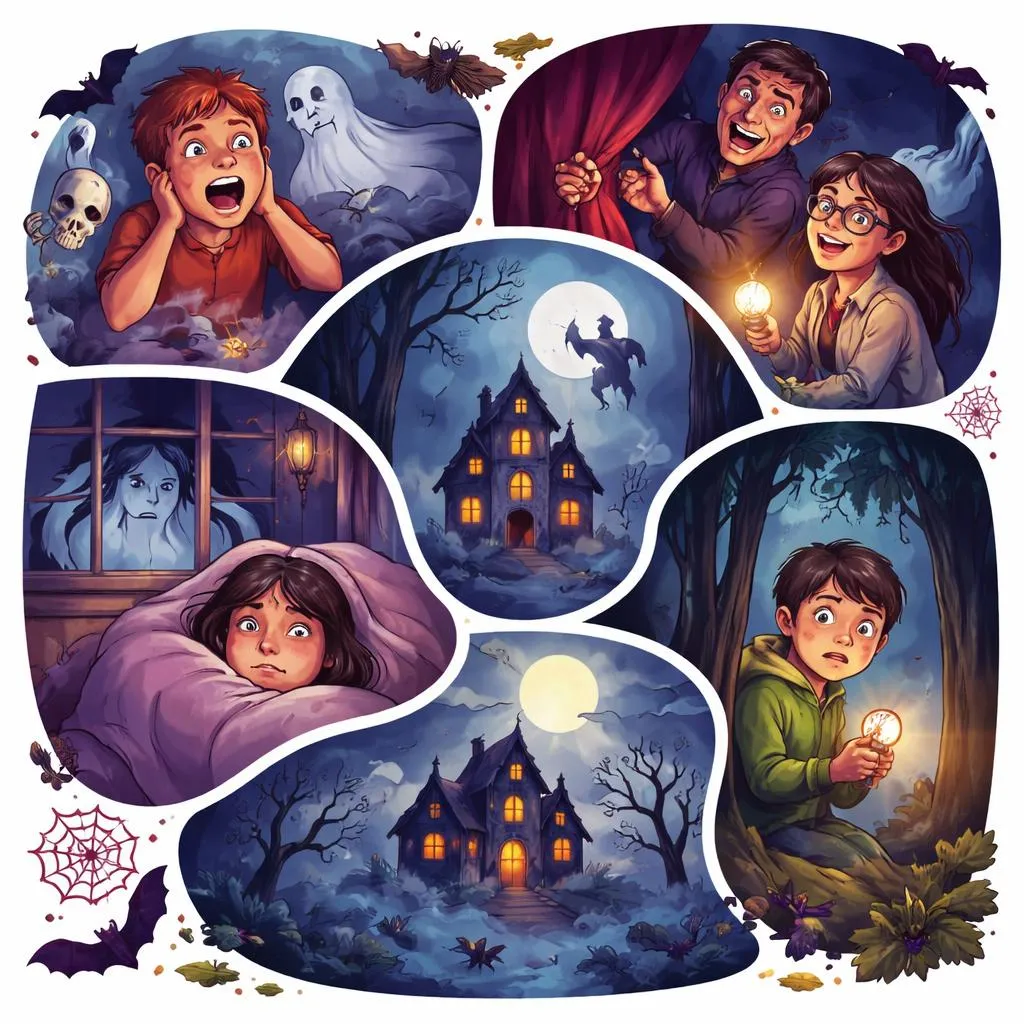

What Does “Same Word, Different Forms” Mean? One root word can grow into five fear forms. “Fright, frighten, frightening, frightened, frightful” share one meaning. That meaning is “sudden fear or to cause fear.” Each form has a different job in a sentence. One word names the feeling of fear. One word shows the action of causing fear. One word describes something that causes fear. One word describes a person who feels fear. One word describes something very bad or scary. Learning these five forms builds fear and emotion vocabulary.
Personal Pronouns Change Their Form This rule applies to pronouns like “it and its.” But word families work the same way for other words. “Fright” is a noun. “Frighten” is a verb. “Frightening” is an adjective. “Frightened” is an adjective. “Frightful” is an adjective. Each form answers a different question. What feeling? Fright. What action? Frighten. What kind of thing or event? Frightening. What kind of person? Frightened. What kind of terrible thing? Frightful.
From Verb to Noun to Adjective to Adverb – One Family, Many Words This family starts with the noun “fright.” Fright is the feeling of being scared. Example: “The loud noise gave me a fright.” From “fright,” we make the verb “frighten.” “Frighten” means to make someone feel fear. Example: “Loud thunder can frighten a young child.” From “frighten,” we make the adjective “frightening.” “Frightening” describes something that causes fear. Example: “The horror movie was frightening.” From “frighten,” we make the adjective “frightened.” “Frightened” describes a person who feels fear. Example: “The frightened puppy hid under the bed.” From “fright,” we make the adjective “frightful.” “Frightful” means very bad or shocking. Example: “The weather was frightful, with heavy snow and wind.”
One Root, Many Roles – How Words Grow from Actions to Qualities Think of a child hearing a loud bang. The child feels “fright” inside. That is the noun. The noise may “frighten” the child. That is the verb. The noise itself is “frightening.” That is the thing adjective. The child’s wide eyes show she is “frightened.” That is the person adjective. The whole experience is “frightful” and upsetting. That is the describing adjective. The root meaning stays “fear or causing fear.” The role changes with each sentence.
Same Meaning, Different Jobs – Is It a Verb or a Noun? “Fright” is always a noun. It names the feeling of fear. Example: “He got a fright when the balloon popped.” “Frighten” is always a verb. It shows the action of causing fear. Example: “Do not frighten the cat.” “Frightening” is always an adjective. It describes things that cause fear. Example: “The dark alley looked frightening.” “Frightened” is always an adjective. It describes a person or animal that feels fear. Example: “The frightened rabbit ran away.” “Frightful” is always an adjective. It describes something very bad or unpleasant. Example: “The smell from the garbage was frightful.” Same family. Different jobs.
Adjectives and Adverbs – When Do We Add -ly? This family does not have a common adverb. You could say “frighteningly” or “frightfully,” but they are rare. Example: “The storm was frighteningly loud.” Example: “The room was frightfully cold.” The -ly rule applies to these adjectives. But this lesson focuses on the five main forms. Focus on “fright, frighten, frightening, frightened, frightful” for now.
Watch Out for Tricky Spelling Changes (Double Letters, y to i, and More) “Fright” has no double letters. It starts with “fr” and ends with “ight.” When we add “-en,” we keep the word. Fright + en = frighten. When we add “-ing,” we keep “frighten” and add “ing.” Frighten + ing = frightening (keep the “en”). When we add “-ed,” we keep “frighten” and add “ed.” Frighten + ed = frightened. When we add “-ful,” we keep “fright” and add “ful.” Fright + ful = frightful. A common mistake is writing “frighten” with a “t” after the “gh” (frighten is correct – “gh” then “t”). Another mistake is writing “frightening” with one “n” (frightenig). The correct spelling has “ten” – frightening. Another mistake is writing “frightful” with one “l” (frightful has one “l” at the end of “ful” – correct). Write slowly at first. Remember: fright, frighten, frightening, frightened, frightful.
Let’s Practice – Can You Choose the Right Form? Try these sentences with your child. Fill in the blank with fright, frighten, frightening, frightened, or frightful.
The sudden crash gave me a _______.
Do not _______ the baby with loud noises.
The _______ storm kept us inside all night.
The _______ child called for his mom.
The kitchen was a _______ mess after baking.
A deep voice from the dark can _______ anyone.
The _______ movie made me cover my eyes.
She looked _______ when the spider crawled near.
The weather was _______ with strong winds.
He jumped in _______ when the door slammed.
Answers:
fright
frighten
frightening
frightened
frightful
frighten
frightening
frightened
frightful
fright
Go through each answer slowly. Ask your child why the word fits. Praise effort and brave naming of fear. Keep practice short and calming.
Tips for Parents – Help Your Child Learn Word Families in a Fun Way You can teach “fright, frighten, frightening, frightened, frightful” through daily life. Use stories, storms, and gentle reassurance.
At bedtime, say “A loud noise can give a fright.” Ask “What is fright?”
When a balloon pops, say “Did that frighten you?” Ask “What does frighten mean?”
When a movie is scary, say “That was frightening.” Ask “What does frightening mean?”
When your child looks scared, say “You look frightened.” Ask “What does frightened mean?”
When a room is very messy, say “This is frightful!” Ask “What does frightful mean here?”
Play a “scary or not” game. Write the five words on sticky notes. Say a sentence. Let your child hold up the correct word. Example: “I felt fright.” Child holds “fright.” “Don’t frighten me.” Child holds “frighten.” “The movie was frightening.” Child holds “frightening.” “The dog is frightened.” Child holds “frightened.” “The mess is frightful.” Child holds “frightful.”
Draw a five-part poster. Write “fright” with a picture of a surprised face. Write “frighten” with a picture of a popping balloon. Write “frightening” with a picture of a dark storm. Write “frightened” with a picture of a shaking child. Write “frightful” with a picture of a very messy room. Hang it on the wall.
Use a “brave talk” game. Ask “What is something that frightens you?” Let your child answer. Say “It is okay to feel frightened.”
Keep each session under five minutes. Repeat games on different days. Children learn through playful fear naming and comfort.
When your child makes a mistake, smile. Say “Good try. Let me show you again.” Use the correct word in a simple sentence. Then continue.
No need for grammar drills. No need for tests. Just warm examples and gentle fear talk every day. Soon your child will master “fright, frighten, frightening, frightened, frightful.” That skill will help them name fear, describe scary things, and talk about their feelings.