Blog > Tags > Parent Direction
After Looking for Cars, Should a Parent Say “It's Safe” or “All Clear” Before Crossing?

After Looking for Cars, Should a Parent Say “It's Safe” or “All Clear” Before Crossing?

Monday, May 25, 2026Street SafetyChild ProtectionEnglish VocabularyParent DirectionTraffic ClearanceLife Skills

What Do These Expressions Mean? “It's safe” and “all clear” both tell a child that there are no approaching dangers. They announce that the road or ar ...

Read More
Before Reaching the Corner, Should a Parent Say “Let's Cross the Street” or “Time to Cross” to a Child?

Before Reaching the Corner, Should a Parent Say “Let's Cross the Street” or “Time to Cross” to a Child?

Monday, May 25, 2026Street SafetyChild ProtectionEnglish VocabularyParent DirectionWalking InstructionTraffic Awareness

What Do These Expressions Mean? “Let's cross the street” and “time to cross” both announce that you will go across a road together. They tell a child ...

Read More
When Crossing a Street, Should a Parent Say “Hold My Hand” or “Grasp My Hand” to a Child?

When Crossing a Street, Should a Parent Say “Hold My Hand” or “Grasp My Hand” to a Child?

Monday, May 25, 2026Safety ConnectionChild ProtectionEnglish VocabularyParent DirectionPhysical TrustGentle Command

What Do These Expressions Mean? “Hold my hand” and “grasp my hand” both ask someone to take your hand for safety or connection. They tell a child to p ...

Read More
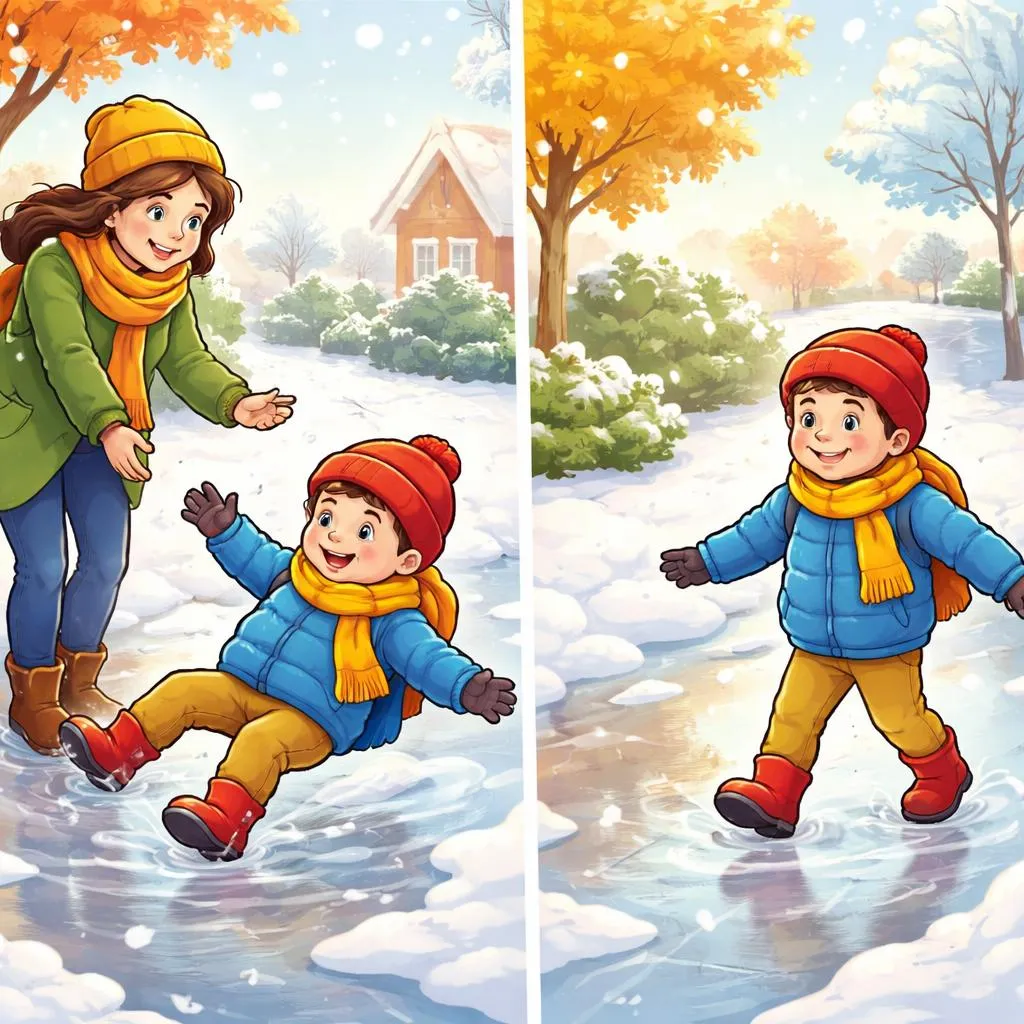
On a Slippery Surface, Should You Tell a Child “Don't Fall” or “Stay Upright” to Keep Them Safe?

On a Slippery Surface, Should You Tell a Child “Don't Fall” or “Stay Upright” to Keep Them Safe?

Monday, May 25, 2026Fall PreventionChild SafetyEnglish VocabularyBalance WordsParent DirectionGentle Warning

What Do These Expressions Mean? “Don't fall” and “stay upright” both warn someone to keep their body off the ground. They tell a person to maintain ba ...

Read More
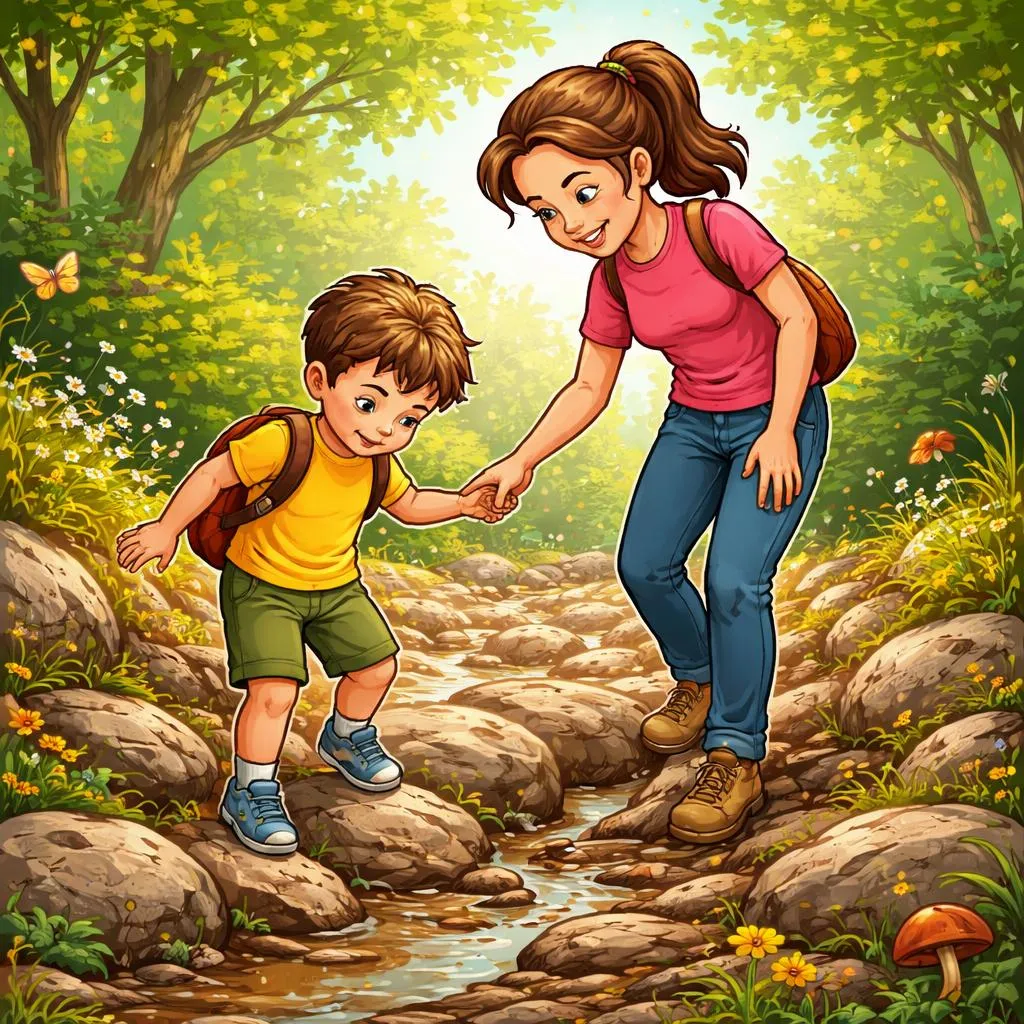
When Walking on Uneven Ground, Should You Say “Watch Your Step” or “Mind Your Feet” to a Child?

When Walking on Uneven Ground, Should You Say “Watch Your Step” or “Mind Your Feet” to a Child?

Monday, May 25, 2026Walking SafetyChild ProtectionEnglish VocabularyParent DirectionFall PreventionGentle Warning

What Do These Expressions Mean? “Watch your step” and “mind your feet” both warn someone to pay attention to where they walk. They tell a person to lo ...

Read More
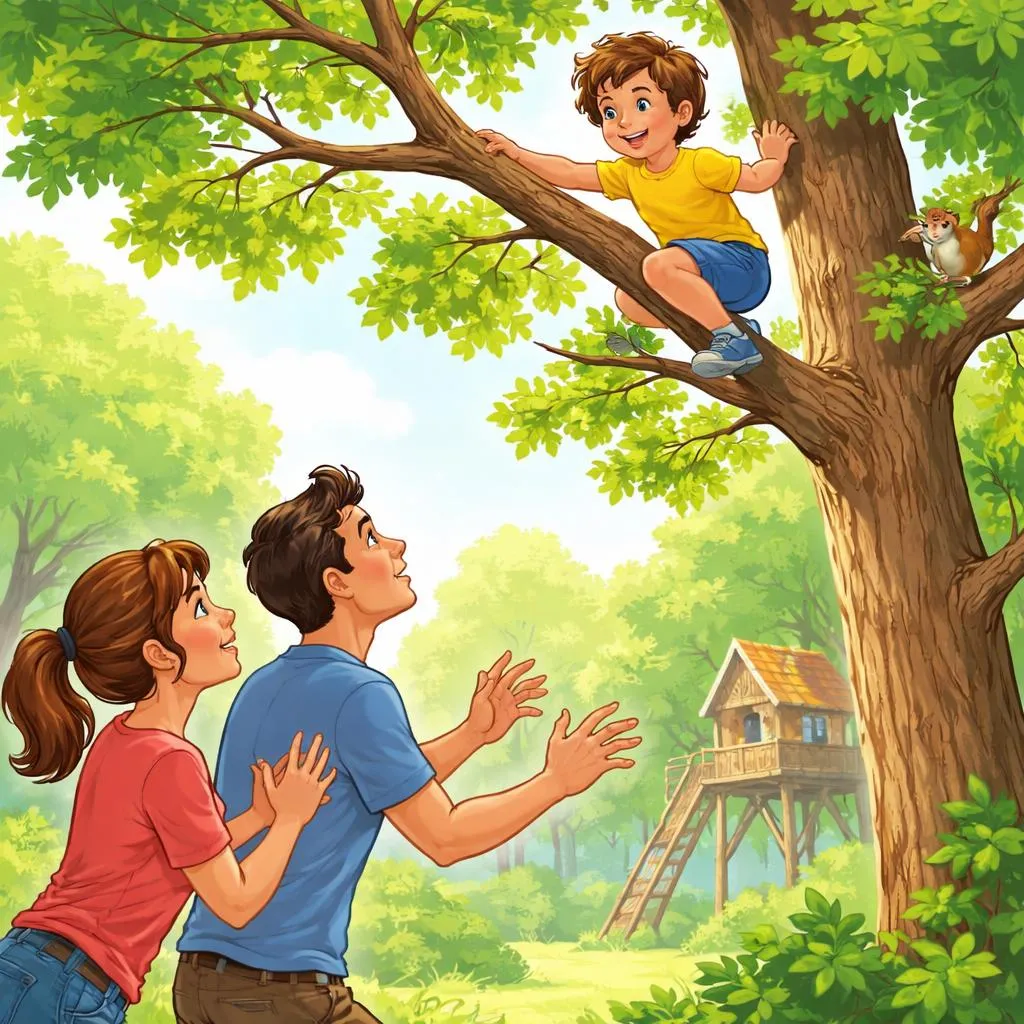
When a Child Climbs High, Should You Say “Be Careful” or “Take Caution” to Keep Them Safe?

When a Child Climbs High, Should You Say “Be Careful” or “Take Caution” to Keep Them Safe?

Monday, May 25, 2026Safety WarningChild ProtectionEnglish VocabularyParent DirectionRisk AwarenessGentle Warning

What Do These Expressions Mean? “Be careful” and “take caution” both tell someone to avoid danger and stay safe. They warn a person that there is a ri ...

Read More
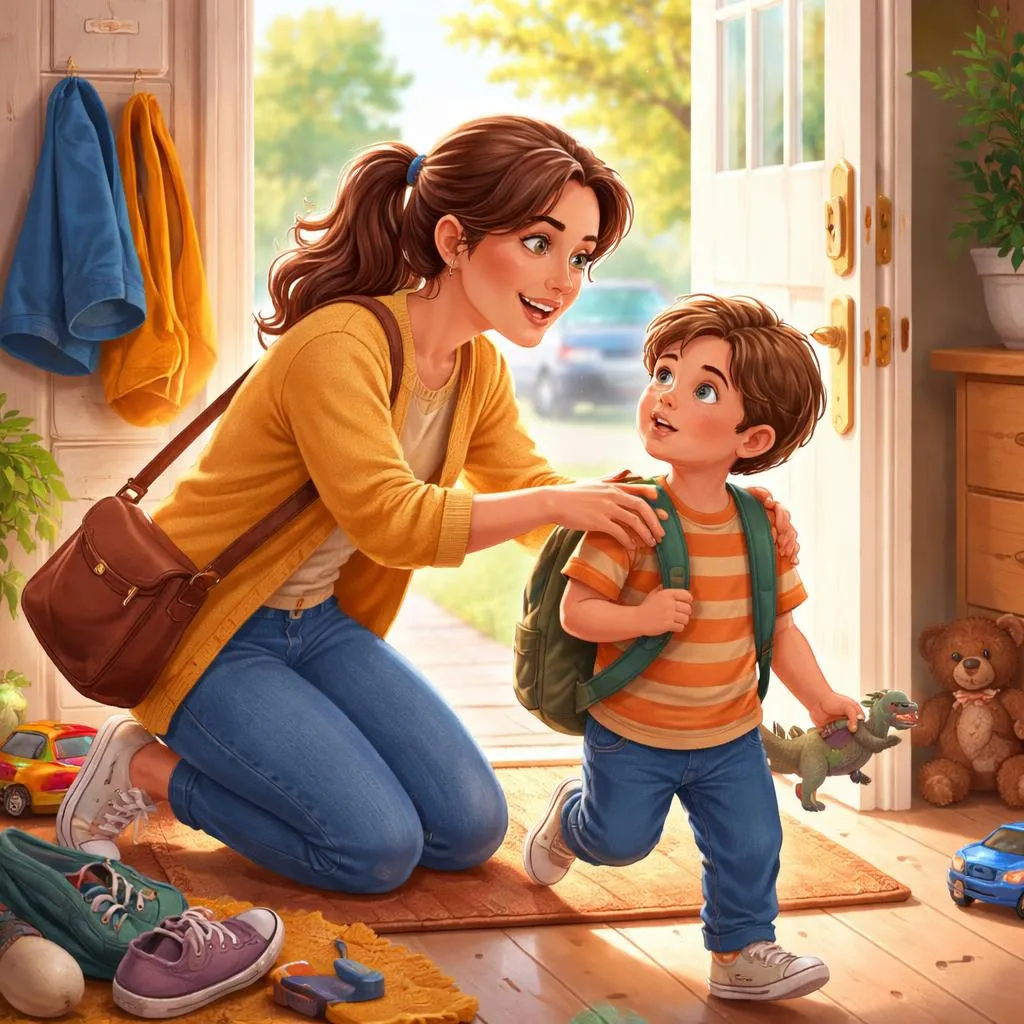
When Urgently Needing to Leave, Should You Say “It's Time to Go” or “We Must Leave” to a Child?

When Urgently Needing to Leave, Should You Say “It's Time to Go” or “We Must Leave” to a Child?

Monday, May 25, 2026Urgent DepartureChild TransitionEnglish VocabularyParent DirectionTime SensitivityClear Communication

What Do These Expressions Mean? “It's time to go” and “we must leave” both announce that departure is necessary now. They tell a child that waiting is ...

Read More
When the Day Ends, Should a Parent Say “It's Time for Bed” or Just “Bedtime” to a Child?

When the Day Ends, Should a Parent Say “It's Time for Bed” or Just “Bedtime” to a Child?

Monday, May 25, 2026Bedtime AnnouncementChild RoutineEnglish VocabularyParent DirectionSleep TransitionGentle Wording

What Do These Expressions Mean? “It's time for bed” and “bedtime” both announce that the day is ending. They tell a child that sleep is next on the sc ...

Read More
When a Trip Ends, Should a Parent Say “Let's Go Home” or “Time to Head Back” to a Child?

When a Trip Ends, Should a Parent Say “Let's Go Home” or “Time to Head Back” to a Child?

Monday, May 25, 2026Departure ExpressionChild TransitionEnglish VocabularyParent DirectionEnd of ActivityGentle Wording

What Do These Expressions Mean? “Let's go home” and “time to head back” both announce that an outing is ending. They tell a child that the group will ...

Read More

Not yet downloaded Giggle Academy?

Download onApp Store
Get it onGoogle Play
Max Dancing

Learning Resources

Learning ResourcesSongsGrammar for KidsStorybooksColoring PagesFlashcardsBlog

Current Tag

Parent Direction

Recent

When You Hear an Unknown Sound, Should You Ask “What's That Sound?” or “What Noise Is That?” to Identify It?

What Do These Expressions Mean? “What's that sound?” and “what noise is that?” both ask for the identification of an aud...

May 25, 2026
When a Dog Barks Outside, Should You Ask “Do You Hear That?” or “Can You Hear It?” to Share the Sound?

What Do These Expressions Mean? “Do you hear that?” and “can you hear it?” both ask someone to notice a sound. They tell...

May 25, 2026
Before Important Directions, Should a Child “Listen Carefully” or “Pay Close Attention” to Understand What to Do?

What Do These Expressions Mean? “Listen carefully” and “pay close attention” both mean to focus your mind on what is bei...

May 25, 2026
In a Quiet Library, Should You Tell a Child to “Be Silent” or “Make No Sound” to Respect Others?

What Do These Expressions Mean? “Be silent” and “no sound” both mean to stop making audible noise and to stay very quiet...

May 25, 2026
When You Need to Be Heard, Should a Child “Be Loud” or “Make Yourself Heard” in a Crowd?

What Do These Expressions Mean? “Be loud” and “make yourself heard” both mean to speak or act in a way that other people...

May 25, 2026
When a Drum Is Hit, Should You Say “Make a Noise” or “Create a Sound” to Describe the Action?

What Do These Expressions Mean? “Make a noise” and “create a sound” both mean to produce an audible vibration that ears ...

May 25, 2026
At a Birthday Party, Should You Say “Blow Out the Candles” or “Extinguish the Flames” to a Child?

What Do These Expressions Mean? “Blow out the candles” and “extinguish the flames” both mean to use your breath to stop ...

May 25, 2026
Before Blowing Out Candles, Should a Child “Make a Wish” or “Have a Desire” for Something Special?

What Do These Expressions Mean? “Make a wish” and “have a desire” both mean to want something to happen or to have somet...

May 25, 2026
When Making a Serious Promise, Should a Child Say “Cross My Heart” or “I Promise” to Show They Mean It?

What Do These Expressions Mean? “Cross my heart” and “I promise” both are strong statements that you will do what you sa...

May 25, 2026
When Promising to Keep a Secret, Should a Child Say “I Won't Tell” or “My Lips Are Sealed” to Show Trustworthiness?

What Do These Expressions Mean? “I won't tell” and “my lips are sealed” both promise to keep information private. They t...

May 25, 2026
Giggle Academy

Giggle Academy is a free child friendly learning platform that offers children's storybooks, nursery rhymes, vocabulary courses for language learning, and basic literacy development projects. We are committed to empowering children's learning through fun and interactive content. There are also blogs shared by parents, teachers, and volunteers to provide learning resources and opportunities for children around the world, ensuring that every child can learn happily and grow up healthily.

Download on theApp Store
GET IT ONGoogle Play
DownloadAndroid APK

Explore Giggle

Giggle HeroHero HallGiggle ClassroomBlogSearch

Learning

Giggle Learning CourseStorybookLearning ResourcesSongsGrammar for KidsStorybooksColoring PagesFlashcards

About

Support UsCompany IntroductionConcept PaperJoin Us
Privacy Policy and Terms of Service

© Copyright 2026 - Giggle Academy

沪ICP备2025138469号