
A Friendly Hello and First Impressions
Selam! (SEH-lahm). This is a peaceful "Hello" in Amharic. It also means "peace". Ameseginalehu! (ah-meh-seh-ghee-nah-LEH-hoo). This is a polite "Thank you". People say it with respect. Learning reading about Ethiopia starts with these ancient, meaningful words.
Ethiopia is in the Horn of Africa. Its shape looks like a mighty, resting lion. The lion's head faces the Red Sea. The country is in East Africa. It is landlocked, with no ocean coast. Eritrea, Sudan, and Kenya are its neighbors. The land is a high plateau with deep valleys. It is a country of stunning mountains and history.
People call it the "Roof of Africa". Much of the country is high mountains. The Simien Mountains are called the "Roof of Africa". Another name is the "Land of Origins". Coffee was first discovered here. The oldest human ancestor, Lucy, was found here. Are you ready to climb to the roof of the world?
Deep Dive into Culture and Stories
Echoes of History
A great emperor ruled long ago. His name was Menelik II. He ruled in the late 1800s. He modernized the country. He built the first railway. He also won a famous battle. He defeated an Italian army at Adwa in 1896. This victory kept Ethiopia independent. It was the only African country never colonized. His story is a key part of learning reading about Ethiopia. It is a story of strength and freedom.
Another important ruler was Emperor Haile Selassie. He was the last emperor. He ruled for over 40 years. He was a symbol of African independence. Many people around the world respected him. His legacy is still felt today.
A Gift of Coffee and Time
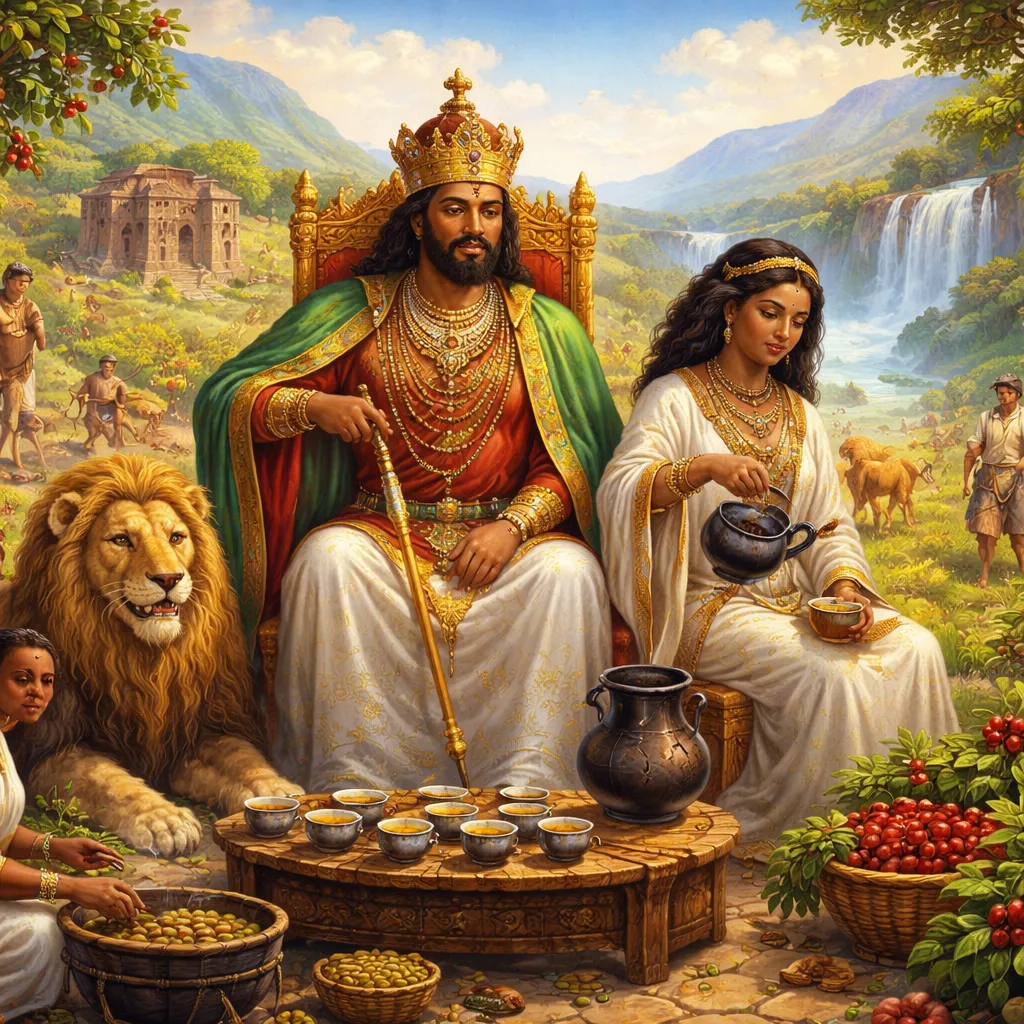
Ethiopia gave the world two great gifts. The first is coffee. A legend says a goat herder discovered it. His goats ate red berries. Then they had lots of energy. The coffee plant comes from Ethiopia. Now, people everywhere drink coffee.
The second gift is a unique calendar. The Ethiopian calendar has 13 months. It is about 7 years behind the Gregorian calendar. New Year is in September. This calendar shows Ethiopia's unique way of time. This is a fascinating part of learning reading about Ethiopia.
A Land of High Mountains
Ethiopia's geography is called a "roof". The land is a high plateau. It is split by the Great Rift Valley. The Simien and Bale mountains are very high. The lowlands are hot and dry. The landscape changes from snowy peaks to desert.
The climate is mild in the highlands. It is cooler because of the altitude. The lowlands are very hot. The environment shapes life. People grow teff, a tiny grain. Teff makes injera, the national bread. They also grow coffee. Houses in the countryside are often round. They are made of mud and straw. They are called "tukuls". The main exports are coffee, flowers, and beans.
A special animal is the Ethiopian wolf. It is the rarest canid in the world. It has red fur and lives in the mountains. The national animal is the lion. The national bird is the wattled crane. The national tree is the coffee plant. The yellow daisy is the national flower.
Landmarks of Rock and Faith
Visit the Rock-Hewn Churches of Lalibela. They are 11 churches carved from solid rock. King Lalibela built them in the 12th century. He wanted a "New Jerusalem". The most famous is Bet Giyorgis. It is shaped like a cross. A legend says angels helped build the churches at night. The site is a UNESCO wonder. It is a place of deep faith.
See the Simien Mountains National Park. It is called the "Roof of Africa". The mountains have sharp peaks and deep valleys. You can see the Gelada baboon. It is a monkey with a lion-like mane. The views are breathtaking. A fun story says the mountains are the home of giants. The giants shaped the land. The park is wild and beautiful.
Another wonder is the obelisks of Aksum. Aksum was a great ancient empire. The obelisks are giant stone pillars. They are grave markers for kings. The largest one fell and broke. It was the largest single stone ever carved. The obelisks are a mystery of ancient engineering.
Festivals of Colour and Faith
The biggest festival is Timkat. It is the Epiphany celebration. It happens on January 19th. It celebrates the baptism of Jesus. Priests carry replicas of the Ark of the Covenant. They are called "tabots". People wear white clothes. They sing and dance in the streets.
The priests bless water. People splash and play in the water. The festival is full of joy and color. It lasts for three days. The festival is a beautiful display of faith.
Another important day is Enkutatash. It is the Ethiopian New Year. It happens on September 11th. It marks the end of the rainy season. People give flowers and sing special songs. Children receive small gifts. Families share a special meal. The day is about hope and new beginnings.
Food and Flavors
The national dish is Injera with Wat. Injera is a spongy, sour flatbread. It is made from teff flour. Wat is a spicy stew. It can be made with meat, lentils, or vegetables. People eat with their hands. They tear a piece of injera. They use it to scoop the wat. The meal is shared from one large plate. It tastes sour, spicy, and communal.
You must try the Coffee Ceremony. It is not just a drink. It is a social event. The host roasts green coffee beans. The smell fills the room. Then she grinds the beans. She brews the coffee in a special pot. She serves it in small cups with popcorn. The ceremony takes about an hour. It is about friendship and time.
A Culture of Running and Green Energy
Ethiopia is famous for long-distance runners. Athletes like Haile Gebrselassie are legends. They win Olympic medals. Running is a national pride. Children run to school. This love for running is a fun part of learning reading about Ethiopia.
Ethiopia is building a huge dam. It is the Grand Ethiopian Renaissance Dam. It is on the Blue Nile River. It will make a lot of clean electricity. It will help the country develop. It shows Ethiopia's vision for the future.
Tips for Young Explorers
Cultural Manners Matter
Ethiopians are very polite and formal. Greetings are important. A handshake is common. Close friends may kiss on the cheek. Say "Selam" and ask about the person's health. This is polite. Always greet the oldest person first.
Use your right hand for everything. Give gifts, eat food, and shake hands with your right hand. The left hand is considered unclean. This rule is very important.
When eating from a shared plate, take the part in front of you. Do not reach across the plate. Try a bit of everything. Compliment the food. The host will be happy.
A Note on Staying Safe
Ethiopia is generally safe. But be careful in big cities. Watch for pickpockets in crowds. Keep your bag close. Do not walk alone at night. Use common sense.
The altitude in the highlands can affect you. You might feel dizzy. Drink lots of water. Avoid heavy activity on the first day. This helps your body adjust.
A Tasty Stop
Look for a "kolo" seller. Kolo is a roasted snack mix. It has barley, chickpeas, and nuts. It is seasoned with spices. Eat it by the handful. The kolo is crunchy, salty, and delicious. It is a perfect energy snack.
Healthy and Happy Travels
Drink only bottled or boiled water. This is the most important rule. Do not drink tap water. Avoid ice in drinks. Brush your teeth with bottled water. This keeps your stomach happy.
The sun is very strong at high altitude. Use a high SPF sunscreen. Wear a hat. The sun can burn you quickly. Protect your skin.
Use insect repellent. In some areas, mosquitoes can carry diseases. Wear long sleeves in the evening. Your hotel may have a mosquito net. Use it.
Your Invitation to Explore
Start your journey with a story. Read the legend of the goat herder and coffee. Imagine the excited goats. Or, watch a video of an Ethiopian runner winning a race. Feel the excitement. This is a wonderful way of learning reading about Ethiopia.
Visit a local market. Look for teff flour or Ethiopian coffee. Try making a simple flatbread. Taste the unique flavor. Imagine the highlands where it grows. You can also try a coffee ceremony with your family. Take time to talk and enjoy.
The world is a big, ancient book. Each country is a different chapter. Ethiopia's chapter is about ancient kings, coffee, and champions. Open it with curiosity. Read about its churches, calendar, and incredible runners. Your curiosity is your guide.
Ethiopian families share a plate of injera and wat. Friends spend an hour in a coffee ceremony. Children run barefoot on dirt roads. We all know these feelings. We love sharing meals. We cherish time with friends. We play and run with joy. Learning about Ethiopia shows us this. Our global family shares the same simple joys. Keep exploring, one page, one country, at a time. Your adventure has just begun.