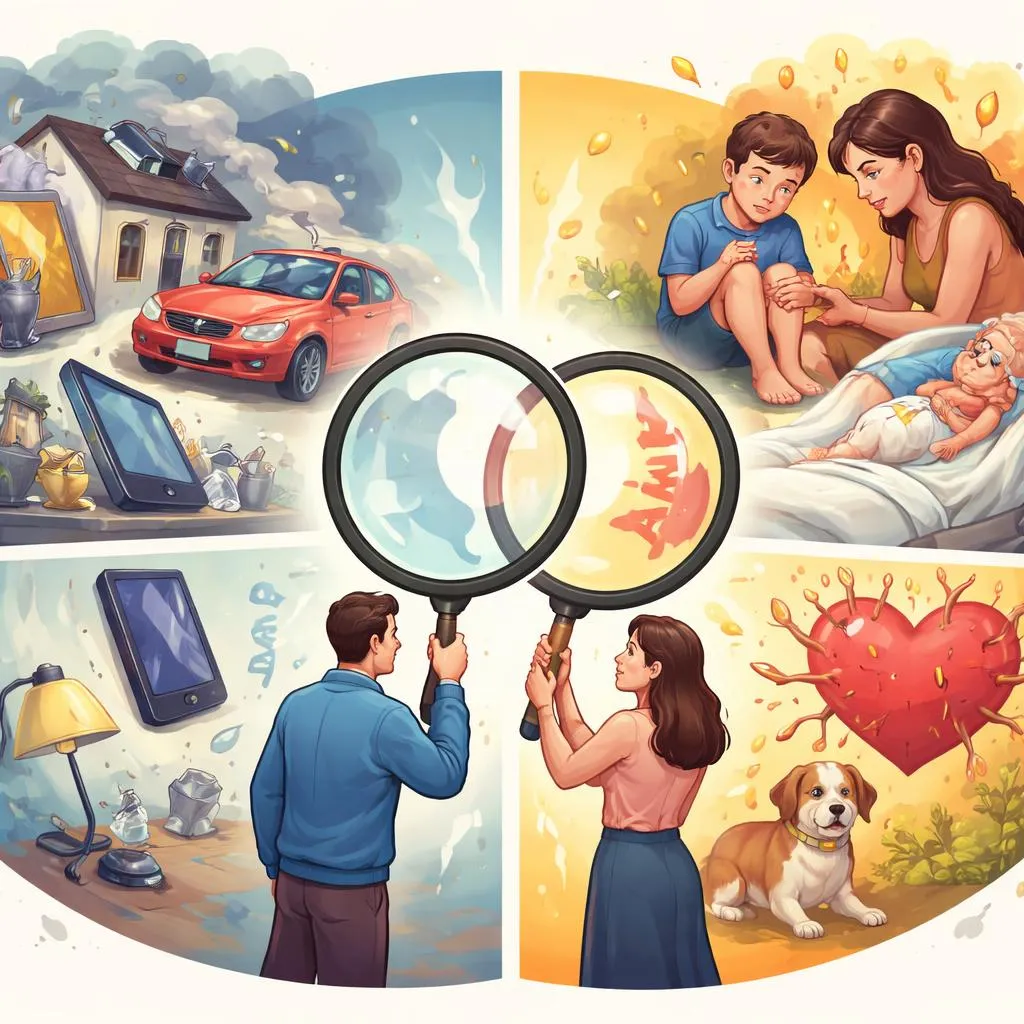

Hello, word explorer! Spilled water can damage a book. Too much sun can harm your skin. They both talk about causing something bad. But is the bad thing the same? They are like two types of "bad". One is like a scratch on a toy. One is like a hurt feeling. Let's discover their secrets! Today, we explore the word friends "damage" and "harm". Knowing their secret makes you a super-careful speaker. Let's begin our safety adventure!
First, let's be Language Listeners. Listen at home. Here are two sentences. "The storm caused damage to our roof." "Reading in dim light can harm your eyes." They both involve something bad happening. A roof. Your eyes. Do they sound the same? One feels like physical breakage. One feels like causing hurt. Can you sense it? Great listening! Now, let's look closer.
Adventure! Into the World of Hurt and Breakage
Welcome to the world of bad results! "Damage" and "harm" are about bad things happening. But they focus on different bad things. Think of "damage" as a physical scratch or dent. It is about hurting a thing. Think of "harm" as a bad influence. It is about hurting a living being or its well-being. Both are "bad". But one is a "scratch". One is a "bad influence". Let's learn about each one.
Hurt to Things vs. Hurt to Living Beings Think about the word "damage". "Damage" feels like a physical mark. It often means physical hurt to objects. The hail damaged the car. The scratch damaged the table. The feeling is about broken parts. Now, think about "harm". "Harm" feels like a cause of pain or trouble. It often means hurt to living things or their health. Smoking can harm your lungs. Mean words can harm a friendship. The feeling is about negative effects. "Damage" is the physical scratch. "Harm" is the cause of trouble. One is to objects. One is to life.
Visible and Physical vs. Invisible and Broad Let's compare their uses. You often see "damage". It is often visible. Fire damage. Water damage. You often feel or know "harm". It can be invisible. It is broader. Pollution can harm the environment. A secret can harm trust. The feeling is different. "Damage" is often about things you can touch. "Harm" is about effects you can feel. A flood can damage a house. A lie can harm your reputation. One is physical. One is about well-being.
Their Special Word Partners and Common Uses Words have best friends. "Damage" loves words about physical objects and accidents. Property damage. Brain damage. Cause damage. "Harm" loves words about living things and safety. Cause harm. No harm done. Harmful effects. Note: You "repair damage". You "prevent harm". You can have "storm damage" to a building. You can have "emotional harm" to a person. "Damage" is often a noun for the result. "Harm" is often a verb for the action.
Let's visit a school scene. Graffiti can damage school property. This is physical hurt to walls and desks. Bullying can harm a student's feelings. The word "damage" fits the physical marks on property. The word "harm" fits the hurt to a person's emotions and well-being. One is to things. One is to a person.
Now, let's go to the playground. Rough play can damage the playground equipment. This is about breaking the swing or slide. Pushing someone can harm them. The word "damage" fits the broken equipment. The word "harm" fits the potential injury to a person. One is to the object. One is to the player.
Our Little Discovery So, what did we find? "Damage" and "harm" are both bad. But "damage" usually means physical hurt to objects or property. It is often visible. "Harm" usually means to cause hurt, injury, or trouble to living things, health, or relationships. It can be physical or not. A ball can damage a window. Loud noise can harm your ears. "Damage" is the physical scratch. "Harm" is the cause of trouble.
Challenge! Become a Safety Word Champion
Ready for a nature test? Let's try your new skills!
"The Best Choice" Challenge Let's imagine a nature scene. Strong winds can damage a bird's nest. The nest is a physical thing that gets broken. Pesticides can harm helpful insects like bees. The word "damage" wins for the physical breaking of the nest, the object. The word "harm" is the champion for causing ill effects to the living bees' health. One is to a thing. One is to a living creature.
"My Sentence Show" Your turn to create! Here is your scene: A rainy day. Can you make two sentences? Use "damage" in one. Use "harm" in one. Try it! Here is an example: "The heavy rain might damage the garden fence." This is about physical hurt to an object. "Getting soaked in the cold rain could harm your health." This is about causing hurt to a person's well-being. Your sentences will show hurt to a thing versus hurt to health!
"Eagle Eyes" Search Look at this sentence. Can you find the word that could be better? Let's check a home context. "Leaving your toys outside will harm them." Hmm. Toys are objects. The more common and precise word for hurt to objects is "damage". "Harm" is usually for living things. A better sentence is: "Leaving your toys outside will damage them." Using "damage" fits the idea of physical wear and tear on objects. "Harm" sounds a bit odd for toys. Did you spot it? Super thinking!
Harvest and Action! Turn Knowledge Into Your Superpower
Great exploring! We started thinking "damage" and "harm" were similar. Now we know they point to different kinds of bad results. "Damage" is the word for physical hurt to objects, property, or things. It is often visible, like a crack or a tear. "Harm" is the word for causing hurt, injury, or negative effects, especially to living things, their health, or non-physical things like feelings or the environment. You can now describe problems with perfect clarity.
What you can learn from this article: You can now see that "damage" usually means physical hurt or injury to objects and things. It is the scratch on the car, the tear in the book, or the broken window. You can now understand that "harm" usually means to cause hurt or injury, especially to living things, health, or well-being. It is what bad chemicals do to fish, what mean words do to feelings, or what a fall can do to your body. You know that a rough game can damage the grass. The same game could harm a player. You learned to match the word to the target: "damage" for hurt to things; "harm" for hurt to life and well-being.
Life practice application: Try your new skill today! Be a careful word expert. If you see a broken toy, you can say it is damaged. If you hear about something unhealthy, you can say it is harmful. Be careful not to damage library books. Be kind so you do not harm anyone's feelings. You are now a master of these words! Use "damage" for talking about broken objects. Use "harm" for talking about hurt to people, animals, or nature. Your way of talking about safety and problems will be perfectly clear!