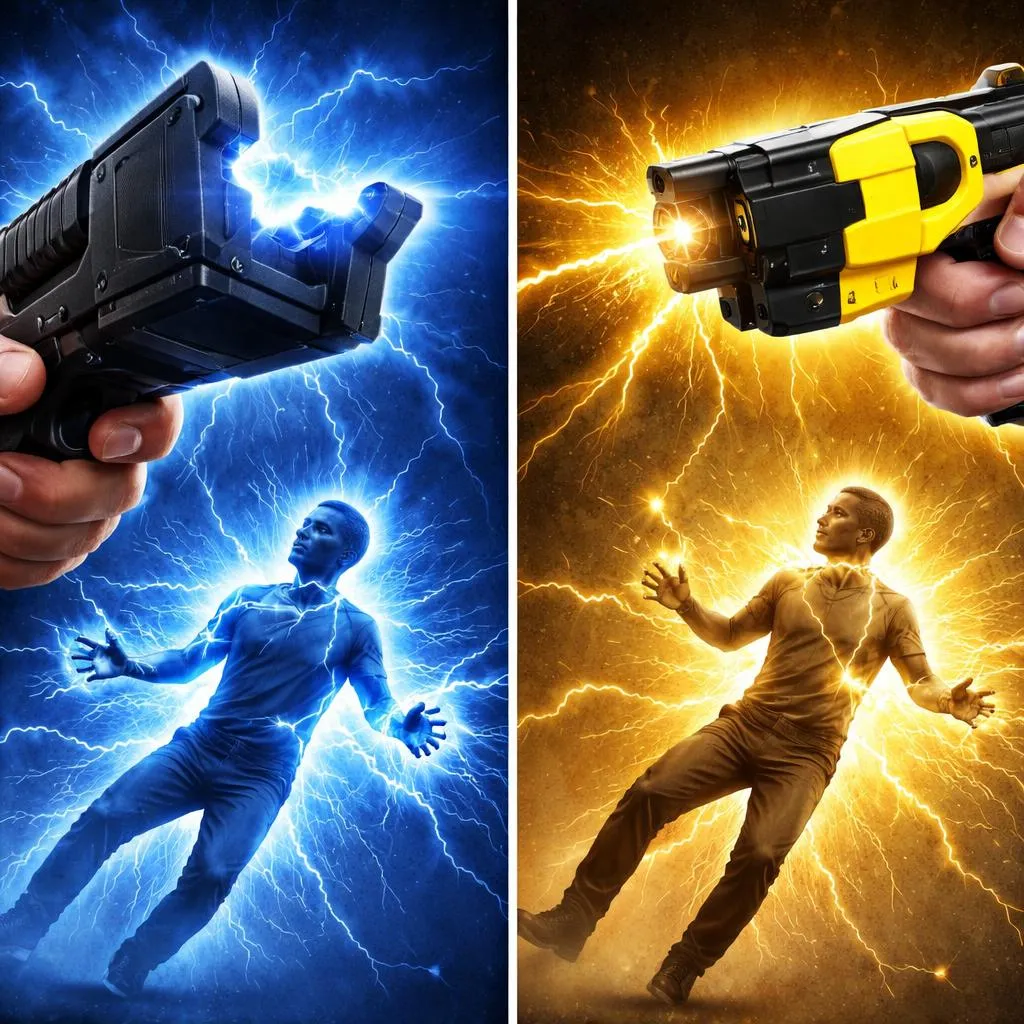

Hello, reaction explorer! A loud crash gives you a shock. Amazing news can leave you stunned. They both describe big reactions. But are they the same feeling? They are like two different types of lightning. One is a bright, sudden flash. One is the thunder that leaves you quiet. Let's discover their secrets! Today, we explore the word friends "shock" and "stun". Knowing their secret makes you a reaction expert. Let's begin our feeling adventure!
First, let's be Language Listeners. Listen at home. Here are two sentences. "The loud thunder gave me a shock." "The magician's final trick stunned the audience." They both cause a strong reaction. Thunder. A magic trick. Do they sound the same? One feels like a sudden, sharp scare. One feels like being frozen in wonder. Can you sense it? Great listening! Now, let's look closer.
Adventure! Into the World of Big Reactions
Welcome to the world of strong feelings! "Shock" and "stun" are about very strong reactions. But they are different types of strong. Think of "shock" as a sudden jolt. It is a quick, powerful surprise. It can be bad or just very surprising. Think of "stun" as being frozen. It is a deeper state. You are so surprised you can't move or speak. Both are "strong". But one is a "jolt". One is a "freeze". Let's learn about each one.
A Sudden Jolt vs. Being Frozen in Place Think about the word "shock". "Shock" feels like touching a doorknob. Zap! It is sudden and sharp. Bad news can shock you. A cold splash can shock you. The feeling is a powerful, instant surprise. Now, think about "stun". "Stun" feels like being turned to stone. You are so surprised you stop. Amazing beauty can stun you. A huge gift can stun you. The feeling is a deep, quiet awe. "Shock" is the electrical zap. "Stun" is the statue after the zap. One is the event. One is the result.
Often Unpleasant vs. Often from Wonder Let's compare their common causes. A "shock" is often from something bad or very unexpected. A scary noise is a shock. A failed test is a shock. Being "stunned" is often from something amazing or hard to believe. Great talent can stun you. A kind act can stun you. The feeling is different. "Shock" often carries a negative or scary feel. "Stun" often carries a positive or awe-filled feel. You get a shock from a fall. You are stunned by a victory. One is a scare. One is awe.
Their Special Word Partners and Common Uses Words have best friends. "Shock" loves words about bad news, electricity, and sudden events. A terrible shock. Culture shock. In shock. "Stun" loves words about silence, beauty, and total surprise. Stun into silence. A stunning view. I was stunned. Note: Something can "shock" you. The news shocked us. You are "in shock". He is in shock. Something can "stun" you. The sight stunned me. You are "stunned". She was stunned.
Let's visit a school scene. Your teacher announces a pop quiz. The class gasps in shock. This is the sudden, unpleasant surprise. Your friend wins the big art prize. You are stunned by her skill. The word "shock" fits the sudden, unwelcome surprise of a quiz. The word "stun" fits the frozen, amazed feeling at your friend's big win. One is a jolt. One is a freeze.
Now, let's go to the playground. The roller coaster's first drop gives you a shock. This is the sudden, thrilling scare. You see a friend do an amazing backflip. His skill stuns everyone. The word "shock" fits the sudden physical jolt of the drop. The word "stun" fits the awed, frozen reaction to an incredible skill. One is the thrill. One is the awe.
Our Little Discovery So, what did we find? "Shock" and "stun" are about very strong surprise. But "shock" is the sudden, often unpleasant jolt of surprise, like a scare or bad news. "Stun" is the result—a state of being so amazed or surprised that you are temporarily unable to react or speak. A loud bang gives you a shock. A magical sight leaves you stunned. "Shock" is the instant zap. "Stun" is the frozen silence after.
Challenge! Become a Reaction Word Champion
Ready for a nature test? Let's try your new skills!
"The Best Choice" Challenge Let's imagine a nature scene. A small animal feels a shock from a loud crack of thunder. This is the sudden, scary jolt. The same animal sees a huge eagle shadow. It is stunned with fear. It cannot move. "Shock" wins for the sudden, loud noise that startles. "Stun" is the word for the frozen, unable-to-move state from seeing the predator. One is the startling event. One is the frozen result.
"My Sentence Show" Your turn to create! Here is your scene: Watching a super exciting soccer game final. Can you make two sentences? Use "shock" in one. Use "stun" in one. Try it! Here is an example: "The other team's last-minute goal was a huge shock." This is the sudden, unpleasant surprise event. "The amazing goal stunned the cheering crowd into silence." This is the awed, frozen reaction of the fans. Your sentences will show a sudden jolt versus a frozen state!
"Eagle Eyes" Search Look at this sentence. Can you find the word that could be better? Let's check a home context. "The quiet library stunned me when I walked in." Hmm. A quiet library is normal, not amazingly surprising. The word "stunned" suggests being frozen in awe or extreme surprise. The word "shocked" is a better choice for a mild, sudden surprise. A better sentence is: "The sudden noise in the quiet library shocked me." Using "shocked" fits a sudden, surprising sound. "Stunned" is too strong for a quiet room. Did you spot it? Super thinking!
Harvest and Action! Turn Knowledge Into Your Superpower
Great exploring! We started thinking "shock" and "stun" were similar. Now we know they are two different parts of a huge reaction. "Shock" is the word for the sudden, often scary or very surprising jolt that hits you, like an electric shock, a shock from bad news, or the shock of cold water. "Stun" is the word for the state of being so amazed, surprised, or overwhelmed that you are frozen for a moment, like being stunned by great beauty, stunned into silence, or stunned by incredible news. You can now talk about big reactions with perfect clarity.
What you can learn from this article: You can now see that a "shock" is the sudden, sharp feeling you get from something very unexpected and often unpleasant, like a loud noise, bad news, or a scare. It is the quick, powerful hit. You can now understand that to be "stunned" is the feeling that comes after—a state where you are so surprised or amazed that you might stop moving or talking, like being stunned by a magic trick, a stunning victory, or a stunning view. It is the frozen result. You know that a jump scare in a movie gives you a shock. A perfect score on a hard test might leave you stunned. You learned to match the word to the moment: "shock" for the sudden hit; "stun" for the frozen result.
Life practice application: Try your new skill today! Be a reaction word expert. Hearing sudden, bad news? That is a shock. Seeing something unbelievably beautiful? It might stun you. If you spill your drink, it's a shock. If you see a double rainbow, it could be stunning. You are now a master of these words! Use "shock" for the sudden, often scary surprise. Use "stun" for the amazing thing that leaves you speechless. Your way of describing big moments will be perfectly clear!