
What Is This Plant?
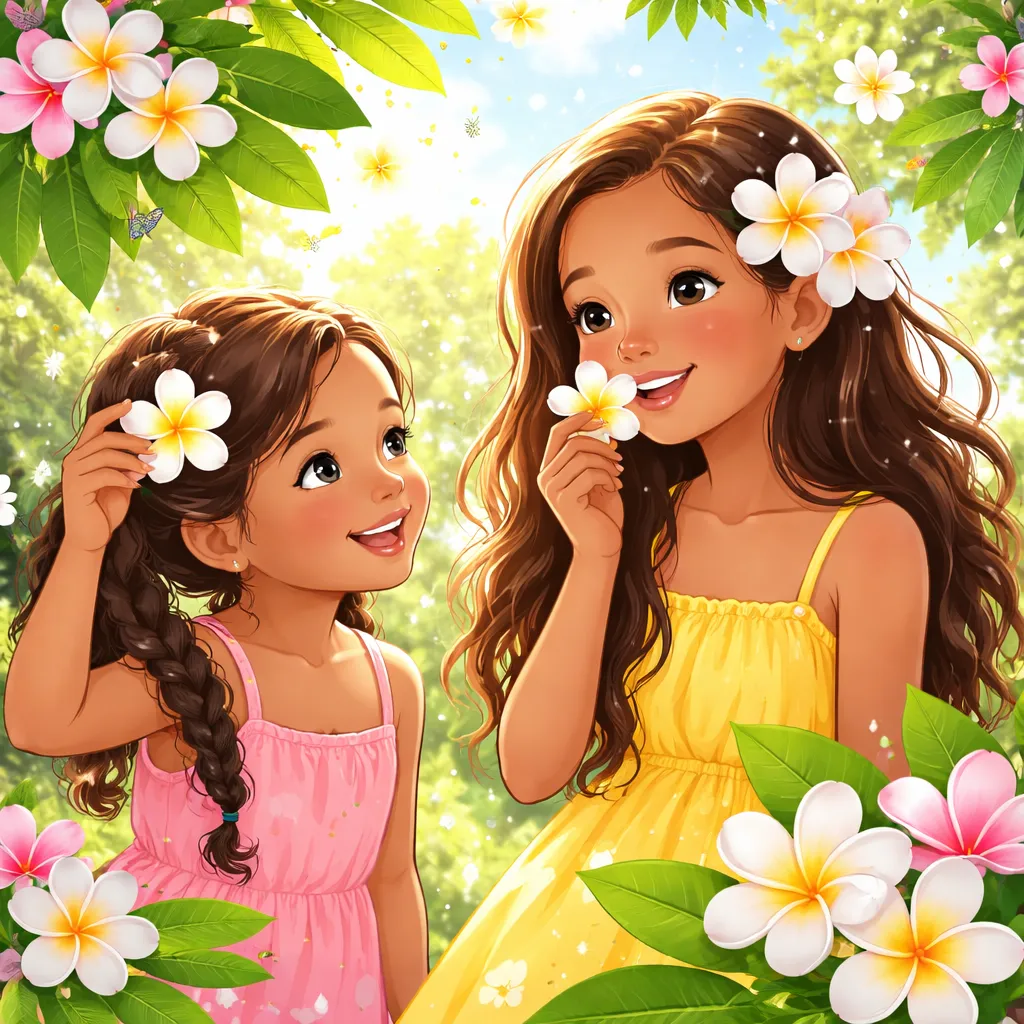
The plumeria plant is a tropical tree or shrub known for its beautiful, fragrant flowers. It grows as a small tree with thick, gray branches. The branches are fleshy and contain a milky sap. The leaves are large and oblong. They are dark green with prominent veins. The leaves grow in clusters at the ends of the branches. The flowers are the treasure. They have five waxy petals. The petals are oval and overlapping. They come in white, yellow, pink, red, and many combinations. The center of the flower is often a different color. The scent is sweet and strong. It is most intense in the evening. For children, plumeria flowers are like little jewels. They are perfect for wearing behind the ear. Parents can plant plumeria in warm climates. Children can pick the flowers and wear them. This plant teaches children about tropical beauty and the joy of simple adornment.
English Learning About This Plant
The English name “plumeria” honors the French botanist Charles Plumier. The plant is also called “frangipani.” The pronunciation is “plu-mer-ee-a.” The International Phonetic Alphabet (IPA) is /pluːˈmɛriə/. The word has four syllables. Children can say it: plu-mer-ee-a. When we learn about plumeria plant, we learn words for its parts. The leaf is the large, oblong, dark green part. The stem is the thick, gray, fleshy part. The flower is the five-petaled, waxy, fragrant blossom. The petal is the oval, overlapping part of the flower. The sap is the milky liquid inside the stems. These words help children describe this tropical treasure.
There is a famous saying about plumeria. It goes, “Plumeria is the flower of paradise.” Another saying says, “A plumeria behind the ear means you are open to love.” In Hawaiian culture, wearing a flower behind the ear has meaning. Behind the right ear means you are available. Behind the left ear means you are taken. Parents can share these words with their child. They become gentle lessons about culture and the language of flowers.
Plant Facts and Scientific Knowledge
The plumeria plant belongs to the genus Plumeria. There are about 20 species. Plumerias are native to tropical regions of the Americas, including Mexico, Central America, and the Caribbean. They are members of the dogbane family, Apocynaceae. The most common species is Plumeria rubra.
Plumeria flowers have five petals. The petals are waxy and thick. They can be white, yellow, pink, red, or orange. Many have a yellow center. The flowers are very fragrant. The scent is sweet and citrusy. It is strongest in the evening. This attracts night-flying moths that pollinate the flowers.
Plumeria leaves are large and leathery. They grow in clusters at the ends of the branches. The branches are thick and fleshy. They contain a milky sap. The sap can be irritating. The tree loses its leaves in winter in cooler climates.
Plumeria flowers are used to make leis in Hawaii. A lei is a garland of flowers given as a welcome or a gift. Plumeria leis are very popular. The flowers are also used in perfumes.
Plumeria has symbolic meaning. It represents beauty, grace, and new beginnings. In Hawaiian culture, it represents positivity and the spirit of aloha. It is the flower of paradise.
How to Grow and Care for This Plant
Growing a plumeria plant requires a warm climate. It cannot tolerate frost. Plant in spring. Choose a sunny spot. Plumeria needs at least six hours of sunlight each day. It needs well-drained soil. It grows well in pots.
Plant a cutting or small tree. Dig a hole twice as wide as the root ball. Place the plant in the hole. Fill with soil. Water well. Children can help by holding the plant straight while you fill the hole.
Water plumeria regularly during the growing season. Let the soil dry between waterings. They are drought-tolerant. Overwatering causes rot. In winter, water very little.
Fertilize plumeria in spring and summer. Use a fertilizer high in phosphorus. This encourages blooming. Too much nitrogen creates leaves but fewer flowers. Plumeria grows slowly. It may take a few years to bloom from a cutting.
In cold climates, grow plumeria in a pot. Bring it indoors for winter. Place it in a sunny window. It will lose its leaves. Water very little. In spring, move it back outside.
Benefits of Growing This Plant
Growing a plumeria plant brings many gifts to a family. First, the flowers are beautiful and fragrant. They fill the garden with sweet scent. Second, the flowers are perfect for wearing. Children can pick them and put them behind their ears.
Plumeria flowers are used to make leis. Children can make their own flower garlands. This connects the plant to craft and tradition.
The plant teaches about tropical beauty. It reminds children of vacations and warm places. It brings a sense of paradise to the garden.
Plumeria also teaches about patience. It may take time to bloom. Children learn that good things are worth waiting for.
What Can We Learn From This Plant
A plumeria plant teaches children about beauty. The flowers are perfect and fragrant. Children learn that they can be beautiful in their own way.
Plumeria also teaches about giving. The flowers are given as leis. They welcome people. Children learn that giving a flower can say “welcome” or “I care about you.”
Another lesson is about culture. The flower has meaning in different cultures. Children learn that flowers can be part of tradition and celebration.
Plumeria also teaches about fragrance. The scent is strongest in the evening. Children learn that some gifts are hidden until the right time.
Fun Learning Activities
There are many simple activities to help children learn about plumeria plant. One activity is a flower hair activity. Pick a plumeria flower. Put it behind your ear. Explain the meaning. Let your child choose which ear to wear it on. This builds cultural awareness.
Another activity is a lei making activity. Pick several plumeria flowers. String them on a thread. Make a simple lei. Wear it or give it as a gift. This builds fine motor skills and generosity.
A nature journal works well for plumeria. Draw the large, oblong leaves. Draw the five-petaled, waxy flowers. Draw the thick, gray branches. Label the parts: leaf, stem, flower, petal. Write the date when the first flower opened.
For art, try painting plumeria. Use white, yellow, and pink paint. Paint the five oval petals. Add the yellow center. Paint the large, dark green leaves. This creates a beautiful tropical picture.
Vocabulary games are fun too. Write the words plumeria, leaf, stem, flower, petal, and lei on cards. Say each word. Ask your child to point to the part on the plant. Practice saying plumeria together. Clap the syllables: plu-mer-ee-a.
Finally, try a fragrance activity. Smell the plumeria flower at different times of day. Is it stronger in the morning or evening? This builds sensory observation and awareness of plant rhythms.
Through these activities, children build a deep connection with a plant that gives perfect, fragrant flowers. They learn new words, make leis, and discover the joy of wearing flowers. The plumeria plant becomes a symbol of tropical beauty and giving. Each time they see plumeria, children remember that they can give a flower to welcome someone. They remember that beauty can be worn and shared. This fragrant tree opens a world of tropical wonder, cultural tradition, and the lasting joy of flowers that smell like paradise.