
A Friendly Hello and First Impressions
Mbote! (mm-BOH-tay). This is a warm "Hello" in Lingala. Merci! (mehr-SEE). This is "Thank you" in French. People use both every day. Lingala and French are the main languages. Learning reading about Congo (Republic of the) starts with these friendly, musical words.
The Republic of the Congo is in Central Africa. Its shape looks like a long, leaning rectangle. The country sits on the Equator. The mighty Congo River forms its eastern border. The Atlantic Ocean touches its short western coast. Gabon, Cameroon, and the Democratic Republic of the Congo are its neighbors. It is a land of dense, green forests.
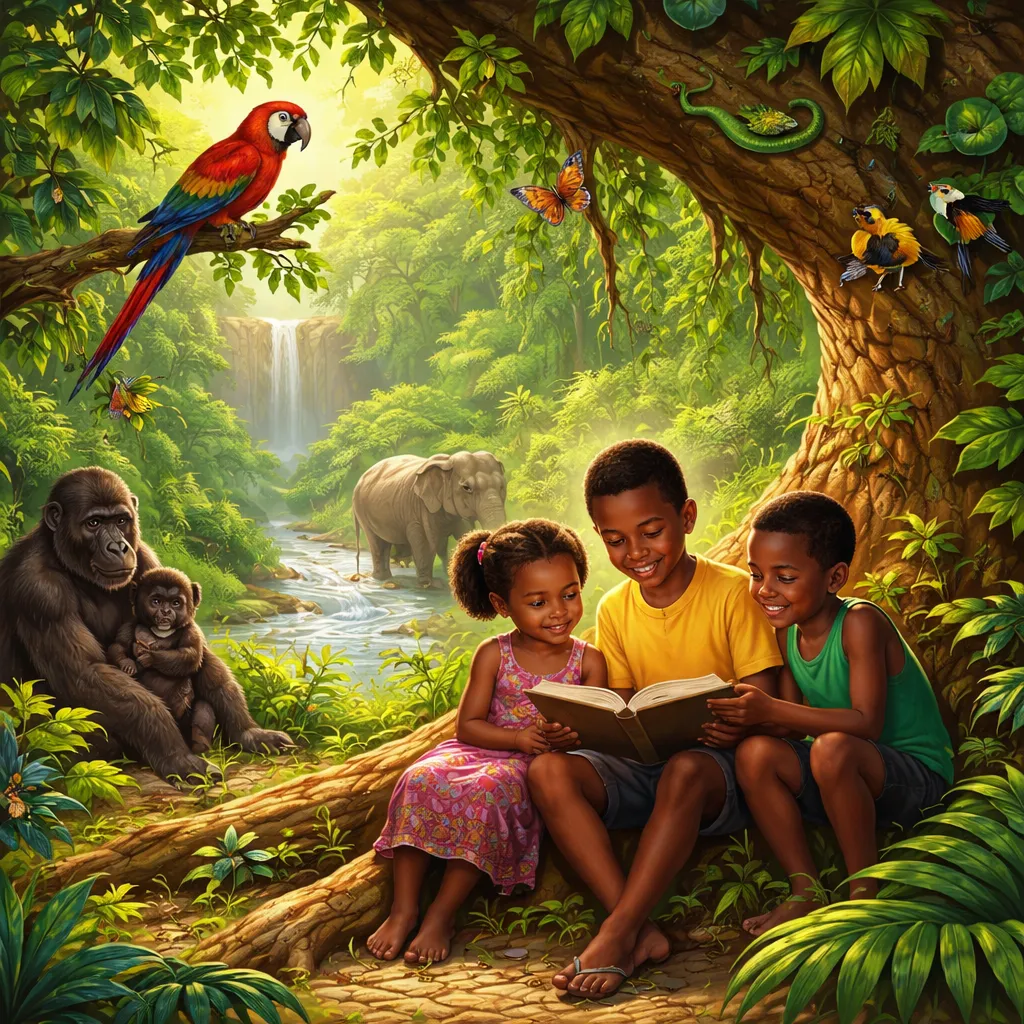
People call it "Congo-Brazzaville". This is to tell it apart from its larger neighbor. Brazzaville is its capital. Another nickname is the "Heart of the Green". Over 60% of the country is covered in rainforest. It is part of the Congo Basin. This is the world's second largest rainforest. What songs does this green heart sing?
Deep Dive into Culture and Stories
Echoes of History
A key figure in modern history is Charles de Gaulle. He was the French general. During World War II, Brazzaville became important. It was the capital of Free France. The Brazzaville Conference happened here in 1944. This meeting shaped France's African policy. It is a key moment for learning reading about Congo (Republic of the). It connects the country to world history.
Long before that, the land had powerful kingdoms. The Kongo and Teke kingdoms were strong. They traded with Europeans. Then the area became a French colony. It was called French Congo. The country gained independence in 1960. Its first president was Fulbert Youlou.
A Gift of a Close Relative
The country gives the world knowledge of the bonobo. This is a great ape. It is one of our closest animal relatives. Bonobos are very smart and peaceful. They live only in the rainforests south of the Congo River. Scientists study them to learn about primate behavior. They show us a different model of society. This unique animal is a gift of natural history.
A Land of Rivers and Forests
The geography has two main regions. The north is dense tropical rainforest. The south has forest and savanna. A large coastal plain is in the southwest. The Congo River and its tributaries are everywhere. They are like watery roads. The land is mostly flat. The Chaillu Mountains are in the center.
The climate is hot and humid. It is equatorial. Rain is common all year. The environment shapes life. In the forest, people hunt, fish, and gather. They grow cassava and bananas. On the coast, people work in the oil industry. Houses in villages are often made of wood with thatched roofs. In cities, concrete buildings are common.
A special animal is the western lowland gorilla. It lives in the northern rainforest. It is strong, shy, and lives in families. The national animal is the leopard. It represents strength and elegance. The national flower is the orchid. Many types grow in the forest. The mahogany tree provides valuable timber.
Landmarks of Water and Culture
Visit the Loufoulakari Falls. They are near the capital, Brazzaville. The falls are on the Loufoulakari River. The water crashes over dark rocks. The surrounding forest is lush and green. It is a popular spot for picnics. A local story says a water spirit lives there. The spirit brings good luck to visitors. The falls are a beautiful, peaceful place.
See the Basilique Sainte-Anne. It is in Brazzaville. It was built in 1949. The basilica is famous for its green roof. The roof is made of copper. It has turned green over time. The building's architecture is unique. It mixes modern and traditional styles. The stained glass windows are colorful. It is a landmark of the city.
Another wonder is the Nouabal谷-Ndoki National Park. It is in the north. It is a vast, untouched rainforest. It is a UNESCO World Heritage site. You can see forest elephants, gorillas, and chimpanzees. The park is for research and conservation. It is a true wilderness. It feels like stepping into a primeval world.
Festivals of Rhythm and Celebration
The biggest festival is FESPAM. This is the Pan-African Music Festival. It happens in Brazzaville every two years. Musicians from all over Africa come. They play jazz, soul, and traditional music. The city fills with sound for a week. The festival celebrates African musical roots. It is lively and joyful.
Independence Day is on August 15th. It marks freedom from France in 1960. There is a big military parade. People line the streets to watch. The national flag is everywhere. The colors are green, yellow, and red. A diagonal red stripe runs through the middle. The day is full of patriotic speeches and concerts.
Food and Flavors
The national dish is Poulet Moamb谷. It is chicken in a rich, red sauce. The sauce is made from palm nuts. It is thick, oily, and flavorful. The dish is served with fufu or rice. Fufu is a dough made from cassava. Families eat it for special Sunday meals. It tastes rich, savory, and like a celebration.
You must try Cassava Leaves. They are called "Saka-Saka". The leaves are boiled and crushed. They are cooked with peanuts, fish, or meat. The dish is green and hearty. It is served with cassava or plantains. It is a common everyday meal. It tastes earthy, nutritious, and comforting.
A Culture of Rhythm and Conservation
Music is central to life. A famous style is soukous. It is dance music from Central Africa. It has fast guitar rhythms. Artists like Papa Wemba made it famous. People dance in clubs and at parties. This love for rhythm is a joyful part of learning reading about Congo (Republic of the).
The country is working to protect its rainforest. It is part of international agreements. The government creates national parks. It tries to manage logging. This is important for the whole planet. The rainforest absorbs carbon dioxide. It helps fight climate change. This role as a guardian is crucial.
Tips for Young Explorers
Cultural Manners Matter
Greetings are very important. Always greet people when you meet them. Shake hands with your right hand. A common greeting is "Mbote, na ye?" (Hello, how are you?). You should ask about the person's health and family. This shows you care. Do not rush the greeting.
Elders are highly respected. Always greet the oldest person first. Listen when they speak. Do not interrupt. Stand up when an elder enters the room. Offer them your seat. This is good manners.
When eating, use your right hand. The left hand is considered unclean. Wash your hands before and after the meal. If food is shared from a common bowl, take only from the part in front of you. Always try a bit of everything. Compliment the cook.
A Note on Staying Safe
The Republic of the Congo is generally stable. But be careful in cities. Petty theft can happen. Do not walk alone at night. Keep your belongings close. Do not show expensive phones or cameras. Be aware of your surroundings.
In rural areas, travel with a guide. The forest is dense. It is easy to get lost. Do not touch plants or animals. Some are dangerous. Your guide will keep you safe. Listen to their advice.
A Tasty Stop
Look for "beignets" on the street. They are sweet, fried dough balls. They are made from wheat flour. They are light and fluffy. People eat them for breakfast with coffee. They are cheap and delicious. Eat them hot. They are soft, sweet, and satisfying.
Healthy and Happy Travels
Drink only bottled or boiled water. This is the most important rule. Do not drink tap water. Avoid ice in drinks. Brush your teeth with bottled water. This keeps your stomach happy.
Malaria is a big risk. Take anti-malaria medicine if your doctor says. Use insect repellent. Wear long sleeves in the evening. Sleep under a mosquito net. This protects you from mosquito bites.
The sun is very strong. Wear a hat and use sunscreen. The humidity can be tiring. Drink lots of water to stay hydrated. Wear light, cotton clothing.
Your Invitation to Explore
Start your journey with music. Listen to soukous music from Congo. Hear the fast, happy guitar rhythms. Try to dance. Or, read about bonobos. Learn about their peaceful society. This is a wonderful way of learning reading about Congo (Republic of the).
Visit a natural history museum. Look for animals of the African rainforest. See a model of a gorilla or a forest elephant. Imagine the thick, green jungle. You can also draw a rainforest scene with many layers of trees.
The world is a big, ancient book. Each country is a different chapter. The Republic of the Congo's chapter is about rivers, rhythms, and rich forests. Open it with respect. Read about its music, masks, and mighty river. Your curiosity is your guide.
Families in Brazzaville share a pot of poulet moamb谷. Friends dance to soukous music. Children listen to stories from their grandparents. We all know these feelings. We love sharing meals. We enjoy music and dance. We cherish family stories. Learning about the Republic of the Congo shows us this. Our global family shares the same simple joys. Keep exploring, one page, one country, at a time. Your adventure has just begun.