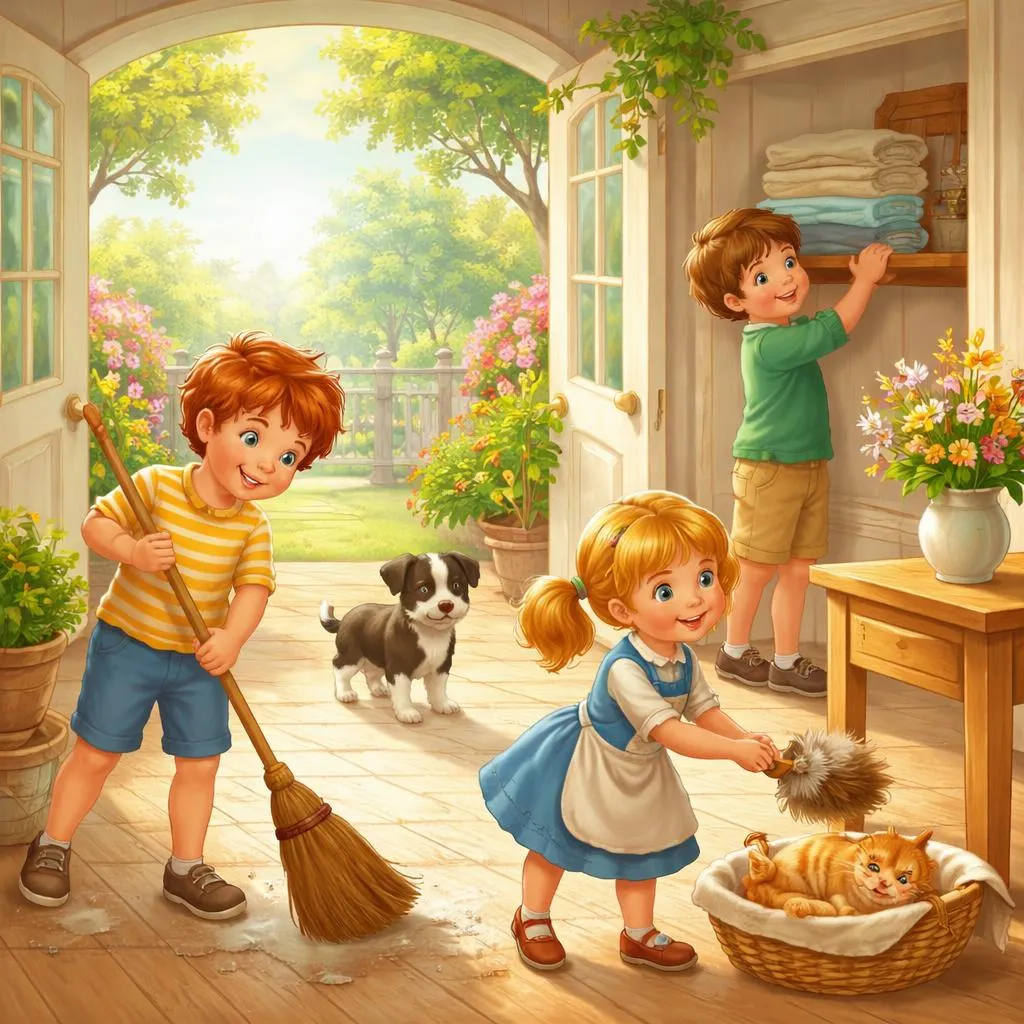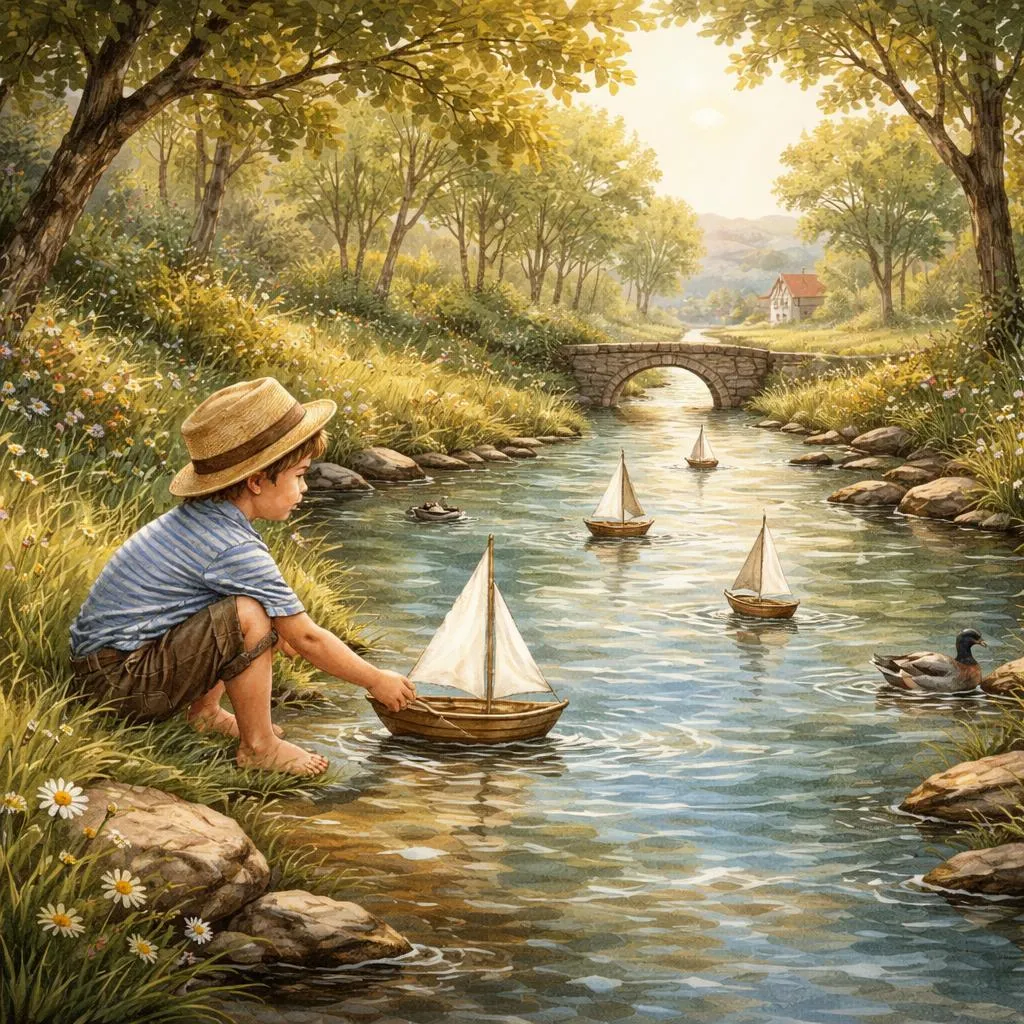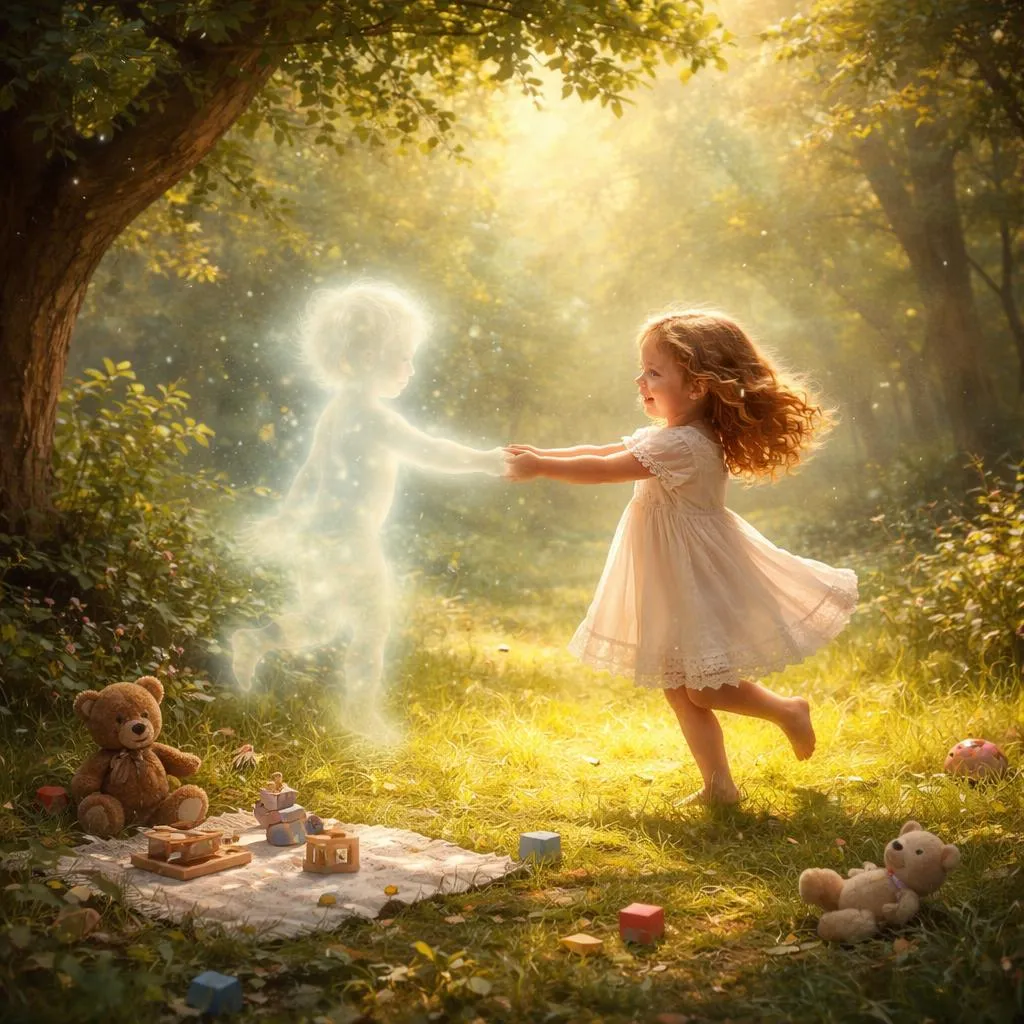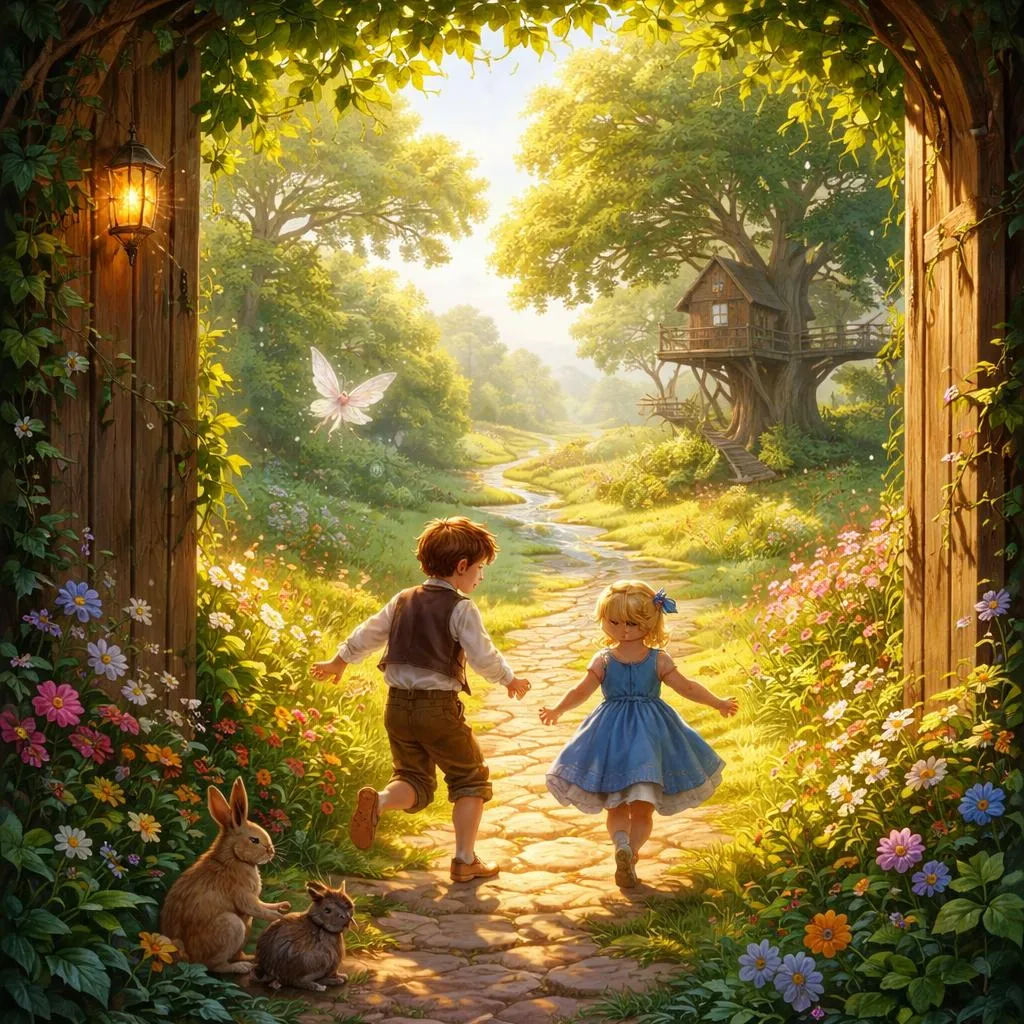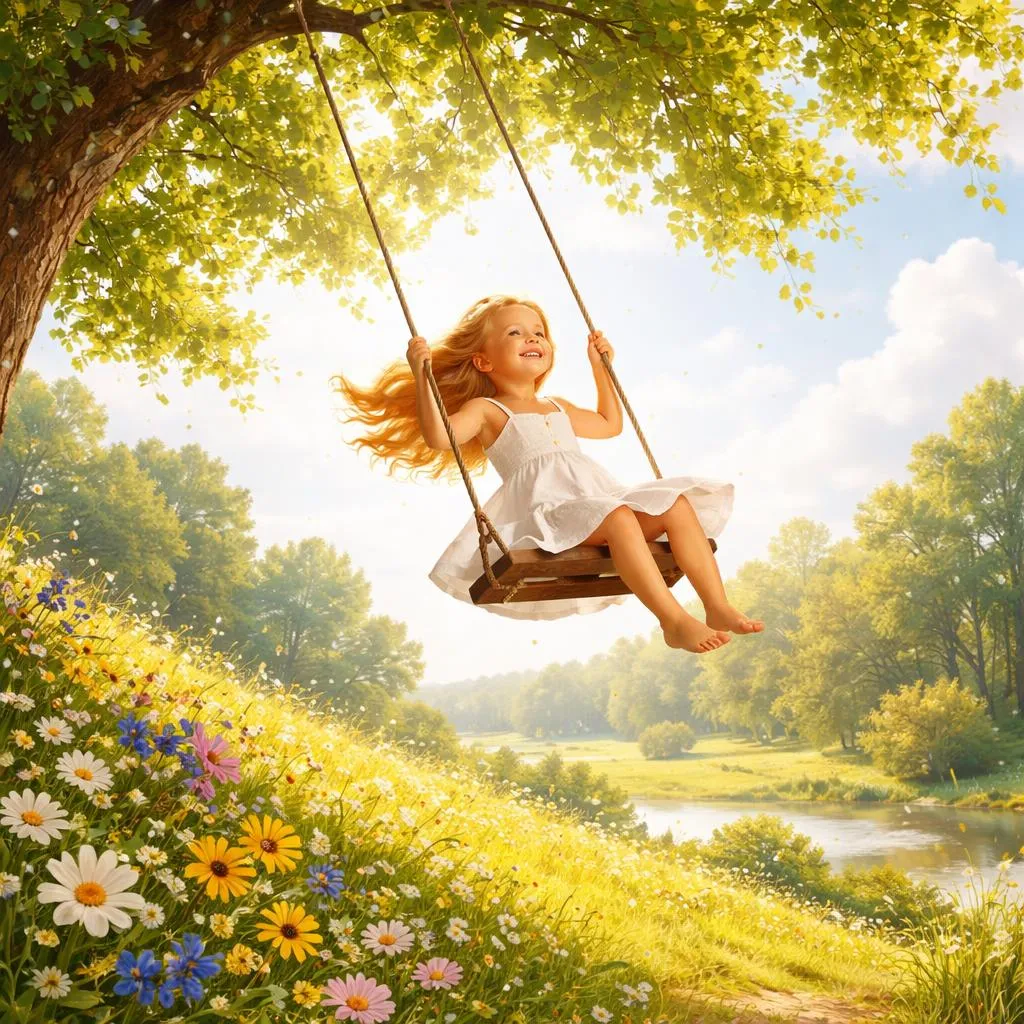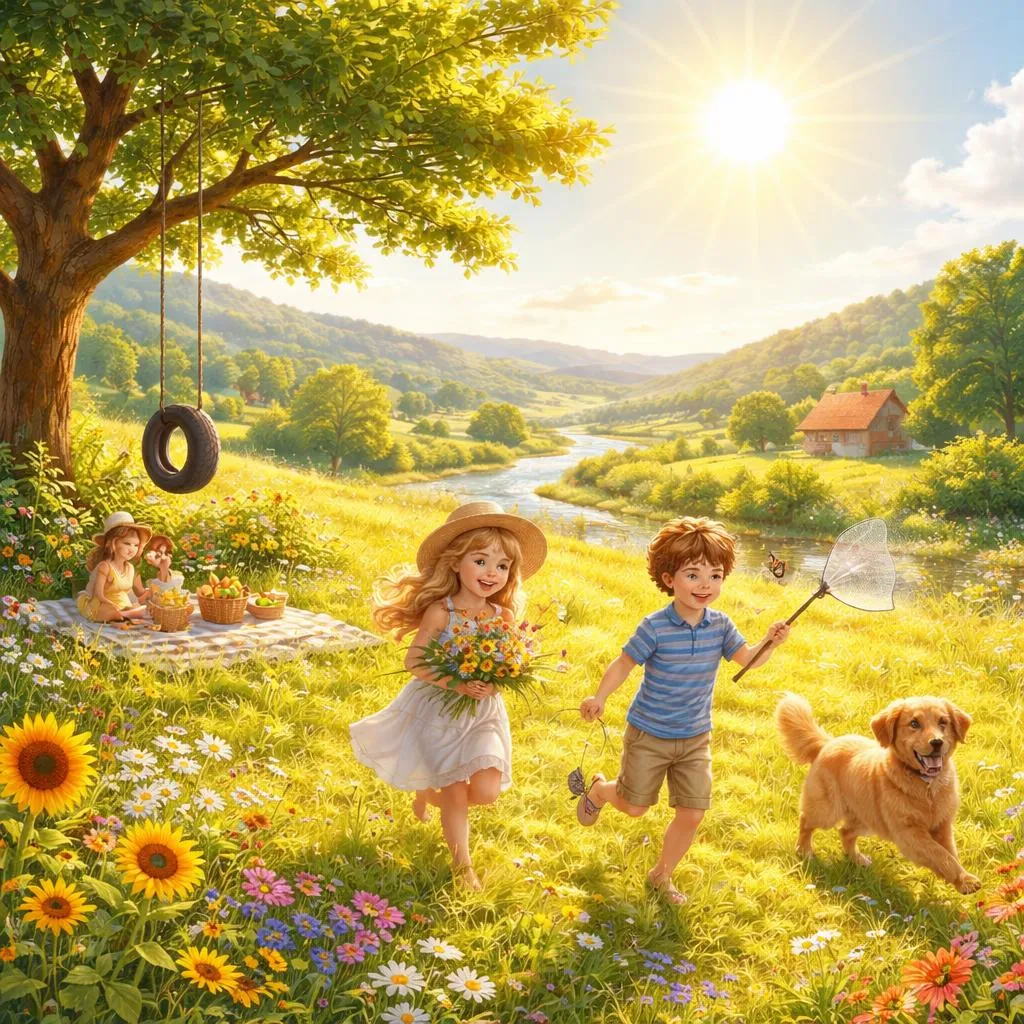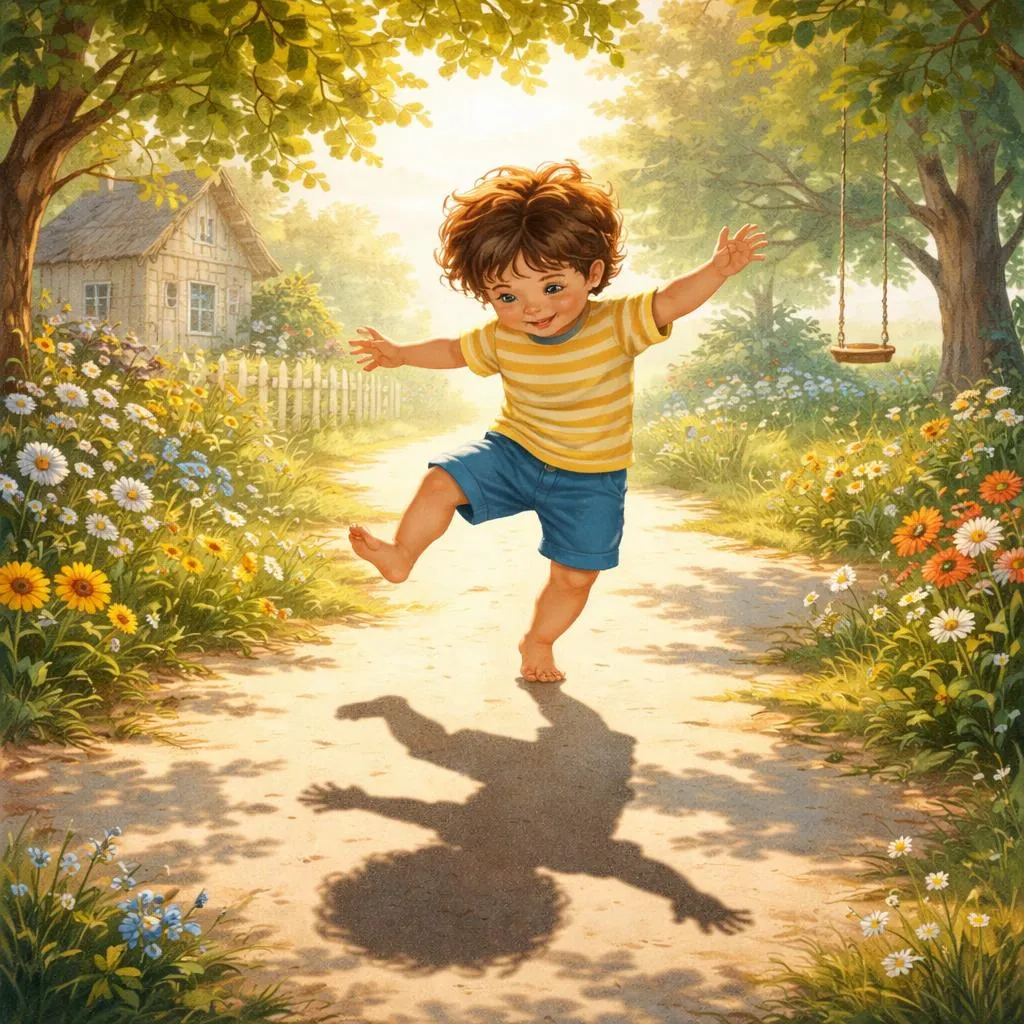

I have a little shadow that goes in and out with me, And what can be the use of him is more than I can see. He is very, very like me from the heels up to the head; And I see him jump before me, when I jump into my bed. The funniest thing about him is the way he likes to grow— Not at all like proper children, which is always very slow; For he sometimes shoots up taller like an india-rubber ball, And he sometimes goes so little that there’s none of him at all. He hasn’t got a notion of how children ought to play, And can only make a fool of me in every sort of way. He stays so close behind me, he’s a coward you can see; I’d think shame to stick to nursie as that shadow sticks to me! One morning, very early, before the sun was up, I rose and found the shining dew on every buttercup; But my lazy little shadow, like an arrant sleepy-head, Had stayed at home behind me and was fast asleep in bed.
Introduction to the Story
This charming poem, "My Shadow," was written by Robert Louis Stevenson, a famous Scottish author known for his imaginative and playful works. The poem tells the story of a child and his shadow, a silent companion that follows him everywhere. The shadow behaves in curious and surprising ways, sometimes growing tall and sometimes disappearing altogether. This simple yet delightful poem captures the wonder and mystery of childhood.
About the Author
Robert Louis Stevenson (1850-1894) was a beloved writer whose works have enchanted children and adults alike for generations. He is best known for classics such as Treasure Island and The Strange Case of Dr. Jekyll and Mr. Hyde. Stevenson had a vivid imagination and a talent for storytelling that made his characters and poems memorable and meaningful. "My Shadow" is part of his collection A Child’s Garden of Verses, which celebrates the joys, fears, and curiosities of childhood.
Detailed Interpretation and Meaning
At first glance, "My Shadow" appears to be a playful observation of a child’s shadow. However, it also explores themes of identity and companionship. The shadow is like a reflection of the child, mimicking his every move but also having a life of its own. The shadow’s unpredictable behavior—growing, shrinking, sometimes disappearing—mirrors the child’s own feelings of change and discovery.
The poem highlights the child’s curiosity and imagination, as well as a gentle sense of frustration with the shadow’s stubbornness and laziness. The shadow is both a friend and a mysterious figure, teaching children about the natural world and their own reflections in it. The poem encourages children to observe closely and think deeply about the simple things around them.
What Children and Students Can Learn
-
Observation Skills: The poem invites children to notice details in everyday life, such as how shadows change with the light and time of day. This nurtures curiosity and scientific thinking.
-
Imagination and Creativity: By personifying the shadow, the poem encourages children to use their imagination and see the world in a playful way.
-
Understanding Change: The shadow’s changing size and shape can help children understand that change is natural and can be interesting, not scary.
-
Self-awareness: The shadow acts as a metaphor for the self, prompting children to think about who they are and how they relate to the world.
-
Emotional Expression: The child’s mixed feelings toward the shadow—sometimes amused, sometimes annoyed—teach children that it’s okay to have complex emotions.
Applying the Lessons in Life, Learning, and Social Situations
-
In Daily Life: Children can explore shadows outdoors, noticing how they move and change. This hands-on experience connects poetry to the real world and encourages outdoor play and learning.
-
In Learning: Teachers can use this poem to introduce topics like light and shadow in science, or to inspire creative writing and art projects where children create their own stories or drawings about shadows.
-
In Social Settings: The poem’s theme of companionship can help children understand friendship and loyalty. Just like the shadow sticks close, good friends support and stay by each other.
-
Emotional Growth: By recognizing different feelings toward the shadow, children learn to express and manage their emotions, an important skill for social interactions.
How to Cultivate Positive Qualities from the Story
-
Curiosity: Encourage children to ask questions and explore their surroundings, just as the child in the poem notices his shadow’s behavior.
-
Imagination: Foster creative play and storytelling, helping children see the magic in everyday things.
-
Patience and Acceptance: Teach children that some things, like the shadow’s unpredictable nature, require patience and acceptance.
-
Self-Reflection: Use the shadow as a metaphor to discuss personal growth and self-awareness, helping children understand themselves better.
-
Friendship and Loyalty: Highlight the importance of being a reliable and caring friend, just as the shadow is always near.
By engaging with "My Shadow," children and students can develop a deeper appreciation for poetry, nature, and themselves. The poem’s playful tone and rich imagery make it a wonderful tool for learning and growth across many areas of life.