
Preface I have endeavoured in this Ghostly little book, to raise the Ghost of an Idea, which shall not put my readers out of humour with themselves, with each other, with the season, or with me. May it haunt their houses pleasantly, and no one wish to lay it. Their faithful Friend and Servant, C.D. December, 1843.
Introduction to the Story
This short preface comes from a very famous collection of stories written by Charles Dickens in 1843. The stories are about ghosts, but not scary ones that make you afraid. Instead, they are gentle ghosts that bring important ideas and lessons to people. Dickens wanted his readers, especially children and families, to think about kindness, generosity, and the spirit of Christmas without feeling upset or unhappy.
About the Author: Charles Dickens
Charles Dickens was a famous English writer who lived in the 19th century. He loved telling stories that showed both the good and bad parts of life. Dickens cared deeply about people who were poor or treated unfairly, and many of his stories teach lessons about kindness, fairness, and helping others. His writing is still loved by people all over the world today.
The Background of the Story
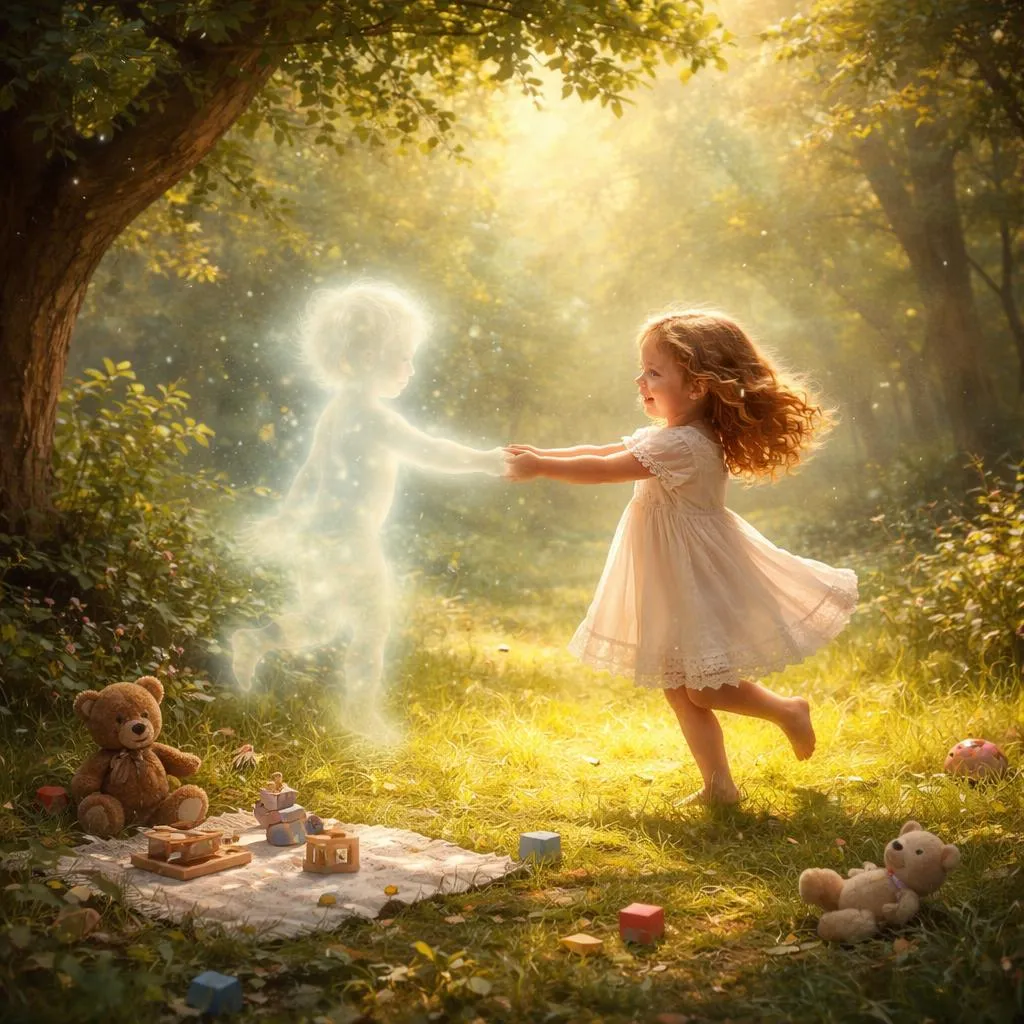
This preface introduces the idea of a "ghost" not as a scary spirit, but as a symbol of an idea or feeling that stays with us. Dickens wrote this before his famous story "A Christmas Carol," which is about a man visited by three ghosts who help him change his ways and become kinder. The "ghost" in this preface represents the hope that his story will inspire people to be better and happier.
Detailed Explanation and Meaning
The author says he hopes the "ghost" of his idea will "haunt" the readers' homes in a pleasant way. This means he wants the story to stay in their minds and hearts, encouraging them to think about how they treat themselves and others. He also hopes no one will want to "lay it," which means no one will want to stop thinking about these good ideas.
The message is about being kind to yourself and others, enjoying the season (Christmas), and feeling good about the world. Dickens wants his readers to feel hopeful and joyful, not angry or sad.
What Children and Students Can Learn
- Kindness and Compassion: The story encourages us to be kind to ourselves and to others. Understanding and caring about people’s feelings is very important.
- Reflection and Improvement: Just like the "ghost" idea that stays with you, children can learn to think about their actions and try to be better every day.
- Enjoying the Season: The story reminds us to enjoy special times like holidays with family and friends.
- Positive Attitude: The idea that stories can inspire good feelings shows how important it is to have a positive outlook in life.
How to Use These Lessons in Daily Life
- At Home: Children can practice kindness by helping family members and sharing their feelings.
- At School: Students can be good friends, listen to others, and work together to solve problems.
- In Social Situations: Being thoughtful and respectful helps build strong friendships.
- In Learning: Reflecting on mistakes and successes helps children grow and improve.
Developing Positive Behaviors and Spirit
- Practice Empathy: Try to understand how others feel and help when you can.
- Be Grateful: Appreciate the good things in life and show thanks to people around you.
- Share Joy: Celebrate special moments with others and spread happiness.
- Be Open to Change: Like the characters in Dickens’ stories, be willing to learn and become better.
By remembering the gentle "ghost" of kindness and good ideas, children and students can grow into caring, thoughtful, and joyful people. This story’s spirit encourages everyone to live with kindness in their hearts and to make the world a better place.