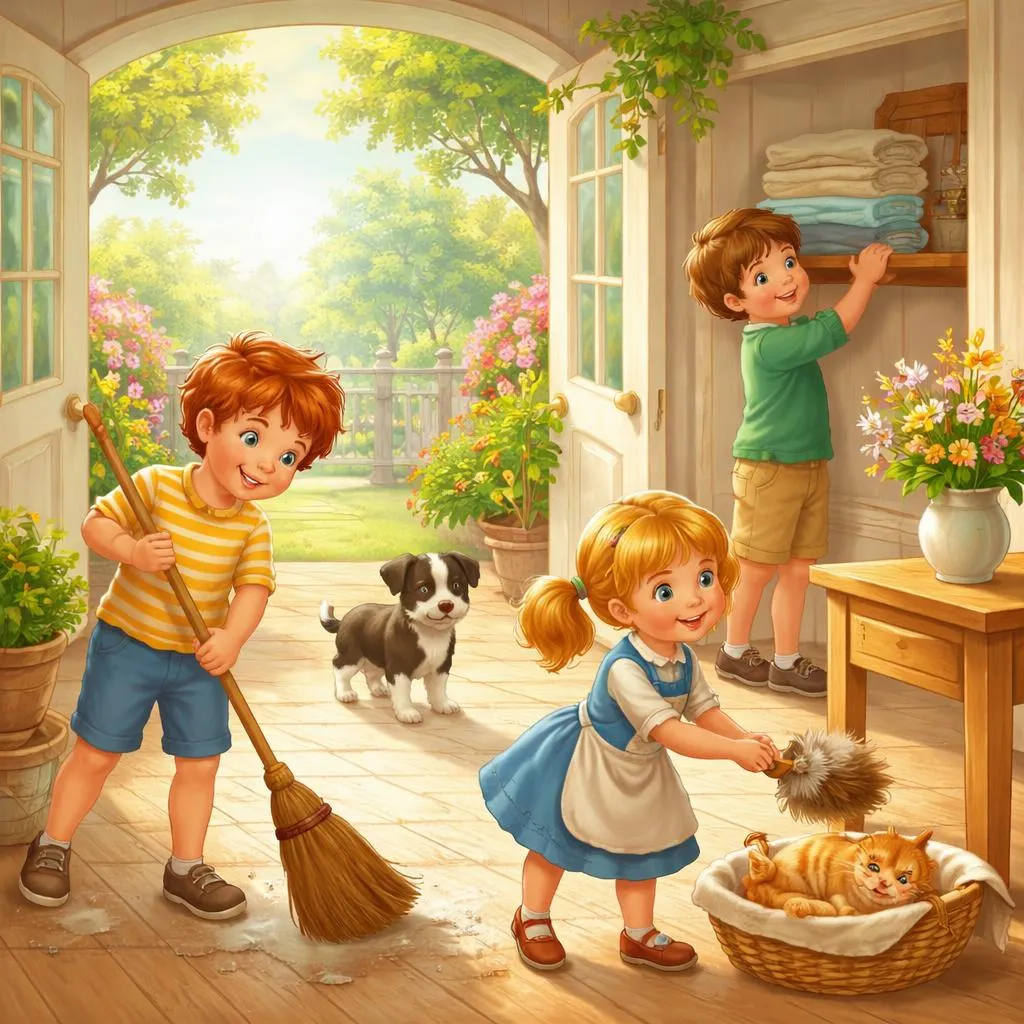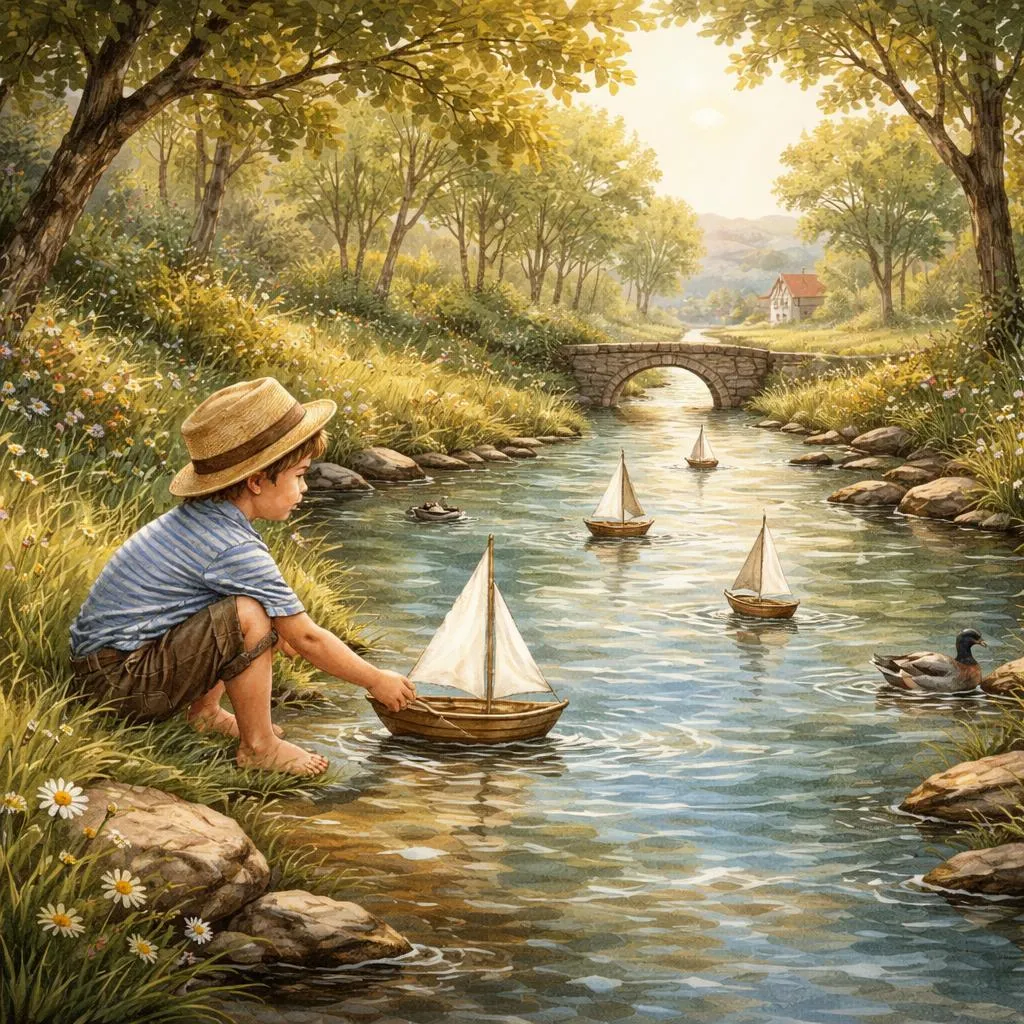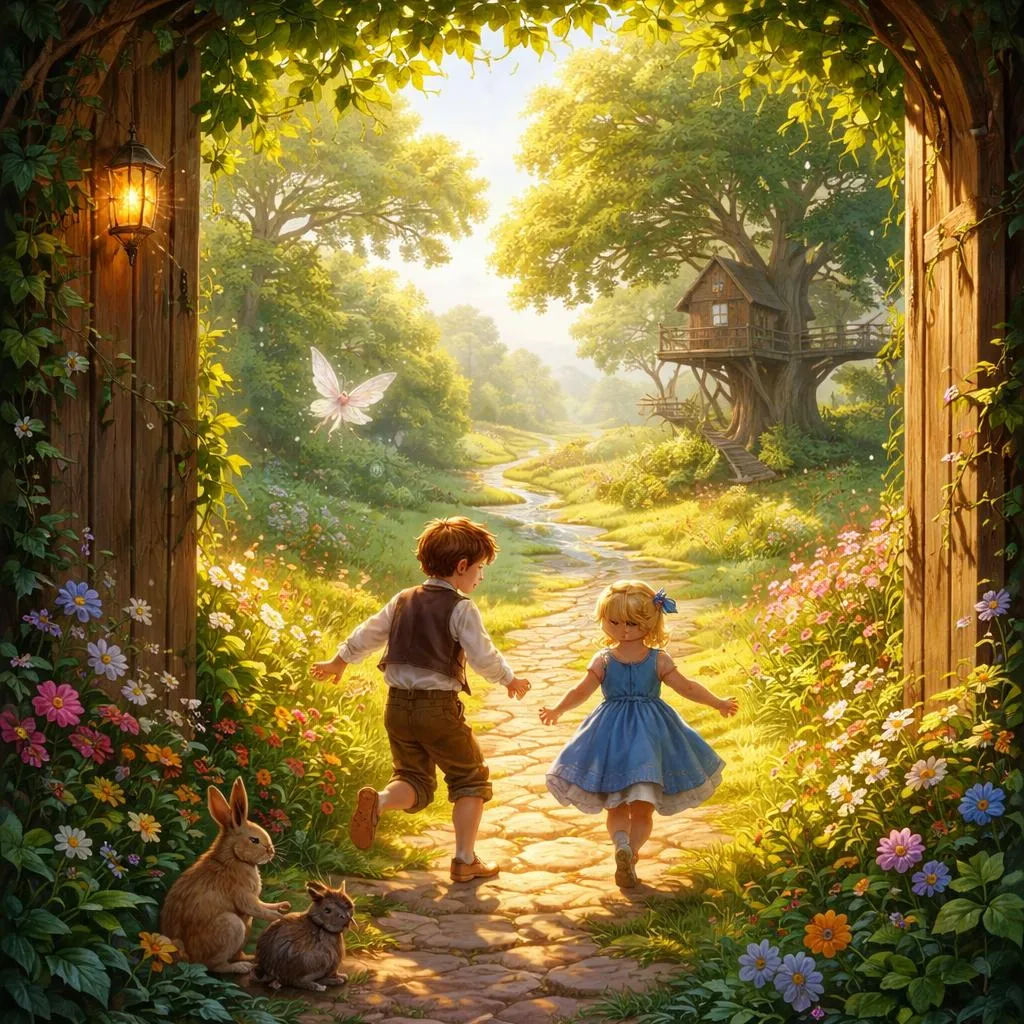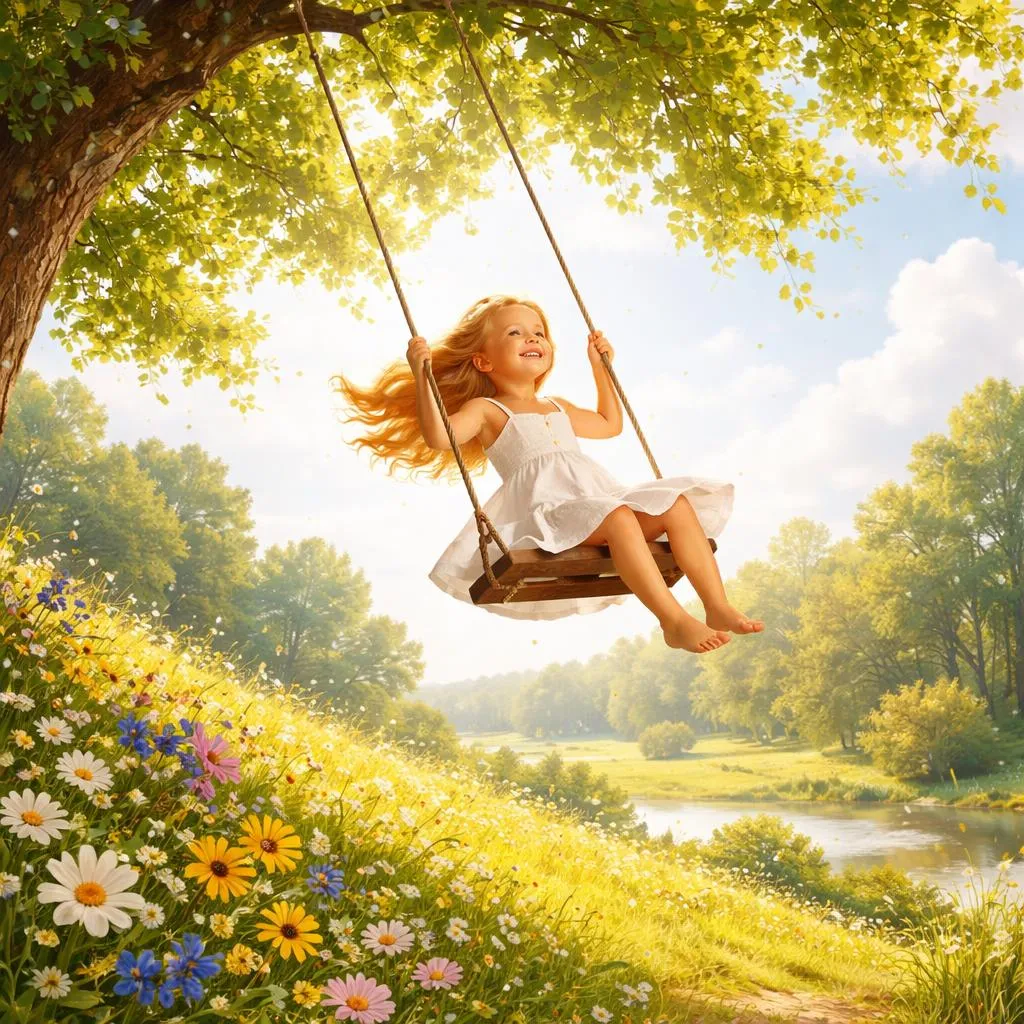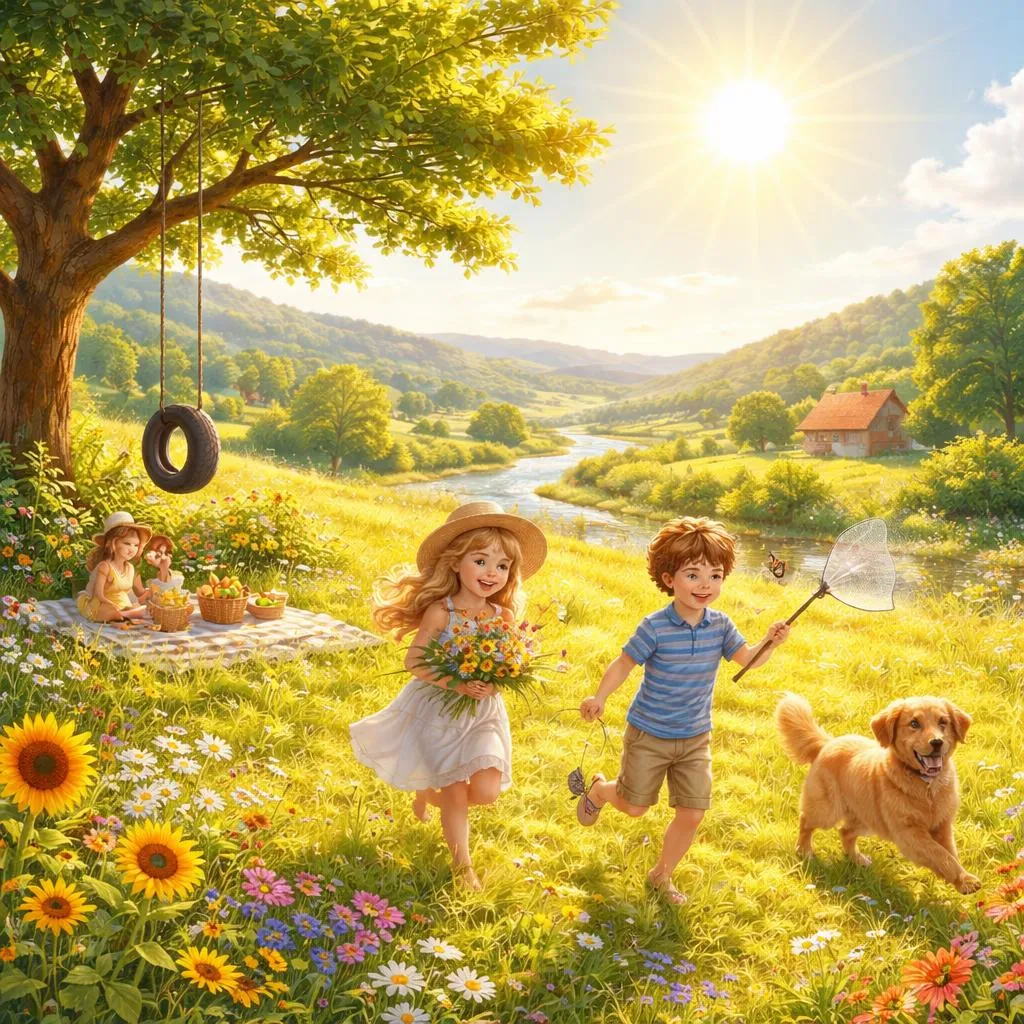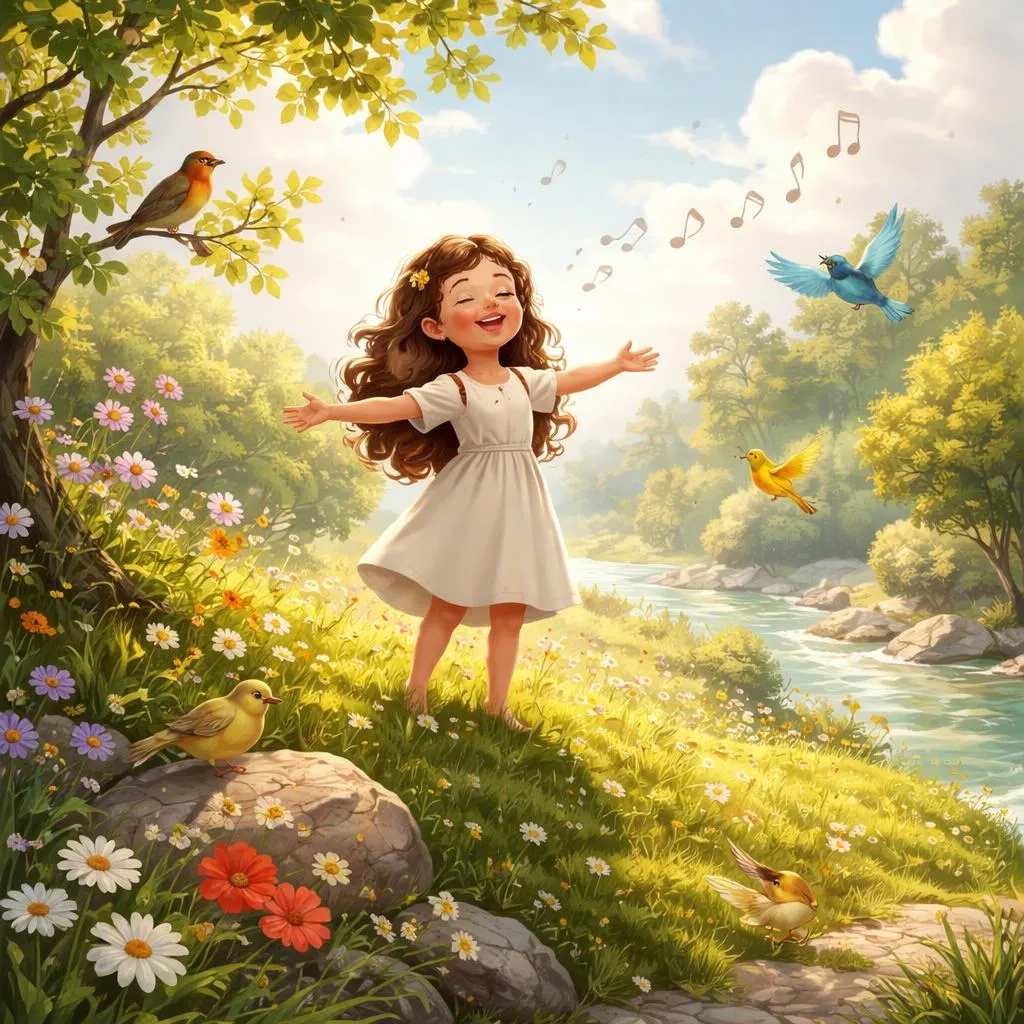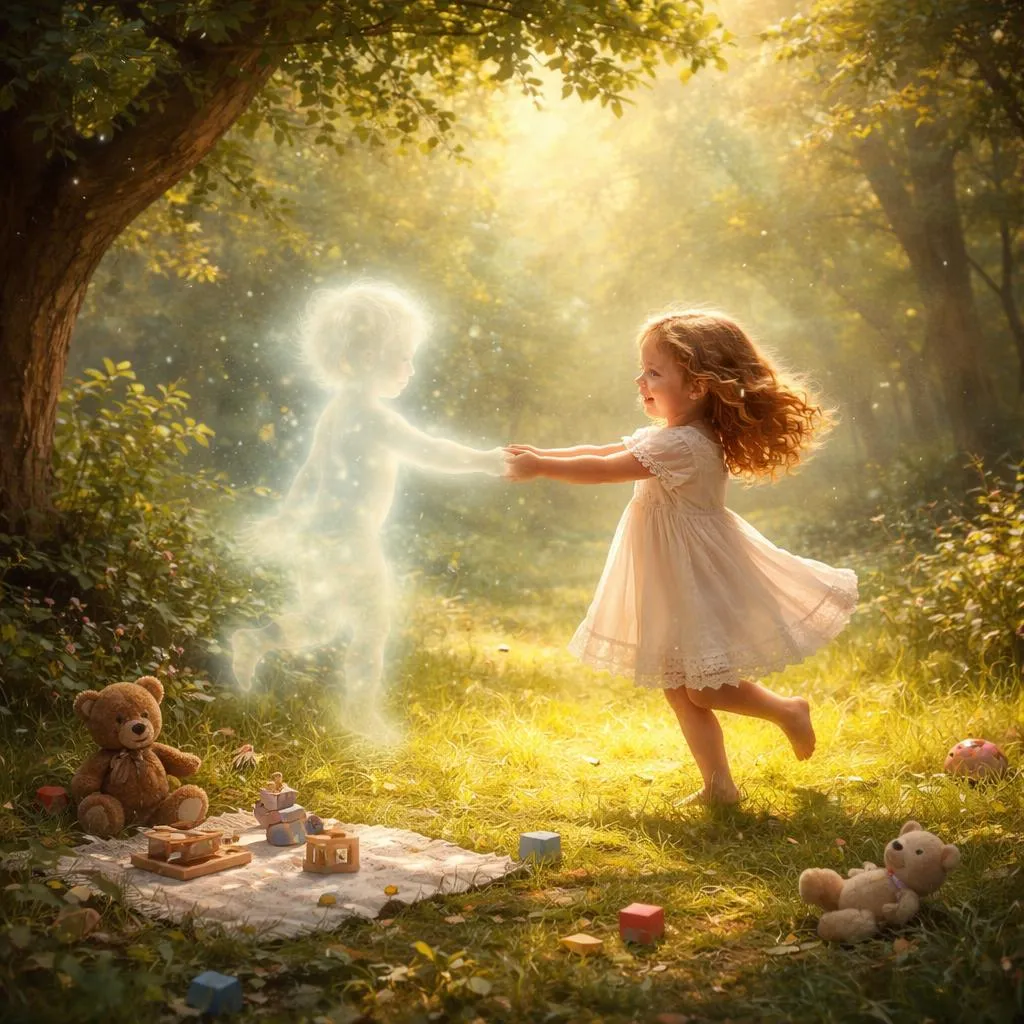

When children are playing alone on the green, In comes the playmate that never was seen. When children are happy and lonely and good, The Friend of the Children comes out of the wood. Nobody heard him, and nobody saw, His is a picture you never could draw, But he’s sure to be present, abroad or at home, When children are happy and playing alone. He lies in the laurels, he runs on the grass, He sings when you tinkle the musical glass; Whene’er you are happy and cannot tell why, The Friend of the Children is sure to be by! He loves to be little, he hates to be big, ‘Tis he that inhabits the caves that you dig; ‘Tis he when you play with your soldiers of tin That sides with the Frenchmen and never can win. ‘Tis he, when at night you go off to your bed, Bids you go to sleep and not trouble your head; For wherever they’re lying, in cupboard or shelf, ‘Tis he will take care of your playthings himself!
The Invisible Friend: A Magical Companion for Every Child
This charming poem tells the story of a special friend who appears only when children are playing happily and alone. This friend is invisible, silent, and cannot be seen or heard by adults, but he is always present in the joyful moments of childhood. He hides in the bushes, runs through the grass, and even sings along when children play music. This magical friend loves the innocence of being small and enjoys joining children in their imaginative adventures, such as playing with toy soldiers or digging caves. At night, he gently encourages children to sleep peacefully, watching over their toys and ensuring they are safe.
Background and Author Introduction
This poem reflects a timeless theme found in many children’s stories: the idea of an unseen guardian or imaginary companion who brings comfort, joy, and a sense of wonder to childhood. While the specific author of this poem is not mentioned here, it is reminiscent of the works by poets and writers who celebrate childhood imagination and innocence, such as A.A. Milne or Robert Louis Stevenson. These authors often wrote about the magical world that children create, emphasizing the importance of play, imagination, and the unseen forces that nurture a child’s happiness and growth.
Detailed Interpretation and Meaning
The poem symbolizes the invisible but powerful presence of imagination and comfort in a child’s life. The “Friend of the Children” represents the inner world of creativity and emotional support that children naturally possess. This friend is a metaphor for the imaginative play that helps children explore their feelings, solve problems, and understand the world around them. The poem also highlights the importance of solitude and happiness in fostering creativity. When children are “happy and playing alone,” they connect with this magical friend, suggesting that moments of quiet play are essential for emotional and intellectual development.
The friend’s dislike of “being big” and preference for “being little” underscores the value of preserving childlike wonder and simplicity, even as children grow older. His role in caring for toys and encouraging sleep shows a nurturing, protective aspect, reminding children that their inner world is a safe and comforting place.
Lessons and Insights for Children and Students
From this poem, children and students can learn several valuable lessons:
-
The Power of Imagination: Imagination is a powerful tool that can turn ordinary moments into magical adventures. Children should be encouraged to use their creativity in play and problem-solving.
-
The Value of Solitude: Being alone doesn’t mean being lonely. Quiet time allows children to connect with their thoughts and feelings, fostering emotional health and self-awareness.
-
Joy in Simple Things: Happiness can be found in simple activities like playing outside, making music, or caring for toys. Appreciating these moments builds gratitude and mindfulness.
-
Emotional Comfort: Imaginary friends or inner companions can provide comfort during times of uncertainty or fear, helping children feel safe and supported.
Applying These Lessons in Life, Learning, and Social Situations
-
In Daily Life: Encourage children to spend time playing quietly, either alone or with friends, to nurture their imagination and emotional well-being. Creating a special “play space” or having favorite toys can help children feel secure and inspired.
-
In Learning: Teachers and parents can incorporate imaginative activities like storytelling, drawing, or role-playing into lessons to make learning more engaging and meaningful. These activities stimulate creativity and critical thinking.
-
In Social Settings: Understanding the importance of imagination and emotional support can help children develop empathy and kindness toward others. They learn to respect different ways of thinking and to support friends who may feel shy or lonely.
Cultivating Positive Spirit and Behavior
To nurture the positive qualities reflected in the poem, children can be guided to:
-
Value Play and Creativity: Recognize that play is not just fun but essential for growth. Encourage creative expression through art, music, and storytelling.
-
Develop Emotional Awareness: Help children name and express their feelings, understanding that it’s okay to have moments of solitude and reflection.
-
Practice Kindness and Care: Teach children to care for their belongings and each other, just as the “Friend of the Children” cares for toys and encourages peaceful sleep.
-
Embrace Wonder and Curiosity: Foster a lifelong love of learning by celebrating curiosity and the joy of discovery, keeping the spirit of childhood alive.
By embracing these lessons, children can grow into thoughtful, imaginative, and emotionally resilient individuals who appreciate the magic in everyday life. This poem, with its gentle reminder of the invisible friend always by their side, encourages children to cherish their inner world and the happiness found in simple, quiet moments.