
All night long and every night, When my mama puts out the light, I see the people marching by, As plain as day before my eye. Armies and emperor and kings, All carrying different kinds of things, And marching in so grand a way, You never saw the like by day. So fine a show was never seen At the great circus on the green; For every kind of beast and man Is marching in that caravan. As first they move a little slow, But still the faster on they go, And still beside me close I keep Until we reach the town of Sleep.
Story Background and Author Introduction
This enchanting poem paints a vivid picture of a child's imagination as night falls and sleep approaches. The author, who remains anonymous in many versions, captures the magical transition from wakefulness to dreams, where ordinary nights transform into grand parades of kings, armies, and fantastical creatures. This poem is often included in collections of children's bedtime stories and poems, cherished for its soothing rhythm and imaginative imagery.
Detailed Interpretation and Meaning
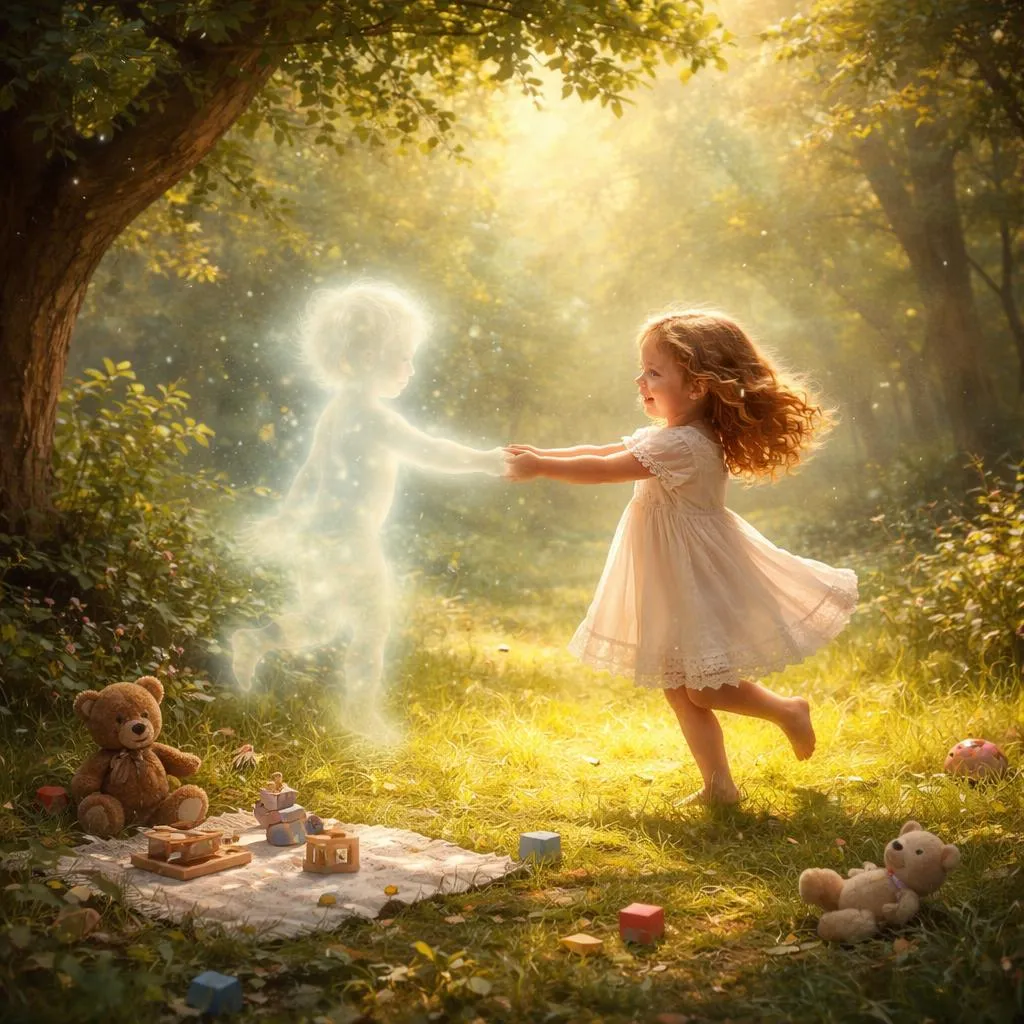
The poem invites readers into a world where the boundary between reality and dreams blurs. When the child's mother turns off the light, the darkness becomes a stage for a magnificent procession. The "armies and emperor and kings" symbolize the grandeur and mystery of the night, while the "different kinds of things" they carry suggest the variety and richness of dreams. The slow march speeding up represents the child's gradual journey into deeper sleep, culminating in the "town of Sleep," a metaphor for the restful state that awaits.
This imagery encourages children to see bedtime not as an end but as a beginning of adventure and imagination. The poem reassures children that sleep is a natural and beautiful process, filled with wonder rather than fear.
Lessons and Insights for Children and Students
-
Imagination and Creativity: The poem nurtures a child's ability to imagine and create stories from the world around them. It shows how ordinary moments, like turning off the light, can spark extraordinary adventures in the mind.
-
Comfort with Nighttime: Many children fear the dark or bedtime. This poem gently helps them associate night with positive, magical experiences, easing anxiety and promoting a peaceful mindset.
-
Understanding Transitions: The gradual march from wakefulness to sleep teaches children about transitions in life—how change can be smooth and even exciting.
-
Observation Skills: The detailed descriptions encourage children to notice and appreciate details, enhancing their observation and descriptive language skills.
Application in Daily Life, Learning, and Social Settings
-
At Home: Parents and caregivers can use this poem as a bedtime ritual to help children relax and look forward to sleep. Reading it aloud can create a calming atmosphere and strengthen the bond between child and adult.
-
In School: Teachers can incorporate this poem into lessons about poetry, imagination, and emotions. Students can be encouraged to write their own bedtime stories or poems, fostering creativity and writing skills.
-
Socially: Understanding the poem's themes can help children express their feelings about change and transitions, such as moving to a new grade or making new friends, by relating these experiences to the comforting idea of a journey into sleep.
Cultivating Positive Spirit and Behavior
-
Embracing Change: The poem models a positive attitude toward change and the unknown, teaching children to approach new experiences with curiosity rather than fear.
-
Mindfulness and Relaxation: By focusing on the imagery and rhythm, children learn to be present and calm, skills useful for managing stress and anxiety.
-
Respect for Imagination: Encouraging imaginative play and storytelling helps children develop empathy, problem-solving skills, and emotional intelligence.
Conclusion
This timeless poem offers much more than a bedtime story; it is a gateway to imagination, comfort, and learning. By exploring its themes and imagery, children and students can gain valuable insights into creativity, emotional well-being, and the natural rhythms of life. Integrating this poem into daily routines and educational activities can foster a love for literature and a positive approach to growth and change.