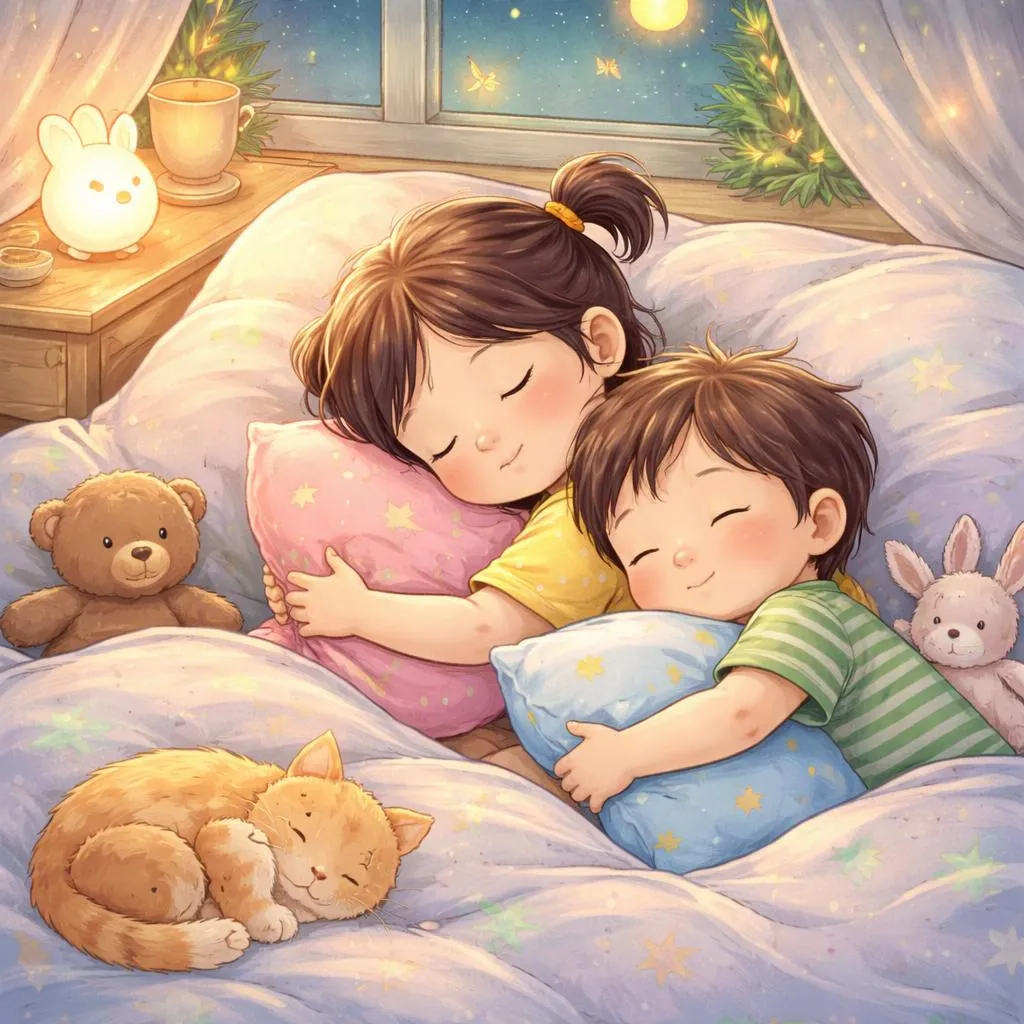

Some songs are as soft and comforting as a favorite pillow. The Chinese Songs: Little Pillow (小枕头) does exactly that. This gentle lullaby celebrates the little pillow that cradles a child's head each night, holding dreams and offering comfort. For families learning English and Chinese together, this song offers a beautiful way to explore bedtime vocabulary, the feeling of safety, and the simple joy of rest. Let us discover what makes this traditional song so soothing for young learners.
What Is the Story Behind This Famous Song?
The Chinese Songs: Little Pillow (小枕头) is a beloved lullaby from China. It describes a child's small pillow as a soft, friendly companion that waits each night to hold their head and catch their dreams. The song comforts children as they prepare for sleep.
In Chinese culture, pillows have special meaning. Traditional Chinese pillows were often made of porcelain or wood, but children's pillows are soft and cozy. A pillow becomes a child's nightly friend, always there when needed.
The song personifies the little pillow as a gentle friend who hugs the child's head all night. It doesn't move or complain. It simply waits, soft and ready, to provide comfort until morning.
The melody is soft and rocking, like a mother gently swaying. Children often hug their pillows while listening, feeling safe and loved.
Understanding this背景 helps families appreciate the song's connection to bedtime comfort and the universal need for rest. It opens conversations about sleep, dreams, and the special objects that help us feel safe.
The Complete Lyrics of the Song
Reading the words helps us understand this cozy bedtime friend. Here are the lyrics to the Chinese Songs: Little Pillow (小枕头) in Chinese characters, pinyin, and English.
小枕头,小枕头,软软又白白 Xiǎo zhěn tou, xiǎo zhěn tou, ruǎn ruǎn yòu bái bái Little pillow, little pillow, soft soft and white white
每天晚上陪着我,等我躺下来 Měi tiān wǎn shàng péi zhe wǒ, děng wǒ tǎng xià lái Every day evening accompany me, wait for me lie down
小枕头,小枕头,托着我的头 Xiǎo zhěn tou, xiǎo zhěn tou, tuō zhe wǒ de tóu Little pillow, little pillow, hold up my head
轻轻靠着软绵绵,梦里有朋友 Qīng qīng kào zhe ruǎn mián mián, mèng lǐ yǒu péng you Gently lean on soft soft, dream inside have friends
小枕头,小枕头,我的好伙伴 Xiǎo zhěn tou, xiǎo zhěn tou, wǒ de hǎo huǒ bàn Little pillow, little pillow, my good companion
早上醒来抱抱你,又是新一天 Zǎo shàng xǐng lái bào bào nǐ, yòu shì xīn yī tiān Morning wake up hug hug you, again is new day
Learning New Words from the Song
The Chinese Songs: Little Pillow (小枕头) introduces many useful words. Let us explore them in both Chinese and English.
First, "小枕头" (xiǎo zhěn tou) means little pillow. "枕" (zhěn) means pillow. "头" (tóu) means head. Together they describe something that holds the head.
"软软又白白" (ruǎn ruǎn yòu bái bái) means soft soft and white white. Repeating "软" (ruǎn) and "白" (bái) emphasizes these qualities. Pillows are soft and often white.
"每天晚上陪着我" (měi tiān wǎn shàng péi zhe wǒ) means every day evening accompany me. "晚上" (wǎn shàng) means evening or night. "陪" (péi) means accompany.
"等我躺下来" (děng wǒ tǎng xià lái) means wait for me lie down. "躺" (tǎng) means lie down. "下来" (xià lái) shows the downward motion.
"托着我的头" (tuō zhe wǒ de tóu) means hold up my head. "托" (tuō) means support or hold up. "头" (tóu) is head.
"轻轻靠着软绵绵" (qīng qīng kào zhe ruǎn mián mián) means gently lean on soft soft. "靠" (kào) means lean. "软绵绵" (ruǎn mián mián) describes something fluffy and soft.
"梦里有朋友" (mèng lǐ yǒu péng you) means dream inside have friends. Dreams bring companions.
"好伙伴" (hǎo huǒ bàn) means good companion or partner.
"早上醒来抱抱你" (zǎo shàng xǐng lái bào bào nǐ) means morning wake up hug hug you. "早上" (zǎo shàng) means morning. "醒来" (xǐng lái) means wake up. "抱抱" (bào bào) means hug, repeated for a gentle action.
"又是新一天" (yòu shì xīn yī tiān) means again is new day. Each morning brings fresh possibilities.
Exploring Pronunciation and Rhythm
The Chinese Songs: Little Pillow (小枕头) offers wonderful practice with Mandarin tones and rhythm. The lullaby melody rocks gently like a soothing bedtime song.
Listen to "Xiǎo zhěn tou" repeated. The tones go: xiǎo (third tone, falling then rising), zhěn (third tone), tou (neutral). The neutral ending feels soft and gentle.
The phrase "ruǎn ruǎn yòu bái bái" uses third tone for "ruǎn" (falling then rising), repeated, fourth tone for "yòu" (falling), second tone for "bái" (rising), repeated. The pattern feels like a soft pillow.
"Tuō zhe wǒ de tóu" uses first tone for "tuō" (high level), neutral for "zhe", third tone for "wǒ" (falling then rising), neutral for "de", and second tone for "tóu" (rising). The rising tone on "tóu" gently lifts.
Finding Grammar Patterns in the Lyrics
The Chinese Songs: Little Pillow (小枕头) offers useful grammar examples for Chinese learners. One pattern appears with "每天晚上" (měi tiān wǎn shàng) meaning every evening. "每" (měi) means every and combines with time words.
The song uses the particle "着" (zhe) in "陪着" (péi zhe) and "托着" (tuō zhe) to show ongoing actions. The pillow continuously accompanies and supports.
Another pattern appears with directional complements. "躺下来" (tǎng xià lái) uses "下来" (xià lái) to show lying down motion. "醒来" (xǐng lái) uses "来" (lái) to show coming into wakefulness.
The phrase "梦里有朋友" (mèng lǐ yǒu péng you) uses "里" (lǐ) meaning inside and "有" (yǒu) meaning there is/are. This structure describes what exists in a place.
Verb reduplication "抱抱" (bào bào) makes the action gentle and brief. This friendly form appears often with children.
Fun Learning Activities for the Whole Family
Listening to the Chinese Songs: Little Pillow (小枕头) can inspire many family activities. Here are some ideas to try together.
First, have a pillow talk session before bed. Lie down with pillows and talk about the day in Chinese. "今天开心吗" (happy today?), "明天想做什么" (what want to do tomorrow?). This makes bedtime a language learning moment.
Second, decorate pillowcases together. Use fabric markers to draw simple pictures and write Chinese words on pillowcases. "梦" (dream), "爱" (love), "晚安" (good night). This creates personal language objects.
Third, practice morning gratitude. When waking up, hug your pillow and thank it in Chinese. "谢谢小枕头" (thank you little pillow), "你真好" (you are so good). This builds gratitude and language habits.
Creating Printable Materials at Home
Families can make simple learning tools based on the Chinese Songs: Little Pillow (小枕头). These activities help reinforce new ideas.
Create bilingual bedtime flashcards. On one side, write the Chinese character and pinyin for bedtime words. Pillow, 枕头. Head, 头. Dream, 梦. Night, 晚上. Morning, 早上. On the other side, draw a picture and write the English word. Review these cards during bedtime routine.
Make a dream journal page. Create simple pages where children can draw their dreams and write a sentence in Chinese. "我梦见..." (I dreamed that...). This builds writing and imagination skills.
Create a fill-in-the-blank page using song lyrics in pinyin. Remove key words like "zhěn tou", "wǎn shàng", "tóu", "mèng", "péng you", and "zǎo shàng". Leave blanks where those words belong. Listen to the song together and fill in the missing words. This builds listening and character recognition.
Connecting the Song to Daily Life
The Chinese Songs: Little Pillow (小枕头) connects to daily life through sleep and comfort. Every child has a pillow. Every child knows the feeling of resting their head after a long day.
Talk with your children about their pillow. How does it feel? Do they have a favorite? Use Chinese to share. "我的枕头很软" (my pillow is very soft), "我喜欢我的小枕头" (I like my little pillow). This builds personal connection to vocabulary.
The song also teaches about friendship with objects. The pillow becomes a companion. In life, children often form attachments to special objects. Use Chinese to talk about this. "小枕头是我的朋友" (little pillow is my friend), "它陪着我" (it accompanies me).
Parents can model gentle care for objects. When making the bed, pat the pillow and say "谢谢你" (thank you). This teaches gratitude for everyday things.
Educational Games to Play Together
Games make learning with the Chinese Songs: Little Pillow (小枕头) exciting. Here are some simple games to try.
Play the pillow hide and seek. Hide a small object under or near a pillow. Give clues in Chinese. "在枕头下面" (under the pillow), "在枕头旁边" (next to the pillow). Children search and say where they found it. This builds preposition vocabulary.
Try the dream telling game. Lie down with pillows and take turns telling dreams in Chinese. "我梦见一只白兔子" (I dreamed of a white rabbit), "我梦见星星跳舞" (I dreamed stars dancing). This builds narrative skills.
Play the morning stretch game. When waking up, stretch and say morning phrases in Chinese. "早安" (good morning), "新的一天" (new day), "伸懒腰" (stretch). This builds morning vocabulary.
Why This Song Helps Language Learning
The Chinese Songs: Little Pillow (小枕头) helps learners in special ways. The gentle lullaby tempo makes words easy to hear. Each phrase is clear and soothing. This helps children absorb vocabulary without stress.
The bedtime theme connects to daily routine. Children hear these words every night. Repetition in real life reinforces learning.
The comfort theme creates positive associations. Children feel safe and loved when thinking about their pillow. This emotional connection deepens learning.
The dream theme sparks imagination. Children love talking about dreams. This engagement keeps them interested in the language.
Making Music Part of Your Routine
Families can make songs a regular part of bilingual learning. Choose one song each week to explore together. Listen during bedtime routines or quiet moments.
The Chinese Songs: Little Pillow (小枕头) works perfectly for bedtime. Play it while children rest their heads on their pillows. Let the music carry them gently into dreams.
Remember that language learning thrives in peaceful moments. When children associate Chinese with cozy pillows and sweet dreams, they learn naturally. They understand that words can be as comforting as a soft pillow.
Keep singing, keep dreaming, and keep resting well together. In the gentle night of bilingual learning, every new word is like a soft pillow, supporting your child's head as they drift into sweet dreams of language.