
A Friendly Hello and First Impressions
?Hola! (OH-lah). This is the warm, musical "Hello" in Spanish. ?Gracias! (GRAH-see-ahs). This is a sincere "Thank you". People say it with a smile. Learning reading about El Salvador starts with these friendly, welcoming words.
El Salvador is in Central America. Its shape looks like a small, straight rectangle. The rectangle sits on the Pacific coast. The country is in North America. Guatemala and Honduras are its neighbors. The Pacific Ocean is to the south. It is the smallest country in Central America. But it is packed with adventure.
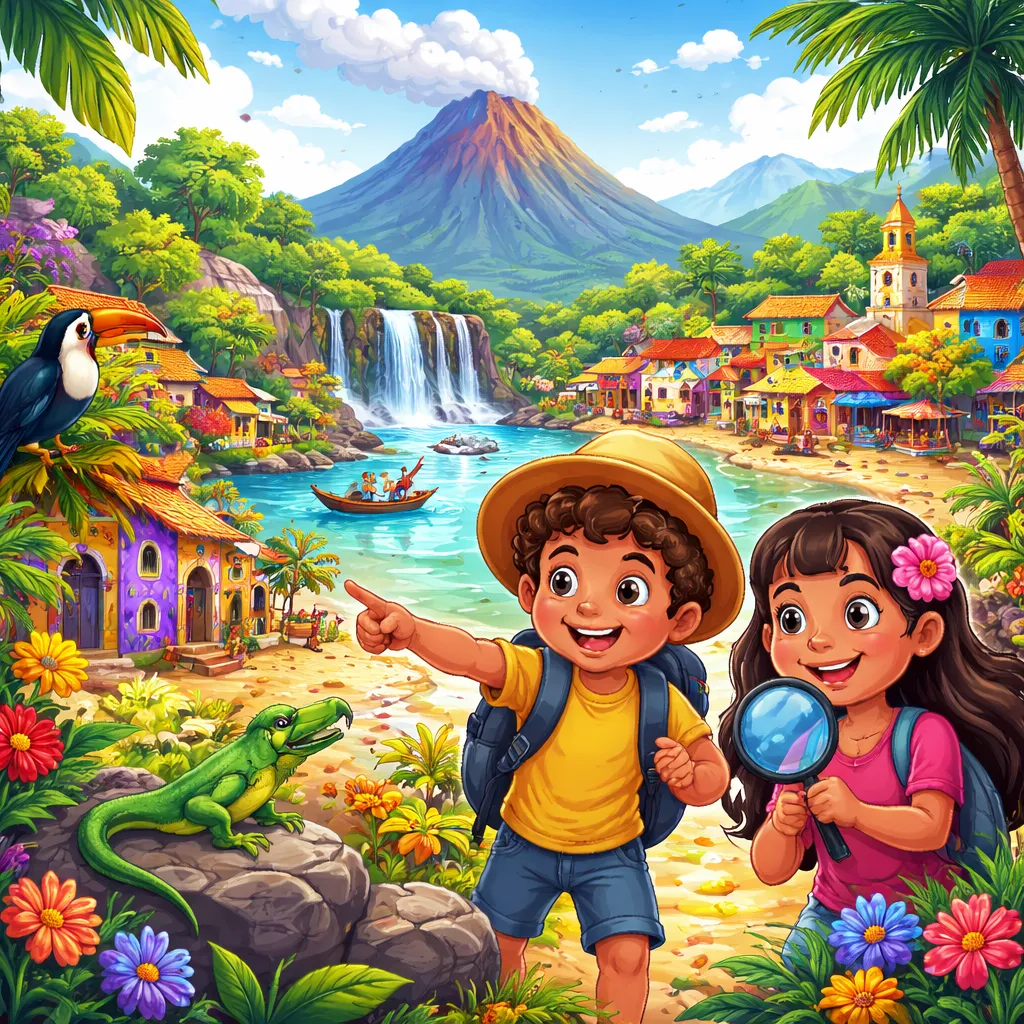
People call it the "Land of Volcanoes". It has over 20 volcanoes! Some are still active. Another nickname is the "Tom Thumb of the Americas". This is because of its small size. Are you ready to climb a volcano and see ancient ruins?
Deep Dive into Culture and Stories
Echoes of History
Long ago, the Pipil people lived here. They were related to the Aztecs. They built cities and farmed corn. They called their land "Cuzcatl芍n". It meant "Land of Jewels". Then Spanish soldiers arrived in the 1500s. They conquered the land. El Salvador gained independence in 1821. This mix of cultures created modern El Salvador. This history is a key part of learning reading about El Salvador.
A more recent and sad history was a civil war. It lasted from 1980 to 1992. Many people suffered. A peace agreement ended the war. The country now works for peace. This story teaches about the value of harmony.
A World of Renewable Energy
El Salvador gives the world a lesson in green power. The country uses its volcanoes. It turns volcano heat into electricity. This is called geothermal energy. It is clean and renewable. The country gets a lot of power this way. This is a smart use of nature. It helps fight climate change.
A Land of Fire and Mountains
El Salvador's geography is dramatic. A chain of volcanoes runs through the center. The land is mostly mountainous. The north has some low mountains. The south has a narrow coastal plain. The coast has black sand beaches. The landscape is green and rugged.
The climate is tropical. It is warm all year. There is a dry season and a rainy season. The environment shapes life. People grow coffee, sugar, and corn. They also grow beans and fruits. Houses in towns are made of concrete. In villages, houses are made of adobe. They have red-tiled roofs. The main exports are clothes, coffee, and sugar.
A special animal is the torogoz. It is the national bird. It has beautiful green and blue feathers. It represents freedom. The national tree is the maquilishuat. It has pink flowers. The national flower is the izote. It is a white yucca flower. The coffee plant is very important. It grows in the volcanic soil.
Landmarks of Ash and Faith
Visit Joya de Cer谷n. It is an archaeological site. People call it the "Pompeii of the Americas". A volcano erupted around 600 AD. It buried a farming village in ash. The ash preserved the village perfectly. You can see houses, beds, and kitchens. A fun story says the people left in a hurry. They left their food cooking. The site is a window into everyday life long ago.
See the Metropolitan Cathedral in San Salvador. It is in the capital city. The cathedral is very large. It has a big front door with a mural. Inside, it is simple and peaceful. The tomb of Archbishop 車scar Romero is here. He was a hero for the poor. The cathedral is a place of hope and memory.
Another wonder is the San Salvador Volcano. It is also called El Boquer車n. "Boquer車n" means "big mouth". It has a huge crater. You can hike to the rim. The view is amazing. Inside the crater is a smaller volcano. A legend says a giant once lived there. The giant's breath was the smoke. The volcano is powerful and beautiful.
Festivals of Light and Patron Saints
The biggest festival is the August Festival. It is called "Fiestas Agostinas". It happens in early August. The capital celebrates its patron saint. The saint is San Salvador. There are parades with floats. People dance in the streets. The music is loud and joyful.
There are also religious processions. People carry statues of saints. At night, there are fireworks. The festival lasts for a week. Families eat special food. They eat "pupusas" and "tamales". The festival is colorful and full of faith.
Another important day is Independence Day. It is on September 15th. It marks freedom from Spain in 1821. There are parades with school bands. Children wear traditional dress. The national flag is everywhere. The colors are blue and white. The day is full of national pride.
Food and Flavors
The national dish is the Pupusa. It is a thick corn tortilla. It is stuffed with cheese, beans, or meat. It is cooked on a griddle. It is served with a tomato sauce and pickled cabbage. People eat it any time of day. A hot pupusa is soft, cheesy, and delicious. It is the heart of Salvadoran food.
You must try Yuca Frita. Yuca is also called cassava. It is a starchy root. It is cut into pieces and fried. It is golden and crispy outside. It is soft inside. People eat it with fried pork and tomato sauce. It is a common weekend meal. The yuca is savory, crunchy, and satisfying.
A Culture of Color and Resilience
Art is very important. A famous artist was Fernando Llort. He created a colorful folk art style. The style uses bright colors and simple shapes. It shows villages, birds, and flowers. This art is on crafts and walls. This love for color is a joyful part of learning reading about El Salvador.
The people are known for resilience. They face earthquakes, volcanoes, and past wars. But they rebuild with hope. They are hardworking and creative. This spirit is called "salvadore?idad". It means Salvadoran pride and strength.
Tips for Young Explorers
Cultural Manners Matter
Salvadorans are polite and formal. Greet people with a handshake. Say "Buenos d赤as" (Good morning). Use titles like "Se?or" (Mr.) or "Se?ora" (Mrs.). This is respectful. Wait for adults to invite you to use first names.
Punctuality is flexible. Being 15-30 minutes late is common. This is called "la hora salvadore?a". But try to be on time for appointments. For parties, it is fine to be late.
When visiting a home, bring a small gift. Flowers or pastries are nice. Compliment the house. Do not start eating until the host invites you. Say "gracias" after the meal.
A Note on Staying Safe
El Salvador is safer now than before. But still be careful. Do not show expensive phones or jewelry. Keep your bag close in cities. Use official taxis. Ask your hotel for safe areas.
Do not walk alone at night. Stay in well-lit, busy places. Travel with a group or guide. This keeps you safe. Listen to local advice.
A Tasty Stop
Look for a "nieve" stand. "Nieve" means ice cream. It is a sweet, frozen treat. Flavors are often fruit like mango or coconut. It is served in a cup or cone. Eat it on a hot day. The ice cream is cold, sweet, and refreshing.
Healthy and Happy Travels
Drink only bottled water. This is the most important rule. Do not drink tap water. Avoid ice in drinks. Brush your teeth with bottled water. This keeps your stomach happy.
The sun is very strong. Use a high SPF sunscreen. Wear a hat. The tropical sun can burn you quickly. Drink lots of water to stay hydrated.
Use insect repellent. Mosquitoes can be annoying, especially at dusk. It helps prevent itchy bites. Wear light, long sleeves in the evening.
Your Invitation to Explore
Start your journey with art. Try drawing a picture with bright, simple shapes. Paint a bird or a flower. Or, listen to Salvadoran marimba music. Hear the happy, wooden sounds. This is a wonderful way of learning reading about El Salvador.
Visit a Latin market. Look for masa flour and queso fresco. Try making a simple pupusa at home. Fill it with cheese. Taste the warm, comforting flavor. Imagine eating it in a Salvadoran town.
The world is a big, open book. Each country is a different chapter. El Salvador's chapter is about volcanoes, pupusas, and perseverance. Open it with curiosity. Read about its ruins, rhythms, and resilience. Your curiosity is your guide.
Salvadoran families share a meal of pupusas. Friends gather to watch a volcano. Children play soccer in the town square. We all know these scenes. We love sharing food. We enjoy nature. We play games with friends. Learning about El Salvador shows us this. Our global family shares the same simple joys. Keep exploring, one page, one country, at a time. Your adventure has just begun.