
A Friendly Hello and First Impressions
Bonjou! (bohn-ZHOO). This is a friendly "Hello" in Dominican Creole. M豕si! (meh-SEE). This is a warm "Thank you". People also speak English. Learning reading about Dominica starts with these musical, welcoming words.
Dominica is a Caribbean island nation. It sits between the Caribbean Sea and the Atlantic Ocean. Its shape looks like a rugged, green leaf. The leaf floats between the French islands of Martinique and Guadeloupe. The island is part of North America. The land is very mountainous and covered in forest. It is known for its wild, natural beauty.
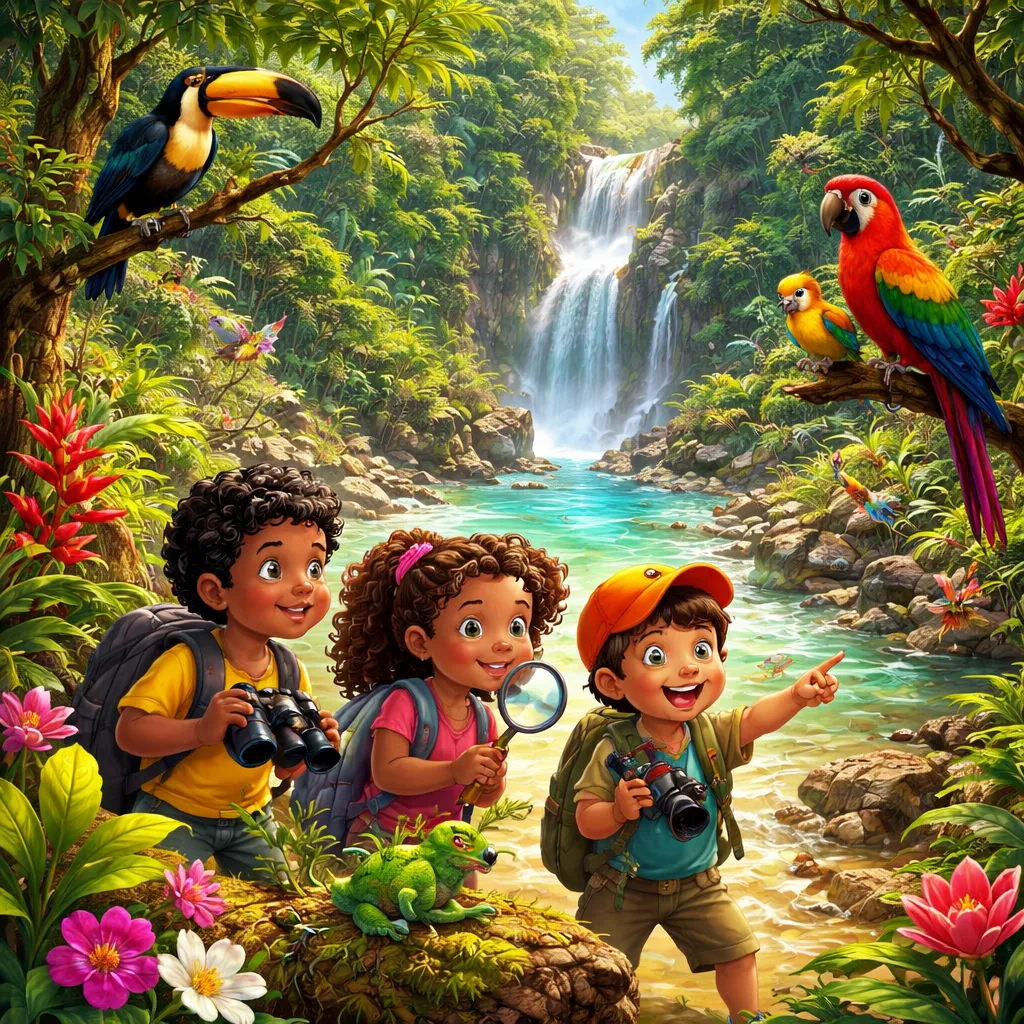
People call it the "Nature Island of the Caribbean". It is not like other islands with white sand beaches. It has rainforests, rivers, and volcanoes. Another name is the "Island of 365 Rivers". People say there is one river for every day of the year. Are you ready to explore a real-life jungle?
Deep Dive into Culture and Stories
Echoes of History
The first people of Dominica were the Kalinago. Europeans called them Caribs. They were skilled farmers and sailors. They resisted European colonization for a long time. Today, the Kalinago people have a territory on the island. It is the only indigenous community in the Caribbean. Their chief is called the "Chief". Their story of resilience is a key part of learning reading about Dominica.
A modern hero is Dame Mary Eugenia Charles. She was the prime minister from 1980 to 1995. She was the first female prime minister in the Caribbean. She was a strong leader. People called her the "Iron Lady of the Caribbean". She helped shape the modern nation. Her story is about strength and leadership.
A Model of Climate Resilience
Dominica gives the world a lesson in resilience. Hurricane Maria hit the island in 2017. It caused terrible damage. The country decided to rebuild differently. It wants to be the world's first climate-resilient nation. It builds stronger schools and hospitals. It uses more renewable energy. This is a gift of hope and planning for a warming world.
A Land of Volcanoes and Rain
Dominica's geography is dramatic. The island is volcanic. It has nine active volcanoes! The center is a spine of high mountains. The mountains are covered in thick rainforest. The coast is rocky with black sand beaches. There are waterfalls, hot springs, and a boiling lake. The landscape is wild and green.
The climate is tropical. It is warm all year. The interior is cooler. Rain is common, especially in the mountains. This creates the lush rainforest. The environment shapes life. People grow bananas, citrus, and coconuts. They also grow bay leaves for spice. Houses are often built on stilts. This protects from floods and catches the breeze. Many houses are painted in bright colors.
A special animal is the Sisserou parrot. It is the national bird. It is large and has purple feathers. It lives only in Dominica. It is very rare. The national flower is the Bwa Kwaib. It is a red, tropical flower. The mountain chicken is a giant frog. It is not a chicken! It is a cultural symbol but is now endangered.
Landmarks of Fire and Water
Visit the Boiling Lake. It is in Morne Trois Pitons National Park. It is the world's second largest hot lake. The water is gray-blue and always steaming. Bubbles rise from the bottom. The hike to the lake is tough but amazing. You walk through the "Valley of Desolation". The ground is hot and sulfur smells are in the air. A legend says the lake is a portal to the spirit world. The lake is a powerful natural wonder.
See the Trafalgar Falls. They are twin waterfalls. The mother fall is about 40 meters tall. The father fall is about 25 meters tall. You can see them from a viewing platform. The water crashes into a pool below. The air is cool and misty. You can swim in the lower pools. A fun story says the falls are guarded by a fairy. She lives behind the water. The falls are beautiful and refreshing.
Another wonder is the Kalinago Barana Aut那. It is a cultural village. It shows the traditional life of the Kalinago people. You can see canoe building and basket weaving. You can learn about herbal medicine. The village is on a cliff overlooking the sea. It is a living connection to the island's first people.
Festivals of Music and Freedom
The biggest festival is the World Creole Music Festival. It happens in October. The capital, Roseau, comes alive. Bands from all over the Creole world perform. People dance to zouk, compa, and bouyon music. The festival lasts for three nights. The energy is incredible. It celebrates the shared Creole culture of the islands.
Another important day is Independence Day. It is on November 3rd. It marks freedom from Britain in 1978. There is a parade with traditional costumes. The national wear is the "Jip" and "Wob Dwiyet". People eat traditional food like mountain chicken. The national flag is everywhere. The colors are green, yellow, black, white, and red. A parrot is in the center. The day is full of national pride.
Food and Flavors
The national dish is Mountain Chicken. This is a dish of frog legs. The frog is called the "crapaud". The legs are seasoned and fried or stewed. They taste like tender chicken. People eat it on special occasions. It is a unique taste of the island.
You must try Callaloo Soup. Callaloo is a leafy green vegetable. The soup is thick and green. It is made with coconut milk, okra, and sometimes crab. People eat it as a starter or a light meal. The soup is creamy, savory, and healthy. It tastes like the green heart of the island.
A Culture of Music and Nature
Music is everywhere. The popular local music is called "Bouyon". It is fast and rhythmic. It makes you want to dance. People play it at parties and in the streets. This love for music is a joyful part of learning reading about Dominica.
The country is a world leader in ecotourism. It protects its nature. The Morne Trois Pitons National Park is a UNESCO site. The government creates sperm whale sanctuaries. The goal is to live in harmony with the environment. This respect for nature is a model for the world.
Tips for Young Explorers
Cultural Manners Matter
Dominicans are generally friendly and relaxed. Greet people with a smile. Say "Good morning" or "Bonjou". A handshake is fine. People are not very formal. They often use first names quickly. This is the island way.
Always be respectful to elders. Greet them first. Listen when they speak. This is good manners. Say "please" and "thank you" (or "M豕si").
When visiting a Kalinago village, be respectful. Ask before taking photos. Listen to the guides. They are sharing their culture. This shows appreciation.
A Note on Staying Safe
Dominica is a safe country. But nature is powerful. Only hike with a certified guide. The trails can be slippery. The weather changes fast. Tell someone your plan. Do not swim in rivers after heavy rain. The current can be strong.
The sun is very strong. Use a high SPF sunscreen. Wear a hat. The tropical sun can burn you quickly. Drink lots of water on hikes. Dehydration is a risk.
A Tasty Stop
Look for a "bake" stall. A bake is a fried bread. It is often filled with saltfish or eggs. It is cheap and filling. Eat it hot. The bread is soft, the filling is savory. It is the perfect quick snack.
Healthy and Happy Travels
Drink bottled or filtered water. Tap water is usually safe in towns. But when hiking, bring your own. It is better to be sure. Stay hydrated.
Use insect repellent. Mosquitoes can be annoying, especially at dusk. It helps prevent itchy bites. Wear light, long sleeves in the evening.
Wear sturdy shoes for hiking. The paths are rocky and muddy. Good shoes protect your feet. They let you enjoy the amazing walks.
Your Invitation to Explore
Start your journey with sound. Listen to Dominican Bouyon music online. Feel the fast, happy rhythm. Try to move to the beat. Or, look at pictures of the Sisserou parrot. See its beautiful purple feathers. This is a wonderful way of learning reading about Dominica.
Visit a Caribbean market. Look for bay leaves or cocoa sticks. Smell the spices. Imagine the rainforest they came from. You can also try drawing a volcano with a green jungle on top. Let your imagination grow wild.
The world is a big, living book. Each country is a different chapter. Dominica's chapter is about volcanoes, parrots, and powerful hurricanes. Open it with respect. Read about its rivers, resilience, and rhythms. Your curiosity is your guide.
Families in Roseau share a pot of callaloo soup. Friends hike to a hidden waterfall. Children learn about medicinal plants from elders. We all know these feelings. We love sharing meals. We enjoy adventures in nature. We learn from our community. Learning about Dominica shows us this deep connection. Our global family shares a love for this vibrant planet. Keep exploring, one page, one country, at a time. Your adventure has just begun.