
A Friendly Hello and First Impressions
Yasou! (YAH-soo). This is a friendly "Hello" in Greek. Efharisto! (ef-hah-ree-STOH). This is a warm "Thank you". People also speak Turkish. Merhaba! (mehr-hah-BAH) and Te?ekk邦r ederim (teh-sheh-KUR eh-deh-reem) mean the same. Learning reading about Cyprus starts with these two sets of kind words.
Cyprus is an island country. It sits in the eastern Mediterranean Sea. Its shape looks like a floating leaf. The leaf is in the Middle East, near Asia. But it is also part of Europe. Turkey, Syria, and Lebanon are its closest neighbors. The sea around it is a beautiful, clear blue. The island is the third largest in the Mediterranean.
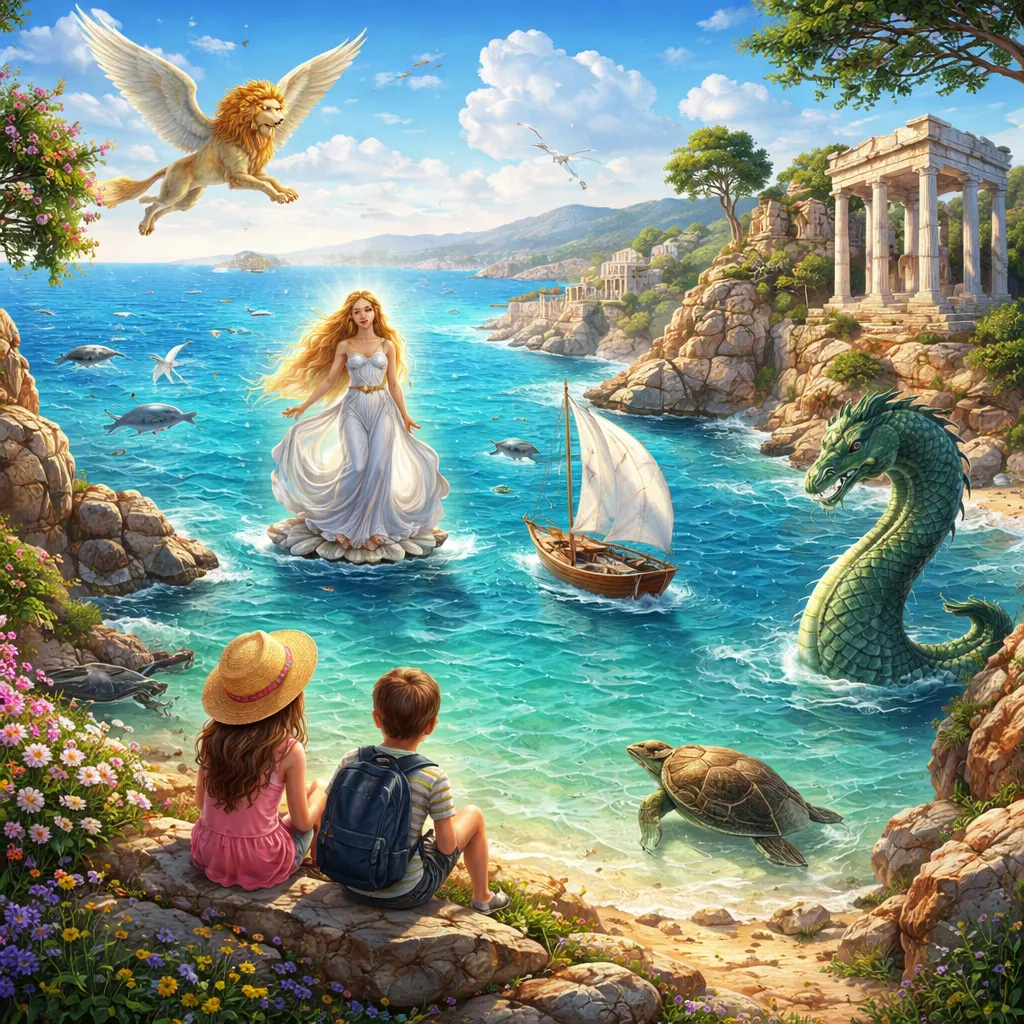
People call it the "Island of Aphrodite". Ancient Greek myth says the goddess of love was born here. She rose from the sea foam near Paphos. Another nickname is the "Copper Island". The word "copper" comes from "Cyprus". The island had famous copper mines long ago. Are you ready to step into an ancient myth?
Deep Dive into Culture and Stories
Echoes of History
A famous ancient king was Evagoras I. He ruled the city of Salamis around 400 BC. He was a great leader. He made Salamis a center of Greek culture. He fought for the island's independence. His story is a proud part of learning reading about Cyprus. It shows the island's long history.
A more recent and sad history involves division. Since 1974, the island has been split. A UN buffer zone divides the Greek Cypriot south and the Turkish Cypriot north. The capital, Nicosia, is the last divided capital in Europe. People hope for peace and reunification one day. This history teaches about the value of unity.
A Gift from the Earth
Cyprus gave the world a valuable metal. It is copper. The island's name is linked to this metal. Ancient civilizations mined copper here for thousands of years. They made tools, weapons, and art. The metal was traded all over the Mediterranean. It helped human technology grow. This is an ancient gift from the earth.
A Land of Mountains and Beaches
Cyprus has two mountain ranges. The Troodos Mountains are in the center. The Kyrenia Range is in the north. Between them is a wide, flat plain. The coast has sandy beaches and rocky cliffs. The landscape is a mix of green hills and dry plains.
The climate is Mediterranean. Summers are hot and dry. Winters are mild and rainy. This weather is perfect for certain plants. People grow olives, grapes, and citrus fruits. The carob tree is also important. Its pods were called "black gold". Houses are often made of stone. They have flat roofs in the villages. This design keeps them cool.
A special animal is the mouflon. It is a wild sheep. It lives in the Troodos Mountains. It is shy and has curved horns. The national bird is the Cyprus wheatear. It is a small, pretty bird. The national flower is the Cyprus cyclamen. It is pink and blooms in autumn. The olive tree is a symbol of peace.
Landmarks of Stone and Story
Visit the Tombs of the Kings. They are in Paphos. They are not for kings. They are for important people from 300 BC. The tombs are carved into solid rock. They look like small houses. A fun story says one tomb has a secret tunnel. The tunnel goes to the sea. It was for the spirit to escape. The site is quiet and grand.
See the rock of Aphrodite. It is called Petra tou Romiou. It is a sea stack near the shore. Waves crash around it. Legend says Aphrodite was born from the foam here. Another story says a giant hero threw the rock. He threw it at enemy ships. The site is beautiful, especially at sunset.
Another wonder is the painted churches in Troodos. Ten churches are UNESCO sites. They are small stone churches. The inside walls are covered in colorful frescoes. The paintings tell Bible stories. They are from the 11th to 16th centuries. The art is beautiful and well-preserved.
Festivals of Flowers and Water
The biggest festival is Anthestiria. It is the Flower Festival. It happens in spring, around May. People celebrate flowers and nature. There are parades with floats covered in flowers. Children wear flower wreaths. They dance and sing. The festival is very old. It dates back to ancient Greece. It is a celebration of life and beauty.
Another important day is Greek Independence Day. It is on March 25th. There are school parades and flag-waving. People eat bakaliaros. This is salted cod. It is a tradition. The day is about national pride for Greek Cypriots.
Turkish Cypriots celebrate National Sovereignty Day. It is on April 23rd. Children have a special day. They take over the government for a day. It is a fun tradition. It teaches children about leadership.
Food and Flavors
The national dish is Souvla. It is large pieces of meat. The meat is pork, lamb, or chicken. It is cooked on a long skewer over charcoal. The meat is juicy and smoky. Families eat it on Sundays. It is a social meal that takes time. It tastes like a celebration of fire and flavor.
You must try Halloumi. It is a famous cheese. It is made from sheep or goat milk. You can grill or fry it. It does not melt easily. It becomes crispy outside and soft inside. People eat it in sandwiches or as a snack. Grilled halloumi is salty, chewy, and delicious. It is a true taste of Cyprus.
A Culture of Hospitality and Business
Cypriots are known for "philoxenia". This means love for strangers. Hospitality is very important. Guests are treated with great kindness. This tradition is ancient. It is a key part of learning reading about Cyprus. It teaches us about warmth and welcome.
Cyprus is a major business and shipping hub. The island has a strong services economy. Many international companies have offices here. The shipping registry is one of the largest globally. This shows how a small island can connect the world.
Tips for Young Explorers
Cultural Manners Matter
Greetings are warm but polite. A handshake and eye contact are good. Say "Yasou" or "Merhaba". People often use titles. Use "Kirios" (Mr.) or "Kiria" (Mrs.) in Greek. Use "Bay" (Mr.) or "Bayan" (Mrs.) in Turkish. This is respectful.
When invited to a home, bring a small gift. Flowers, pastries, or wine are nice. Compliment the host's home and food. This is appreciated. Do not start eating until the host invites you.
Be mindful of the political situation. The island is divided. Be respectful in both communities. Do not make political statements. It is a sensitive topic. Focus on the shared culture and kindness.
A Note on Staying Safe
Cyprus is a very safe country. But be aware of the division. Do not cross the UN buffer zone except at official checkpoints. Only use the legal crossings in Nicosia. Have your passport ready.
The sun is very strong, especially in summer. Use high SPF sunscreen. Wear a hat. Drink lots of water. Heatstroke is a real risk. Stay in the shade during midday.
The sea is usually calm. But always obey warning flags. Some beaches have strong currents. Never swim alone. Always have an adult watching.
A Tasty Stop
Look for "loukoumades" in a shop. They are Greek doughnut balls. They are deep-fried until golden. They are soaked in honey syrup. They are sprinkled with cinnamon and nuts. Eat them hot. They are sweet, sticky, and delicious. They are a perfect treat.
Healthy and Happy Travels
Tap water is generally safe in most areas. But many people drink bottled water. It tastes better. In remote villages, ask if the water is okay. If unsure, choose bottled.
Wear comfortable walking shoes. The archaeological sites have uneven ground. The old towns have cobblestone streets. Good shoes make exploring easier and safer.
Be respectful at religious sites. Cover your shoulders and knees. Remove your hat. Be quiet. Do not take photos if there is a sign. This shows respect for local customs.
Your Invitation to Explore
Start your journey with a myth. Read the story of Aphrodite's birth from the sea. Imagine the goddess rising from the waves. Or, look at pictures of Byzantine mosaics. See the tiny, colorful stones. This is a wonderful way of learning reading about Cyprus.
Visit a Mediterranean restaurant. Look for halloumi cheese. Try it grilled. Taste the salty, squeaky cheese. Imagine the sunny hills of Cyprus. You can also plant a basil plant. It is a common herb in Cypriot cooking. Watch it grow.
The world is a big, ancient book. Each country is a different chapter. Cyprus's chapter is about goddesses, copper, and shared meals. Open it with an open heart. Read about its history, hospitality, and hope for peace. Your curiosity is your guide.
Cypriot families gather for a Sunday souvla. Friends share a plate of halloumi. Children play in the ruins of ancient cities. We all know these scenes. We love sharing food with family. We enjoy stories from the past. We play in the sunshine. Learning about Cyprus shows us this. Our global family shares a love for simple, beautiful moments. Keep exploring, one page, one country, at a time. Your adventure has just begun.