
A Friendly Hello and First Impressions
Amahoro! (ah-mah-HOH-roh). This is a peaceful "Hello" in Kirundi. It means "Peace". Murakoze! (moo-rah-KOH-zeh). This is a warm "Thank you". People say it with kindness. Learning reading about Burundi starts with these gentle, musical words.
Burundi is a small, landlocked country. It sits in the heart of Africa. Its shape looks like a rounded heart. The heart is in East Africa. The great Lake Tanganyika touches its southwest border. Rwanda, Tanzania, and the Democratic Republic of Congo are its neighbors. The land is full of green hills and valleys.
People call it the "Land of a Thousand Hills". The landscape is a rolling sea of green hills. Another nickname is the "Heart of Africa". This is because of its shape and location. It is also a source of the great Nile River. Are you ready to hear the beat of the drums?
Deep Dive into Culture and Stories
Echoes of History
Long ago, Burundi was a kingdom. The kingdom was ruled by a king called the "Mwami". The last great king was Mwami Mwezi Gisabo. He ruled in the late 1800s. He fought bravely against European colonizers. He tried to keep his kingdom independent. But the Germans took control. Later, Belgium ruled. The kingdom's history is a source of pride. This history is a key part of learning reading about Burundi.
A more recent and difficult history involves conflict. Burundi had a long civil war. The war lasted from 1993 to 2006. Many people suffered. Today, the country is working hard for peace. The people are rebuilding their lives. They are strong and resilient. Their story is about hope after hardship.
A Gift of Rhythm
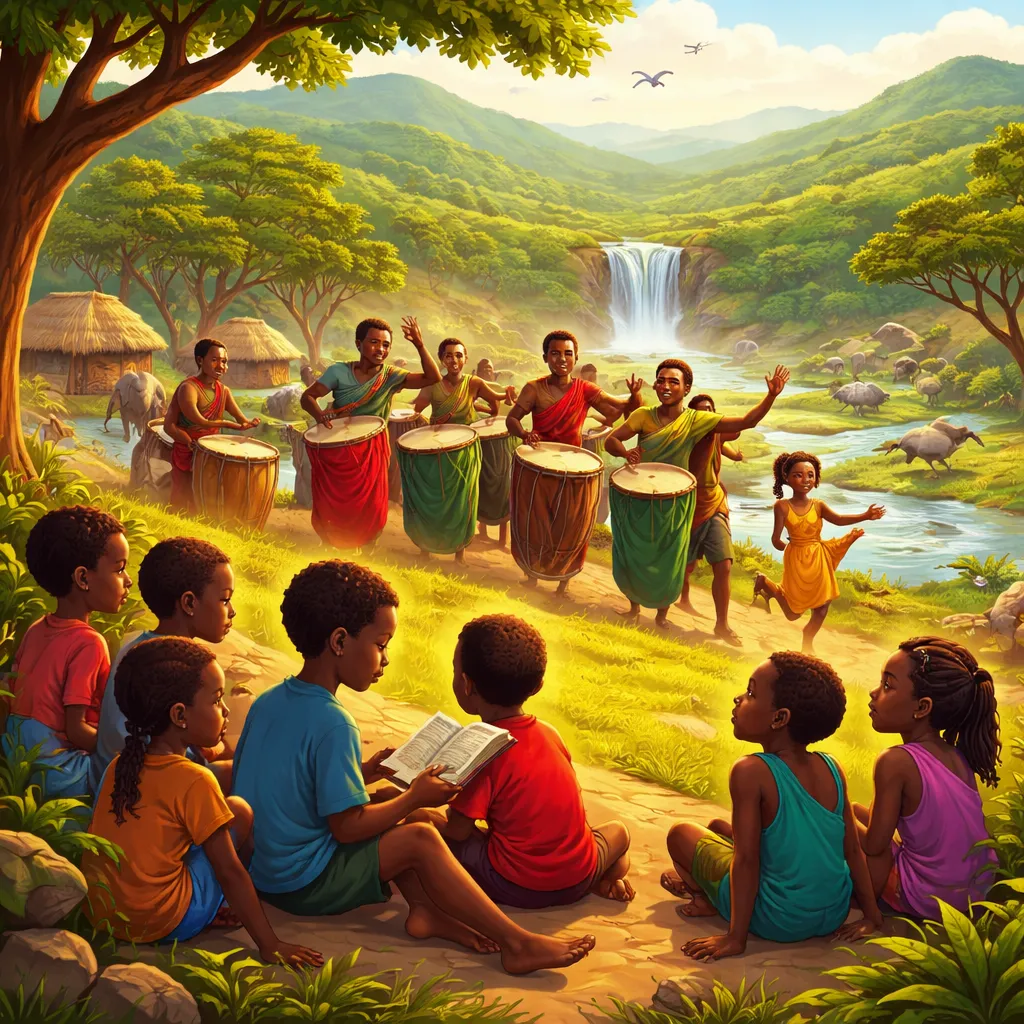
Burundi gave the world a powerful rhythm. The royal drummers of Burundi are world famous. They play on giant drums called "karyenda". These drums are sacred. They were a symbol of the monarchy. The drummers play in a circle. They dance and chant. The sound is deep and hypnotic. This drumming tradition is a UNESCO masterpiece. It is a gift of music and spirit.
A Land of Green Hills and Blue Lake
Burundi is very mountainous. The land is a series of rolling hills. The hills are green and fertile. The west has the Congo-Nile Ridge. This is a mountain chain. The east has lower plateaus. The southwest has the shore of Lake Tanganyika. This lake is the world's second deepest. It is also the second oldest.
The climate is temperate tropical. It is warm, but not too hot. The altitude keeps temperatures mild. There are two rainy seasons and two dry seasons. The rain helps farmers. People grow coffee, tea, and bananas. Beans and maize are also important. Houses are often made of mud bricks with thatched roofs. The roofs are pointed to let rain slide off.
A special animal is the hippopotamus. It lives in Lake Tanganyika and the Rusizi River. It is huge and spends most of its day in water. The national bird is the crested crane. It is tall and elegant with a golden crown of feathers. The national tree is the oil palm. It provides oil for cooking. The Impatiens burundensis is a unique flower. It grows only in Burundi.
Landmarks of Water and Stone
Visit the source of the Nile. It is in the south, near Rutovu. A pyramid marks the spot. This is the farthest source of the great Nile River. The water starts as a small spring. It flows north for thousands of miles. It reaches the Mediterranean Sea. A fun story says the ancient Egyptians did not know this source. They thought the Nile came from the mountains of the moon. The site is a quiet, important place.
See the Gishora Drum Sanctuary. It is in Gitega province. It is a sacred hill. The royal drums are kept here. The drums are never placed on the ground. They rest on mats. You can see a performance by the drummers. The energy is powerful. A legend says the first drum was a gift from God. It was given to a king to unite the people.
Another wonder is Lake Tanganyika. It is a freshwater sea. The water is clear and blue. You can see fish swimming deep below. The lake has many unique fish species. People fish for food. Children swim and play on the sandy beaches. The sunsets over the lake are breathtaking.
Festivals of Dance and Harvest
The most important traditional festival is Umuganuro. It is the Sorghum Festival. It celebrates the harvest and the new year. It happens in February. The king used to lead the ceremonies. Today, communities still celebrate. Dancers perform in colorful costumes. They wear grass skirts and bead necklaces. The royal drummers play.
People bring offerings of sorghum and beer. They give thanks for the harvest. They ask for a good new year. The festival is a time of joy and community. It connects people to the land and their history.
Independence Day is on July 1st. It marks freedom from Belgium in 1962. There are parades and speeches. The national flag is everywhere. The flag has white, green, and red. A white circle in the center has three red stars. People celebrate with music and dance. The day is full of national pride.
Food and Flavors
The national dish is "Ugali" and "Ibiharage". Ugali is a thick porridge. It is made from maize or cassava flour. It is white and firm. People eat it with their hands. Ibiharage are beans cooked in a tasty sauce. The meal is simple, filling, and nutritious. Families eat it almost every day. It tastes like home and sustenance.
You must try "Brochettes". They are grilled meat skewers. The meat is often goat or beef. It is marinated with onions and spices. The skewers are cooked over charcoal. They are served with fried plantains or chips. People eat them as a snack or meal. The brochettes are juicy, smoky, and delicious. They are a favorite street food.
A Culture of Weaving and Peace
Burundi is famous for its basket weaving. Women weave beautiful, colorful baskets. The most famous pattern is the "agaseke". It is a cone-shaped basket with a lid. The patterns are geometric and symbolic. Weaving is a social activity. Women sit together and talk. This craft is a UNESCO heritage. It is a beautiful part of learning reading about Burundi.
The country is working for peace. After the war, a truth and reconciliation commission was formed. Its job is to help people heal. It is a difficult but important process. Many people are committed to building a better future. This spirit of reconciliation is a powerful lesson for the world.
Tips for Young Explorers
Cultural Manners Matter
Greetings are very important. Always greet people when you meet them. Say "Amahoro" with a smile. Shake hands with your right hand. A common greeting is "Amahoro, amakuru?" (Peace, what news?). You should ask about the person's health and family. This shows you care. Do not rush the greeting.
Elders are highly respected. Always greet the oldest person first. Listen when they speak. Do not interrupt. Stand up when an elder enters the room. Offer them your seat. This is good manners.
When eating, use your right hand. The left hand is considered unclean. Wash your hands before and after the meal. If food is shared from a common bowl, take only from the part in front of you. Always accept food and drink offered by a host. It is a sign of friendship.
A Note on Staying Safe
Burundi has experienced political instability. Safety can change quickly. It is very important to check your government's travel advice. Some areas are not safe for visitors. It is best to travel with a trusted local guide.
In cities, be careful at night. Do not walk alone. Keep your belongings close. Do not show expensive phones or cameras. Be aware of your surroundings. Listen to local advice.
A Tasty Stop
Look for "Mandazi" on the street. They are sweet, fried doughnuts. They are made from flour, sugar, and coconut milk. They are golden and fluffy. People eat them for breakfast or a snack. They are often served with tea. Eat them hot. They are soft, sweet, and delicious.
Healthy and Happy Travels
Drink only bottled or boiled water. This is the most important rule. Do not drink tap water. Avoid ice in drinks. Brush your teeth with bottled water. This keeps your stomach happy.
Malaria is a big risk. Take anti-malaria medicine if your doctor says. Use insect repellent. Wear long sleeves in the evening. Sleep under a mosquito net. This protects you from mosquito bites.
The sun can be strong. Wear a hat and use sunscreen. The hills are beautiful for walking. Wear comfortable shoes. The paths can be steep and slippery. Good shoes keep you safe.
Your Invitation to Explore
Start your journey with sound. Listen to the royal drummers of Burundi online. Feel the powerful, deep rhythm. Try to clap along. Or, look at pictures of Burundi's baskets. See the intricate patterns and colors. This is a wonderful way of learning reading about Burundi.
Visit an African market in your city. Look for Burundian coffee. Burundi grows excellent coffee beans. Buy a small bag. Brew a cup. Taste the rich, fruity flavor. Imagine the hills where the coffee grew.
The world is a big, open book. Each country is a different chapter. Burundi's chapter is about hills, drums, and resilience. Open it with respect. Read about its drummers, baskets, and brave people. Your curiosity is your guide.
Burundian families share a bowl of ugali and beans. Friends gather to listen to drummers. Children help their parents on the family farm. We all know these feelings. We love sharing meals. We enjoy music and community. We help our families. Learning about Burundi shows us this. Our global family is connected by shared hopes for peace and a good harvest. Keep exploring, one page, one country, at a time. Your adventure has just begun.