
What Do These Expressions Mean? “It's fast” and “it's quick” both mean that something moves or happens with great speed. They tell someone that an animal, vehicle, or action takes very little time. Children say these words about race cars, rabbits, or running. Both describe speed.
“It's fast” is the common, everyday word for high speed. A child says it when a train zooms by. It is direct and strong.
“It's quick” means something happens in a short time. It often refers to a single action or reaction. A child says it when a lizard catches a bug in a flash. It feels snappy.
These expressions seem similar. Both say “not slow.” Both describe speed. But one is for sustained speed while one is for short, sudden actions.
What's the Difference? One is for sustained speed. One is for short, sudden speed. “It's fast” is for things that go fast over distance or time. A cheetah, a car, a runner. It is for high velocity.
“It's quick” is for actions that are done in a short moment. A blink, a catch, a turn, a reply. It is for brief actions. It often means “not delayed.”
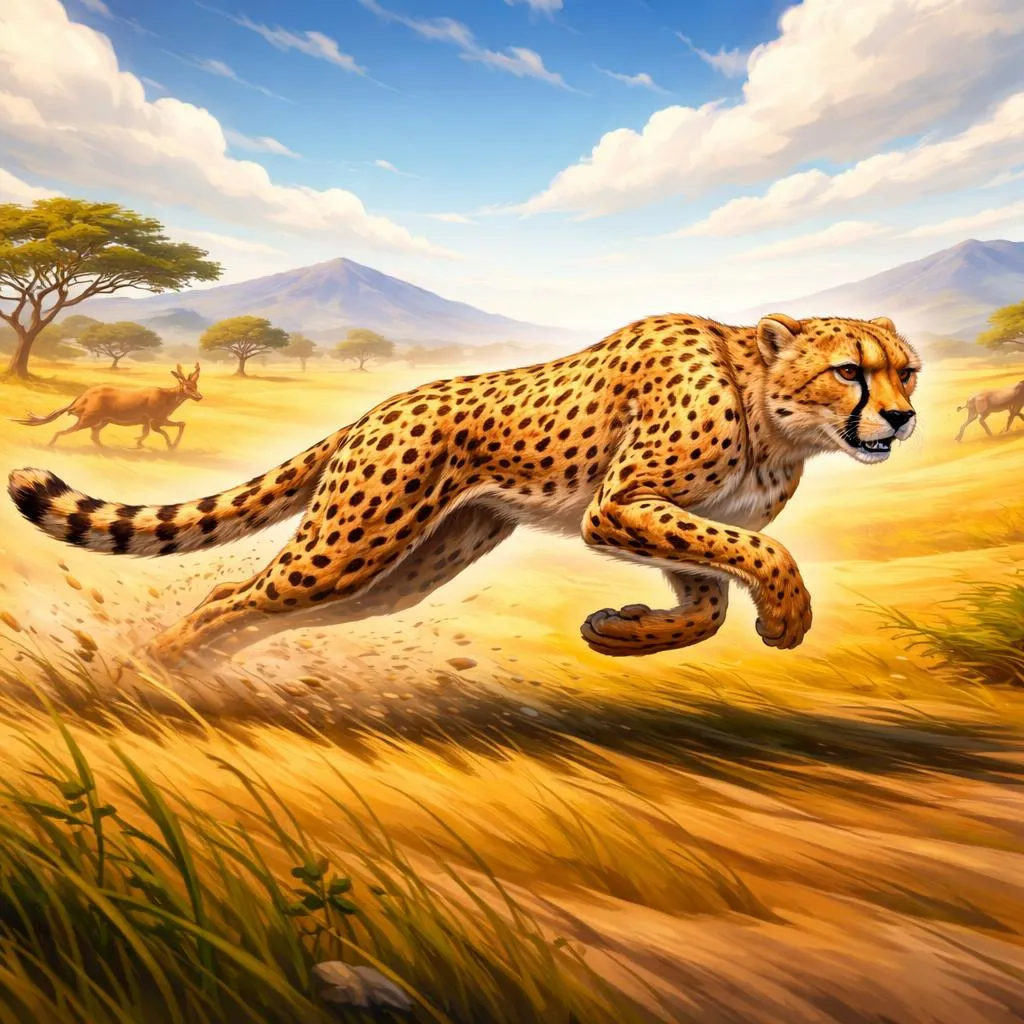
Think of a cheetah running across a field. “It's fast” is right. A rabbit darting into a hole. “It's quick” fits better. One is for speed over distance. One is for a fast motion.
One is for speed. The other is for short duration. “Fast” for a race. “Quick” for a snap. Use the first for speed. Use the second for time.
Also, “quick” can mean intelligent (“quick mind”). “Fast” does not mean intelligent. Choose the right word for the meaning.
When Do We Use Each One? Use “it's fast” for sustained speed over distance. Use it for animals, cars, trains, or runners. Use it for things that move quickly. It fits speed talk.
Examples at home: “The car is fast. It goes 100 miles per hour.” “That cheetah is fast.” “My bike is fast. I can beat you.”
Use “it's quick” for actions that take a short time. Use it for catching, turning, replying, or reacting. Use it for brief movements. It fits duration talk.
Examples for duration: “The rabbit is quick. It disappeared in a second.” “That was a quick answer.” “We need to be quick before the store closes.”
Children can use both. “Fast” for speed. “Quick” for short time. Both are correct.
Example Sentences for Kids It's fast: “It's fast! It's gone already.” “The race car is very fast.” “You run so fast.”
It's quick: “It's quick; I didn’t even see it.” “That was a quick trip to the store.” “She is quick at solving puzzles.”
Notice “fast” is about speed. “Quick” is about short time. Children learn both. One for velocity. One for duration.
Parents can use both. A race: “it's fast.” A blink: “it's quick.” Children learn different timing.
Common Mistakes to Avoid Some children say “fast” for a single, quick action. That is fine, but “quick” is more precise. A blink is quick, not fast. Save “fast” for speed over distance.
Wrong: “The blink was fast.” Right: “The blink was quick.”
Another mistake: saying “quick” for a long, fast race. A marathon runner is fast, not quick. Quick means short time. A marathon is long, so say “fast.”
Wrong: “He was quick in the marathon.” Better: “He was fast in the marathon.”
Some learners forget that “fast” can mean not eating (“fasting”). That is a different word. “I fast during Ramadan” is not about speed. Context matters.
Also avoid saying “it's quick” when you mean “it's soon.” “Quick” means fast. “Soon” means near in time. “Come quick” means come fast. “Come soon” means come not late. Different meanings.
Easy Memory Tips Think of “fast” as a cheetah running. Long legs. Speed. For distance and velocity.
Think of “quick” as a mouse darting into a hole. Snap. Gone. For short actions.
Another trick: remember the duration. “Fast” for long moves. “Quick” for short moves. Long moves get “fast.” Short moves get “quick.”
Parents can say: “Fast for a race. Quick for a face.”
Practice at home. A race: “it's fast.” A jump: “it's quick.”
Quick Practice Time Let us try a small exercise. Choose the better phrase for each situation.
A child watches a horse gallop across a long field at high speed. a) “It's quick.” b) “It's fast.”
A child watches a hummingbird zip from flower to flower in a second. a) “It's fast.” b) “It's quick.”
Answers: 1 – b. A horse galloping over a long distance fits “fast.” 2 – a or b. Both work. A hummingbird is both fast and quick.
Fill in the blank: “When I see a speedboat zoom across the lake, I say it's ______.” (“Fast” is the distance-and-velocity, sustained-speed choice.)
One more: “When I catch a falling cup before it hits the floor, I say my reaction was ______.” (“Quick” fits the short-duration, sudden-action, time-based choice.)
Speed words help us describe. “It's fast” for a runner. “It's quick” for a snap. Teach your child both. A child who knows both can describe the world in motion.
Wrap-up “It's fast” describes high speed over distance or time, like a cheetah or a race car. “It's quick” describes actions that happen in a very short moment, like a blink or a catch. Use “it's fast” for runners, cars, and long races. Use “it's quick” for single actions, reactions, and brief events. Both words describe speed. A child who learns both can talk about the world in motion with precision.