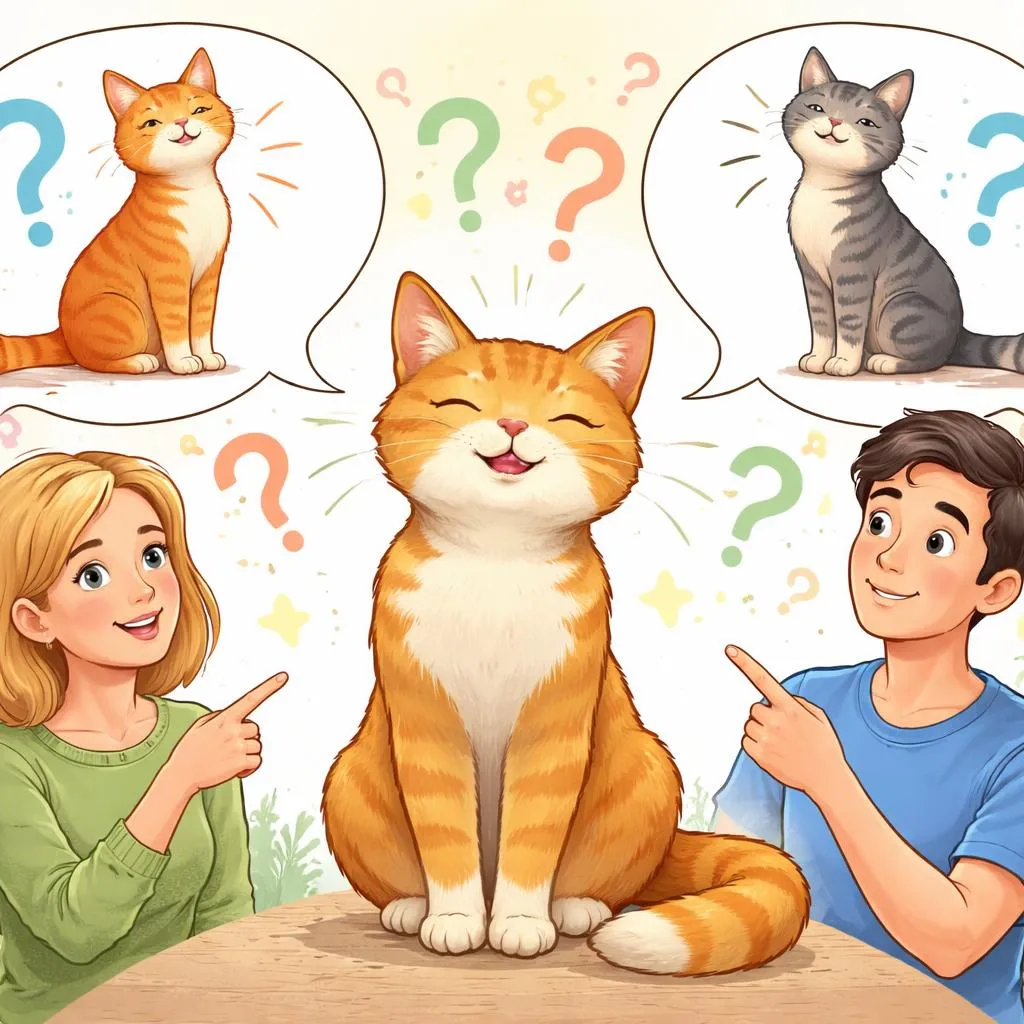

What Do These Expressions Mean? “It's a cat” and “a feline” both identify the same animal: the common domestic pet that meows. They tell someone that the soft, furry creature is a familiar house pet. Children know this animal from homes, videos, and stories. Both name the animal.
“It's a cat” is the common, everyday word for the animal. A child says it when petting a tabby. It is warm and simple.
“A feline” is the scientific or formal word for the cat family. It includes lions, tigers, and house cats. A child might hear it in a science book. It sounds more grown-up.
These expressions seem similar. Both refer to the same kind of animal. Both are correct. But one is for daily talk while one is for science or formal writing.
What's the Difference? One is for everyday talk. One is for science or formal use. “It's a cat” is what you say at home. It is friendly and natural. Children learn it first.
“A feline” is for biology class or when distinguishing cat family from dog family. You might say “lions are felines.” It is less common in daily life. A child saying “it's a feline” sounds like a little zoologist.
Think of a child cuddling a kitten. “Look at the cute cat” is right. “What a lovely feline” would sound strange. One is for love. One is for textbooks.
One is for all people. The other is for older children. “Cat” is for toddlers. “Feline” is for school reports. Use the first for speaking. Use the second for writing.
Also, “feline” can describe cat-like grace. “She moved with feline grace.” That is an adjective meaning graceful like a cat. Context tells the meaning.
When Do We Use Each One? Use “it's a cat” for everyday conversation. Use it at home, at a friend’s house, or at the vet. Use it to name pets and strays. It fits daily life.
Examples at home: “It's a cat. Her name is Luna.” “It's a cat, not a dog.” “That’s a cat. It’s sleeping.”
Use “a feline” for science lessons or formal writing. Use it in a report about animals. Use it to talk about the cat family in nature. It fits educational contexts.
Examples for science: “A tiger is a feline.” “Lions, tigers, and house cats are all felines.” “The feline family is known for hunting.”
Children can use both. “Cat” for everyday. “Feline” for school. Both are correct.
Example Sentences for Kids It's a cat: “It's a cat. It says meow.” “It's a cat, and it's soft.” “Look at that cat. It's sleeping.”
A feline: “A lion is a feline.” “Felines have sharp claws.” “My science report is about the feline family.”
Notice “cat” is warm and friendly. “Feline” is scientific and formal. Children learn both. One for love. One for school.
Parents can use both. Petting a kitten: “it's a cat.” Reading about tigers: “felines.” Children learn different registers.
Common Mistakes to Avoid Some children call every animal a “feline” after learning the word. That is incorrect. Dogs are canines. Birds are avians. Teach the correct word for each group.
Wrong: “The dog is a feline.” Right: “The dog is a canine.”
Another mistake: using “feline” in casual conversation with friends. It sounds strange. Say “cat” at the playground. Save “feline” for the classroom.
Wrong: “I saw a feline in my backyard.” Right: “I saw a cat in my backyard.”
Some learners forget that “feline” is also an adjective. “Feline grace” means like a cat. “Cat grace” is not a phrase. Teach the adjective meaning too.
Also avoid using “feline” just to sound smart. Using a science word when a simple word works better can seem odd. Match your word to your listener.
Easy Memory Tips Think of “it's a cat” as purring and kneading. Soft. Warm. Friendly. For daily talk.
Think of “a feline” as a science textbook with a lion on the cover. Facts. Families. Classifications. For school and science.
Another trick: remember the situation. “Cat” for playing. “Feline” for learning. Playing gets “cat.” Learning gets “feline.”
Parents can say: “Cat for a lap. Feline for a science map.”
Practice at home. Pet a cat: “it's a cat.” Read about lions: “a feline.”
Quick Practice Time Let us try a small exercise. Choose the better phrase for each situation.
A child is petting a neighbor’s fluffy calico cat. a) “It's a feline.” b) “It's a cat. It’s so soft.”
A child is writing a report about tigers for school. a) “A tiger is a cat.” b) “A tiger is a feline.”
Answers: 1 – b. A friendly petting moment fits the warm “cat.” 2 – b. A school science report fits the formal “feline.”
Fill in the blank: “When I see a kitten playing with yarn, I say ______.” (“It's a cat” is the warm, friendly, everyday choice.)
One more: “In biology class, we learned that lions are part of the ______ family.” (“Feline” fits the formal, scientific, classification language.)
All cats are felines, but not all felines are house cats. “It's a cat” is for the pet you love. “A feline” is for the whole family in science class. Teach your child both. A child who knows both loves animals and learns biology.
Wrap-up “It's a cat” is the everyday, warm word for the common house pet. “A feline” is the scientific or formal term for the cat family, including lions and tigers. Use “it's a cat” for pets, stories, and daily life. Use “a feline” for science class, animal reports, and formal writing. Both words name the same animal family. A child who learns both can talk about their pet and pass science class.