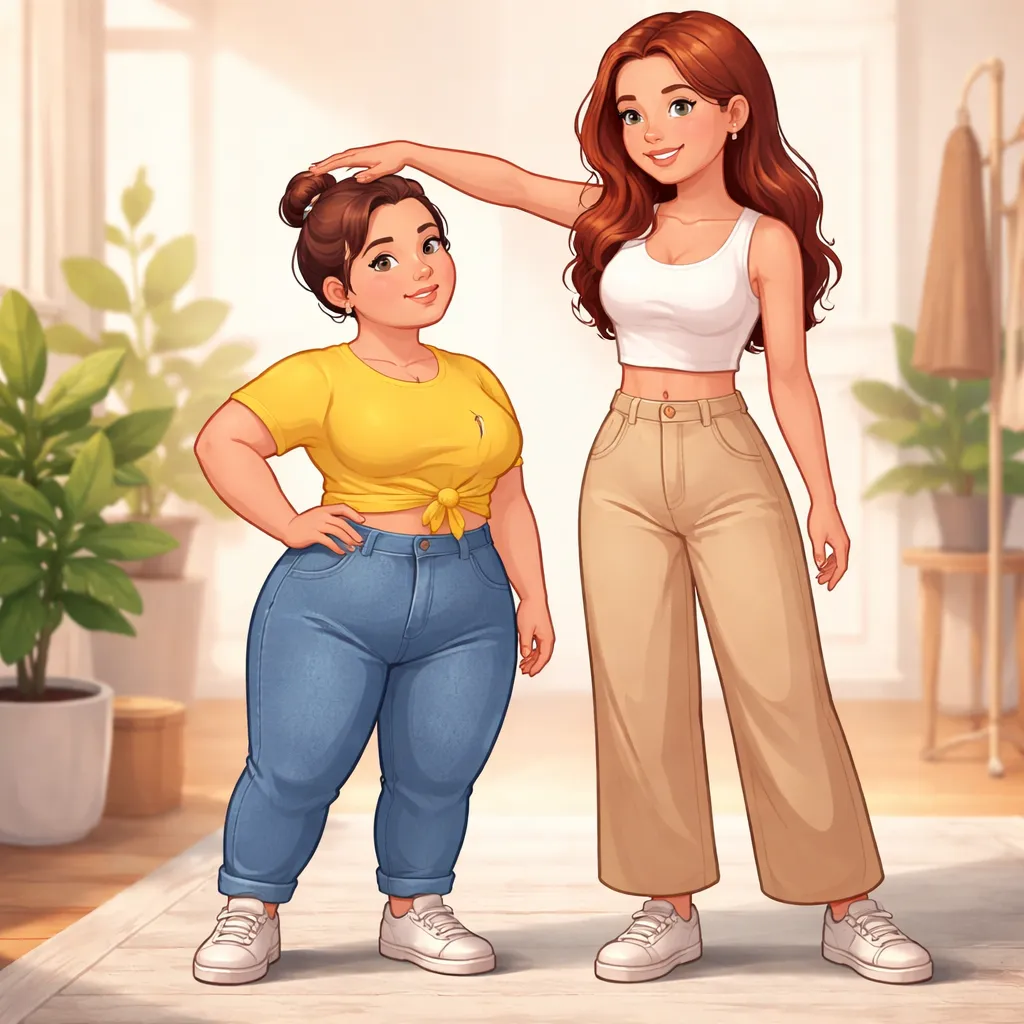

Children notice when people are not tall. A young sibling, a friend, a grandparent. Parents say “The pencil is short” or “She has a petite frame.” Are “short” and “petite” the same word? This guide helps your child understand the difference.
Both words describe small height or size. But one word means not tall or not long. The other word means small and slender in an attractive way. Let us explore these size words together. Your child will learn to use both with confidence.
Are Similar Words Really Interchangeable? “Short” and “petite” seem very close. But you cannot always swap them. Each word carries a different tone. Knowing this helps your child speak more precisely.
Imagine a short pencil. The pencil is short. It is not long. Now imagine a petite woman wearing a small dress. She is petite. She is short and slim with a small build. Short means not tall or not long. Petite means small and slender, usually for people.
Sometimes both words work. “A short person” and “a petite person” are both fine. But a short man is rarely called petite. Petite is usually for women or small-framed people.
Set 1: Short vs Petite — Which One Is More Common? “Short” appears very often in daily English. Children say “I am short” or “Short hair.” Parents say “Short time” or “Short story.” It is a short, common word. Everyone uses it for height, length, and time.
“Petite” is less common, especially for kids. It sounds more specific and gentle. We use it for clothing sizes or small-framed people. “Petite size” or “Petite figure.” A child might hear “petite” but rarely say it.
Teach “short” first to your child. It is perfect for height and length. Introduce “petite” for small, slender people. “The petite dancer moved gracefully.” This makes “petite” feel special.
Set 2: Short vs Petite — Same Meaning, Different Contexts Both words can mean not tall. But the context changes the tone. “Short” focuses on measurement. “Petite” focuses on body type and proportion.
Think about a short tree. The tree is short. It does not grow high. Now think about a petite woman. She is petite. She is not only short but also slim and small-boned. So short is about height. Petite is about overall small, slender build.
Help your child see context with examples. “The short fence was easy to climb.” “The petite girl wore a size small dress.” This builds real-world understanding. It also makes language more precise.
Set 3: Short vs Petite — Which Word Is “Bigger” or More Emphatic? “Petite” feels more descriptive and gentle. It describes a certain body type. Petite figure. Petite frame. Petite size. The word carries a sense of delicacy.
“Short” is broader and more neutral. Short can describe people, objects, or time. A short movie is not petite. So “petite” is more specific to body type. “Short” is about measurement.
For children, use “short” for height. “The short plant needed more sun.” Use “petite” for small, slender people. “The petite ballerina leaped across the stage.” This teaches specificity.
Set 4: Short vs Petite — Concrete vs Abstract Both words work for concrete things. Short pencil, petite woman. Children understand these easily. But abstract meanings are different.
Short temper means gets angry easily. Short notice means little warning time. Short memory means forgets quickly. Petite has almost no abstract uses. Petite is almost always about physical size. Abstract uses help children talk about behavior and time.
Start with concrete examples at home. “The short ruler was only six inches.” “The petite doll fit in my hand.” Then move to gentle abstract ones. “He has a short temper when he is tired.” “We had short notice before the trip.” These phrases build practical vocabulary.
Set 5: Short vs Petite — Verb or Noun? First Understand the Role “Short” is an adjective most of the time. “The short line moved quickly.” “Short” can also be a noun (short film or short circuit). But for children, teach it as an adjective.
“Petite” is always an adjective. “The petite model wore a small dress.” Both words work the same way grammatically. That makes them easier for children.
Teach both as describing words. “The short candle burned for an hour.” “The petite girl reached the top shelf.” This sequence avoids confusion. It also builds strong adjective skills.
Set 6: Short vs Petite — American English vs British English Both words are common in American and British English. There is almost no difference in meaning. But there are small preferences in use. Americans say “short” very often. British speakers say the same.
“Petite” is used more in American fashion. British English uses “petite” as well, especially for clothing. So this pair is easy for international learning. For your child, teach both words freely. A short pencil is short everywhere. A petite person is petite anywhere. This makes learning simple and safe.
Set 7: Short vs Petite — Which Fits Formal Situations? Formal situations prefer “short” for measurements. A report says “The short duration affected results.” It might also say “petite duration,” but that is wrong. “Short” sounds professional.
“Petite” works in formal writing for clothing. “The petite size is available in stores.” But for general use, “short” is safer. So formality and context change the word choice.
For children, you do not need formal rules yet. But you can show the difference. “At school, the teacher says short story.” “In a clothing catalog, they write petite size.” This gentle difference prepares them for later.
Set 8: Short vs Petite — Which One Is Easier for Kids to Remember? “Short” is very easy for young children. It has five letters and one clear sound. Kids know short from height and time. “Short means not long or tall.” Memory sticks through daily life.
“Petite” is harder for small kids. It has two syllables: “pe-tite.” You can connect it to “small.” “Petite means small and slender.” That simple sentence helps.
Use feelings to help remember. “The short crayon was almost used up.” “The petite bird fit in my palm.” Repeat both words during size talk. “This line is short. That dancer is petite.”
Mini Exercise: Can You Spot the Differences Between These Similar Words? Try these simple questions with your child. No pressure, just playful thinking.
Which word fits better? “The ____ line at the store moved quickly.” (Answer: short)
Which word fits better? “The ____ woman wore a size zero dress.” (Answer: petite)
Is this concrete or abstract? “He has a short temper when he is hungry.” (Answer: abstract)
True or false? A petite person is always short. (Answer: generally true — petite means short and slender)
Which word is used for clothing sizes? (Answer: petite)
Fill in the blank: “The ____ candle burned out fast. The ____ ballerina leaped lightly across the stage.” (Answer: short, petite)
Check answers together slowly. Talk about why each answer works. Praise every effort your child makes.
Parent Tips: How to Help Kids Learn and Remember Similar Words Learning similar words takes gentle repetition. Here are practical tips for your home.
First, use real short moments. Hold a short crayon. Say “This crayon is short.” Look at a petite person in a photo. Say “She has a petite build.” Your child sees and hears the difference.
Second, create a “short or petite” game. Look at different things: a short pencil, a short person, a petite doll, a tall tree. Ask “Is this short, petite, or both?” Talk about why petite means short AND slender.
Third, read fashion and size stories together. Many children’s books use these words. Pause and ask “Would the author say short or petite here?” This builds critical thinking skills.
Fourth, make a word wall at home. Write “short” in brown for height. Write “petite” in pink for small and slender. Add drawings of a short candle and a small dancer.
Fifth, use gentle correction. If your child says “The tall man is petite”, say “Petite means short and slender. A tall man is the opposite.” Never scold. Just explain.
Finally, celebrate body diversity. When your child uses either word correctly, celebrate. “Yes, the pencil is short. And the dancer is petite. Great describing words!” Positive feelings make both words stick. Your patience today builds their vocabulary for life.
Some shortness is about measurement. Other smallness is about a slender, petite build. Both words help us describe the wonderful variety of sizes. Keep practicing together in a warm, low-pressure way. Your child will learn to choose the right word naturally. And that small skill will make every size description more accurate in English.