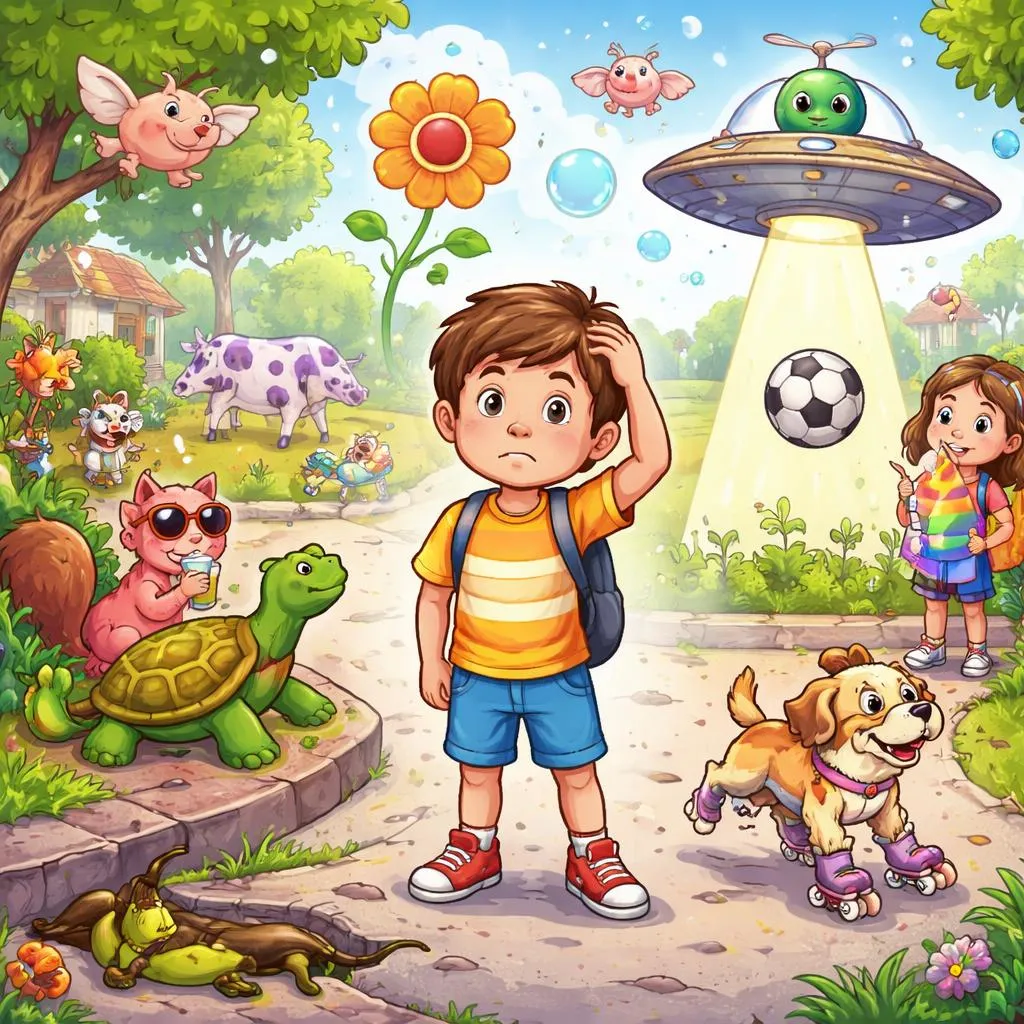
When Should You Feel Common To Something Or Ordinary To Something In Your Daily Life As A Kid?
Fun Introduction
Read More
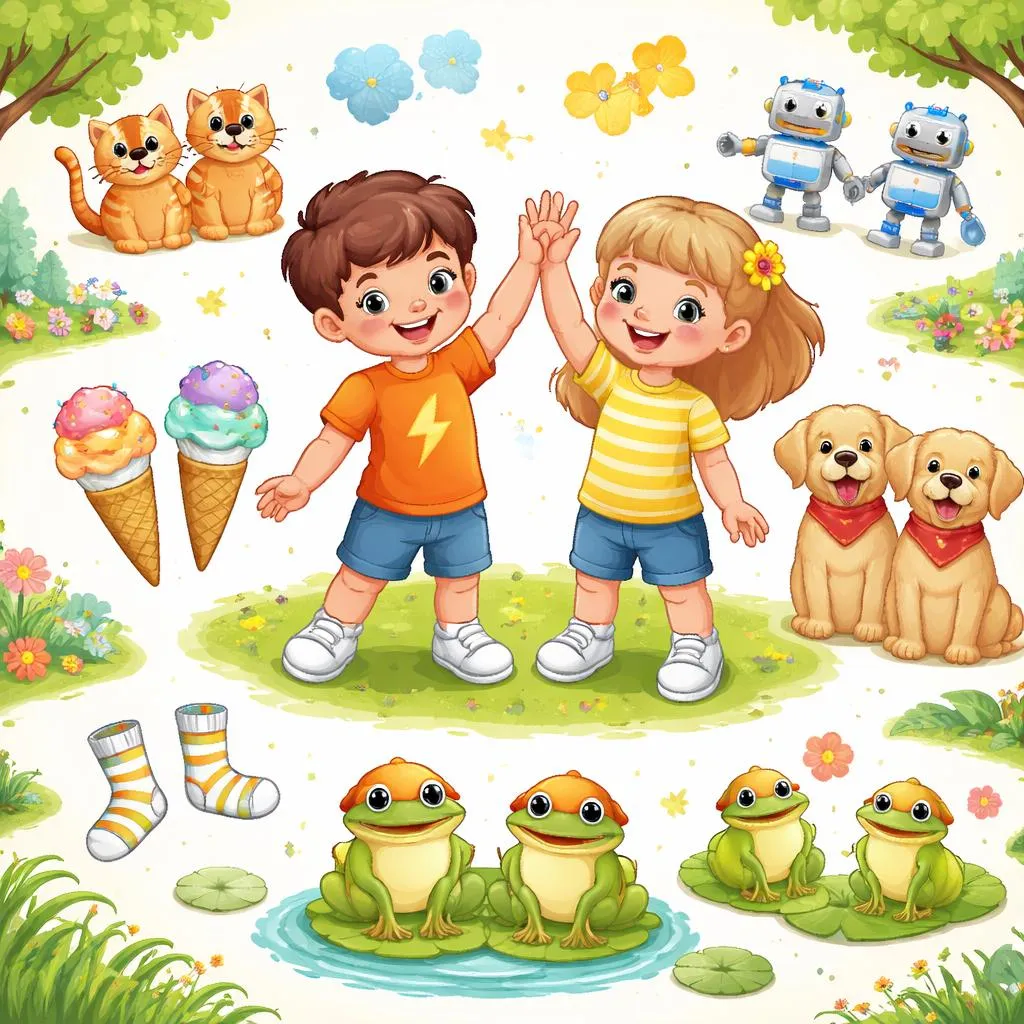
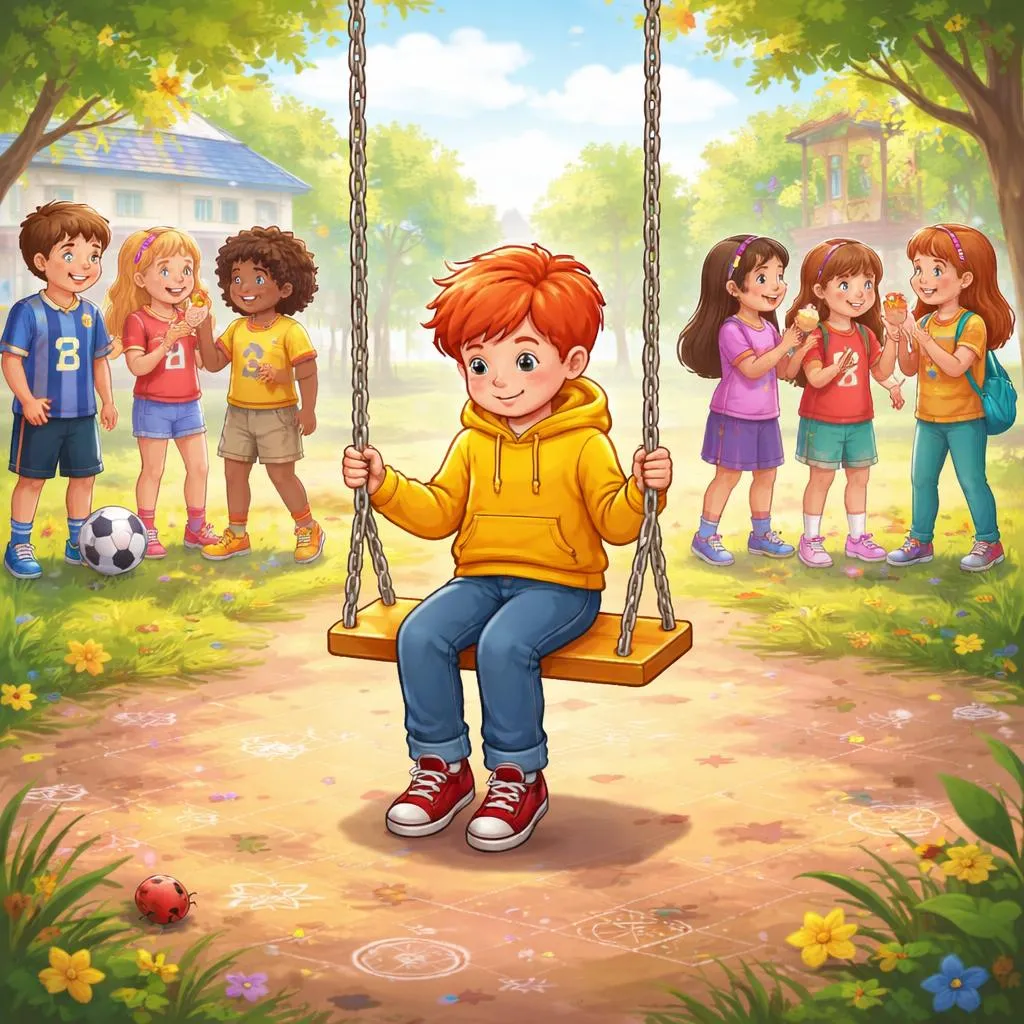
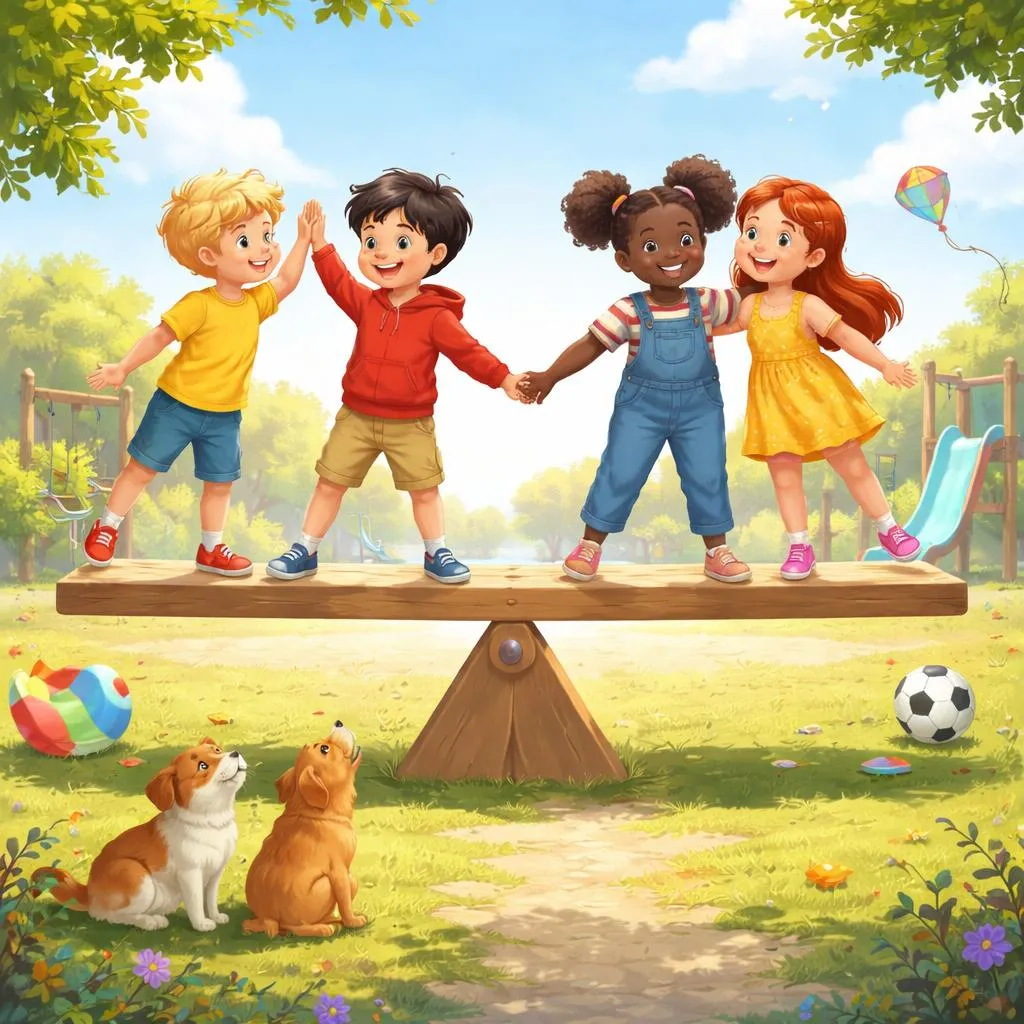
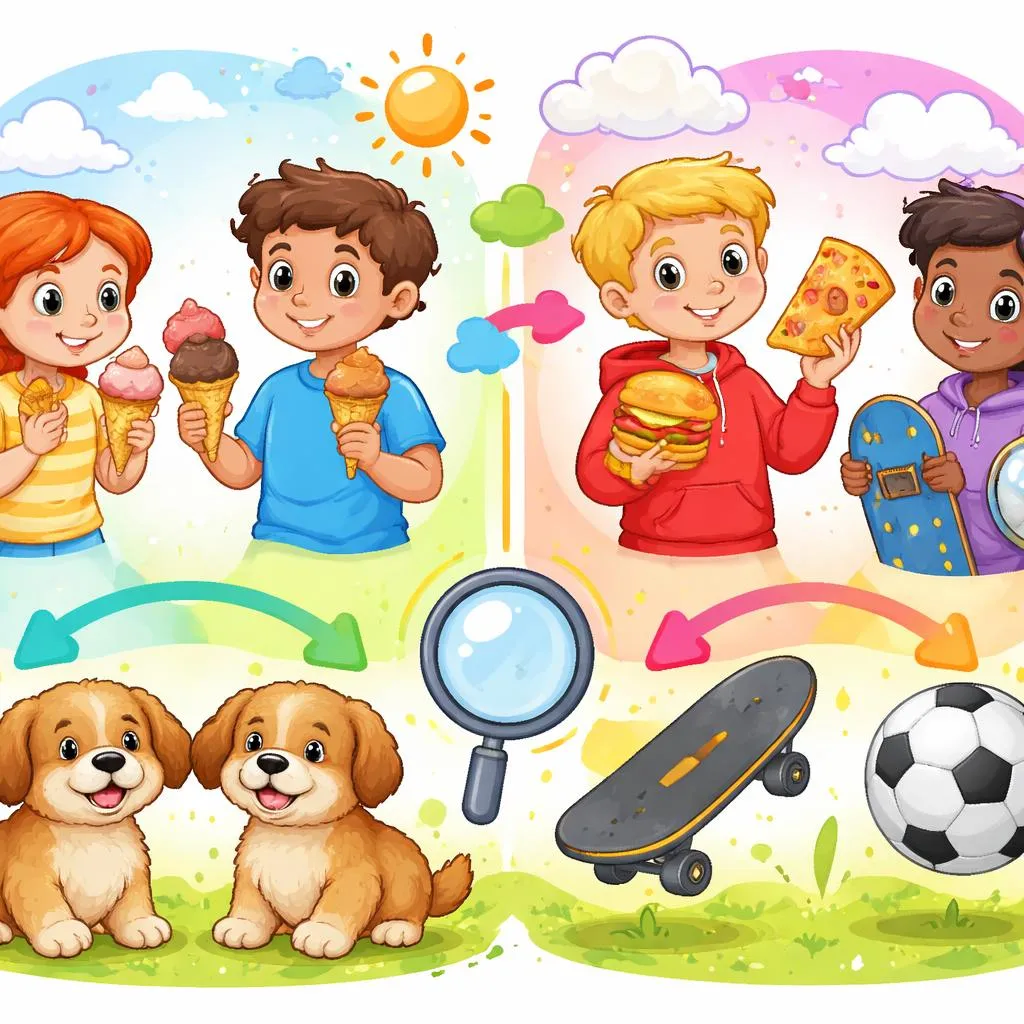

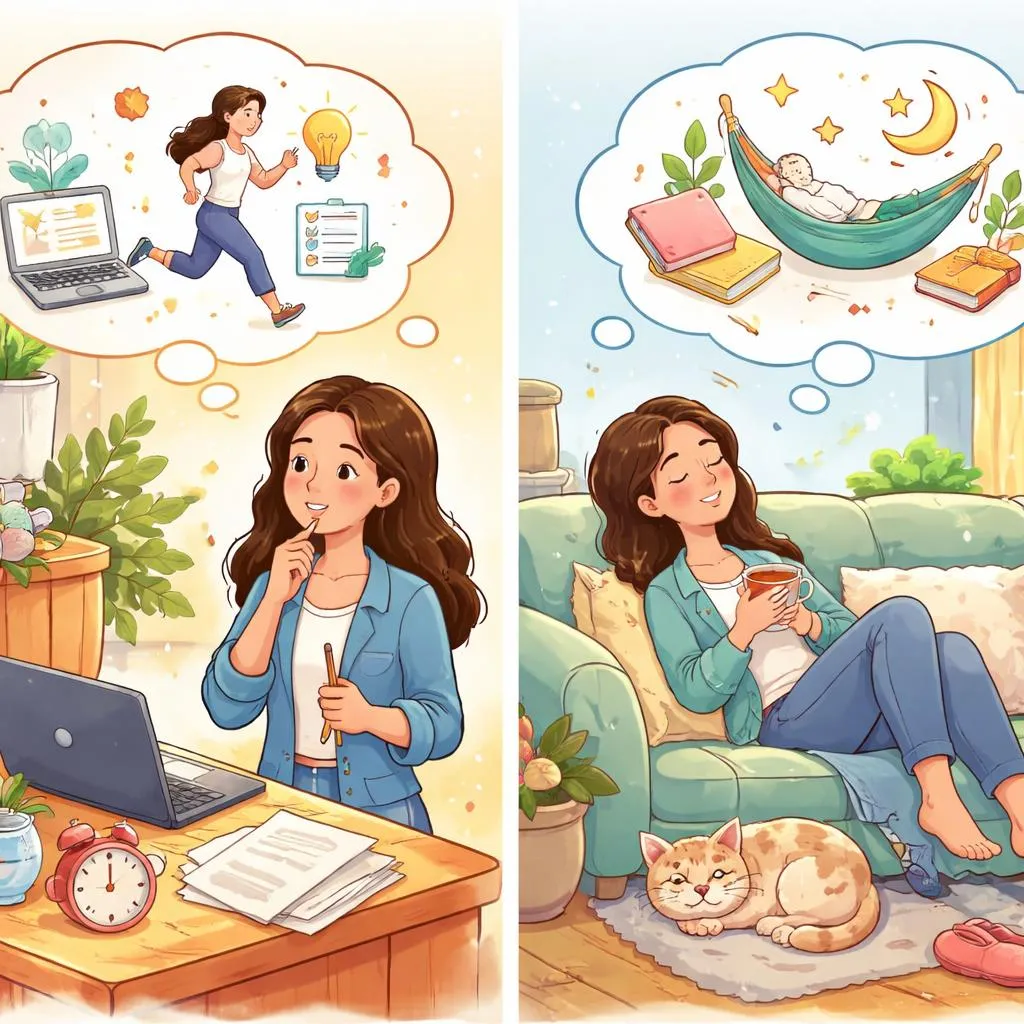
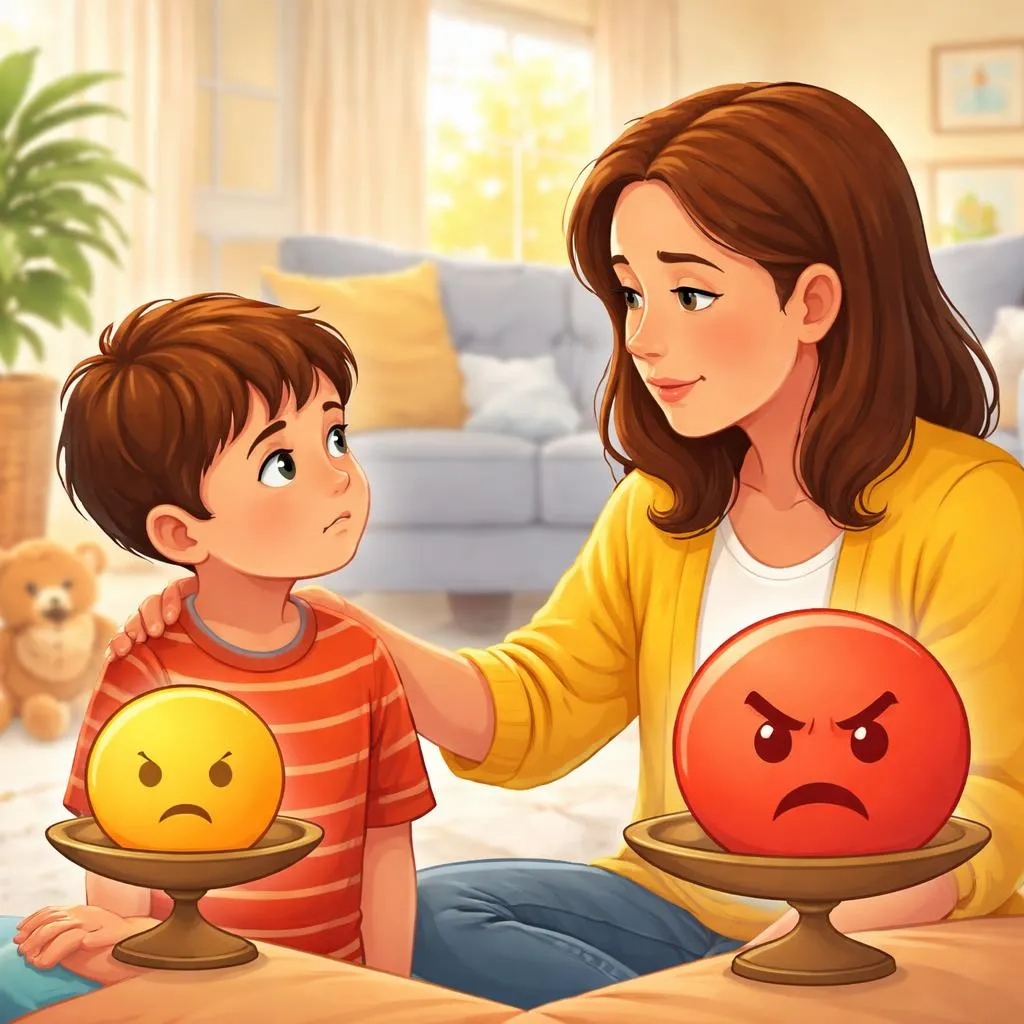
Not every moment brings praise. Children make mistakes. They break rules. They try things that do not work. Two common phrases describe poor outcomes. ...
Read More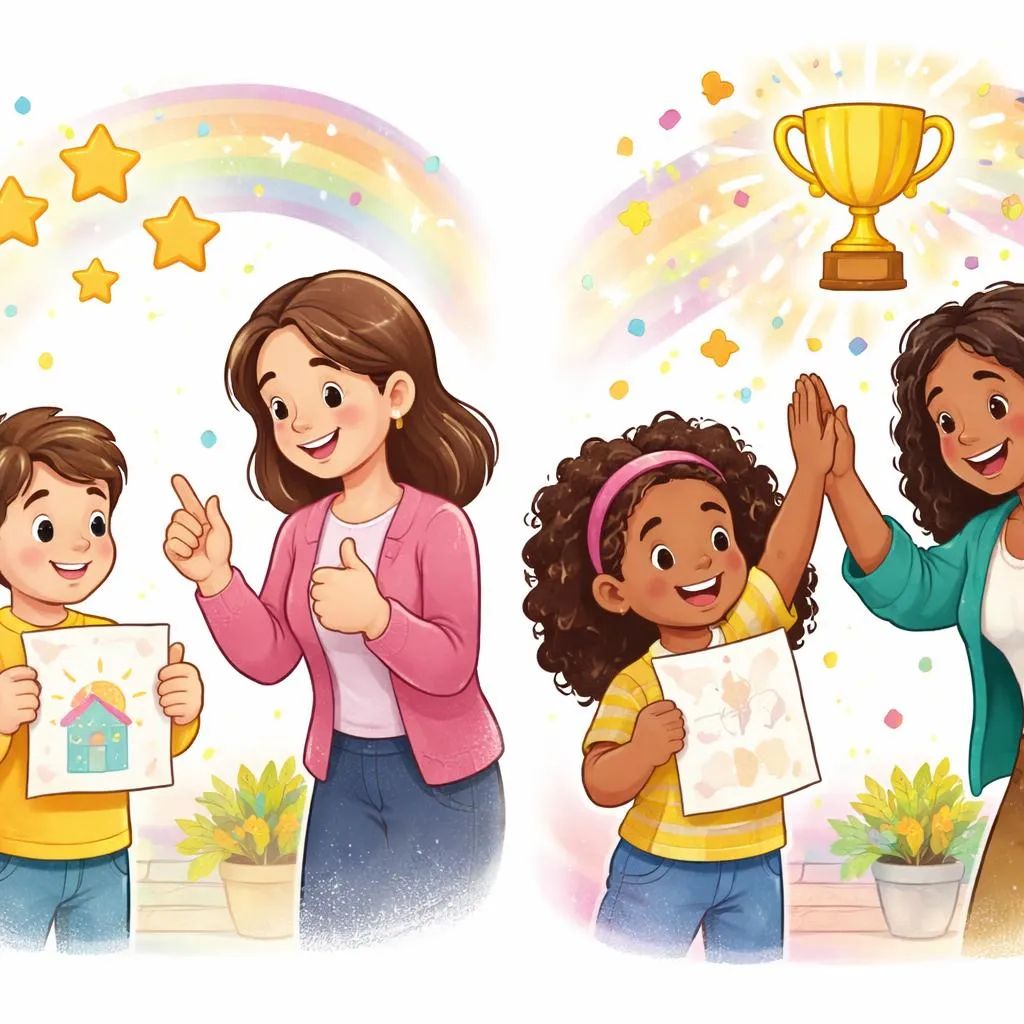
Children love hearing praise. It makes them feel proud. It pushes them to try harder. Two common phrases offer praise. “Very good” and “Excellent.” Bo ...
Read More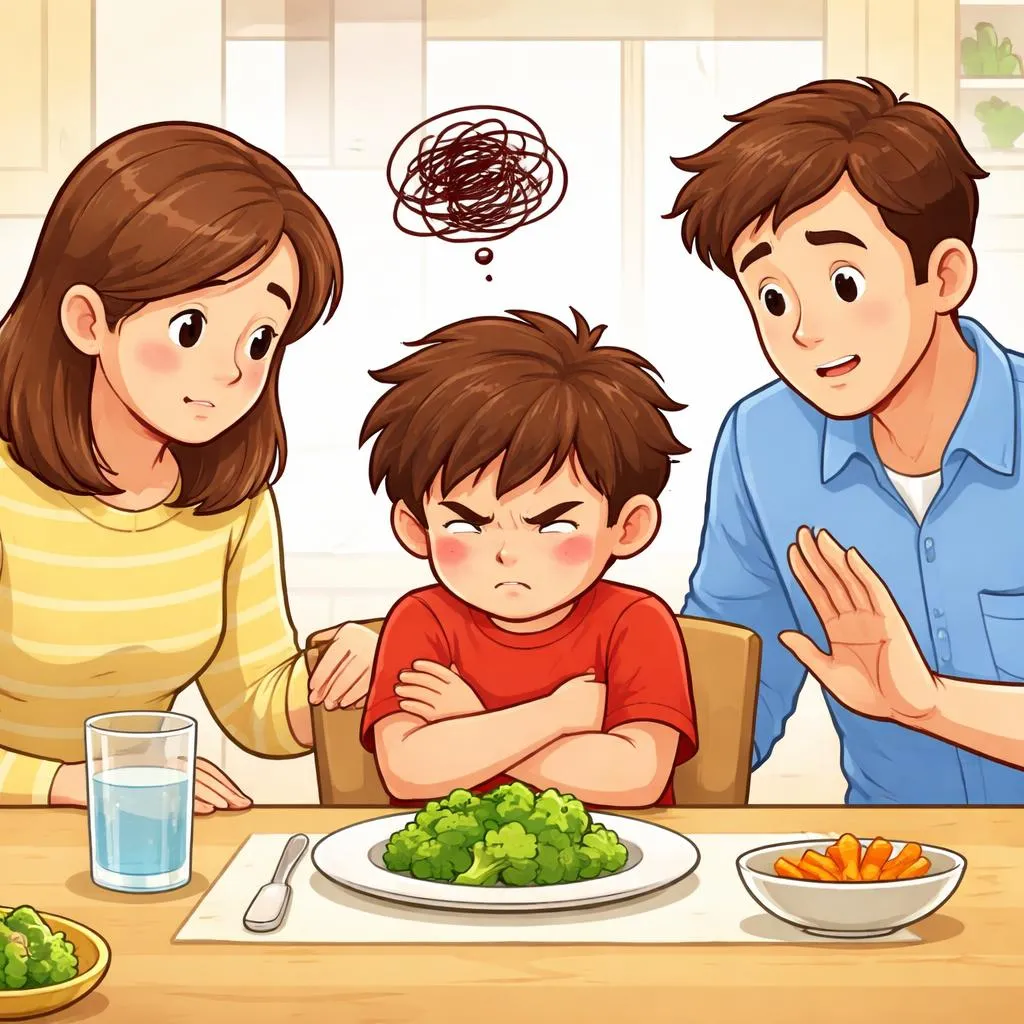
Not every experience brings joy. Children encounter things they dislike. A bad taste. A boring game. A scratchy shirt. Two common phrases express disl ...
Read More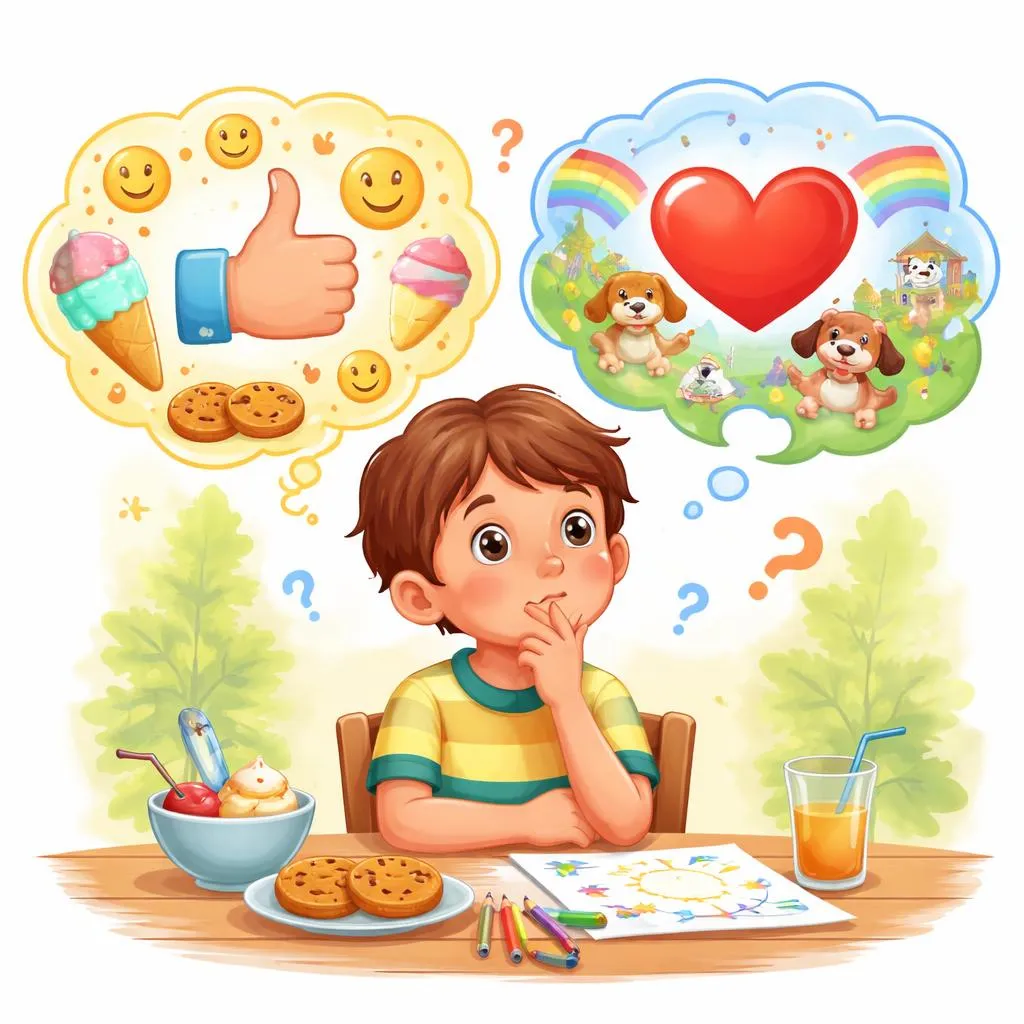
Children feel happy about many things. A new toy. A tasty snack. A fun game. Two common phrases share this happiness. “I like it” and “I love it.” Bot ...
Read More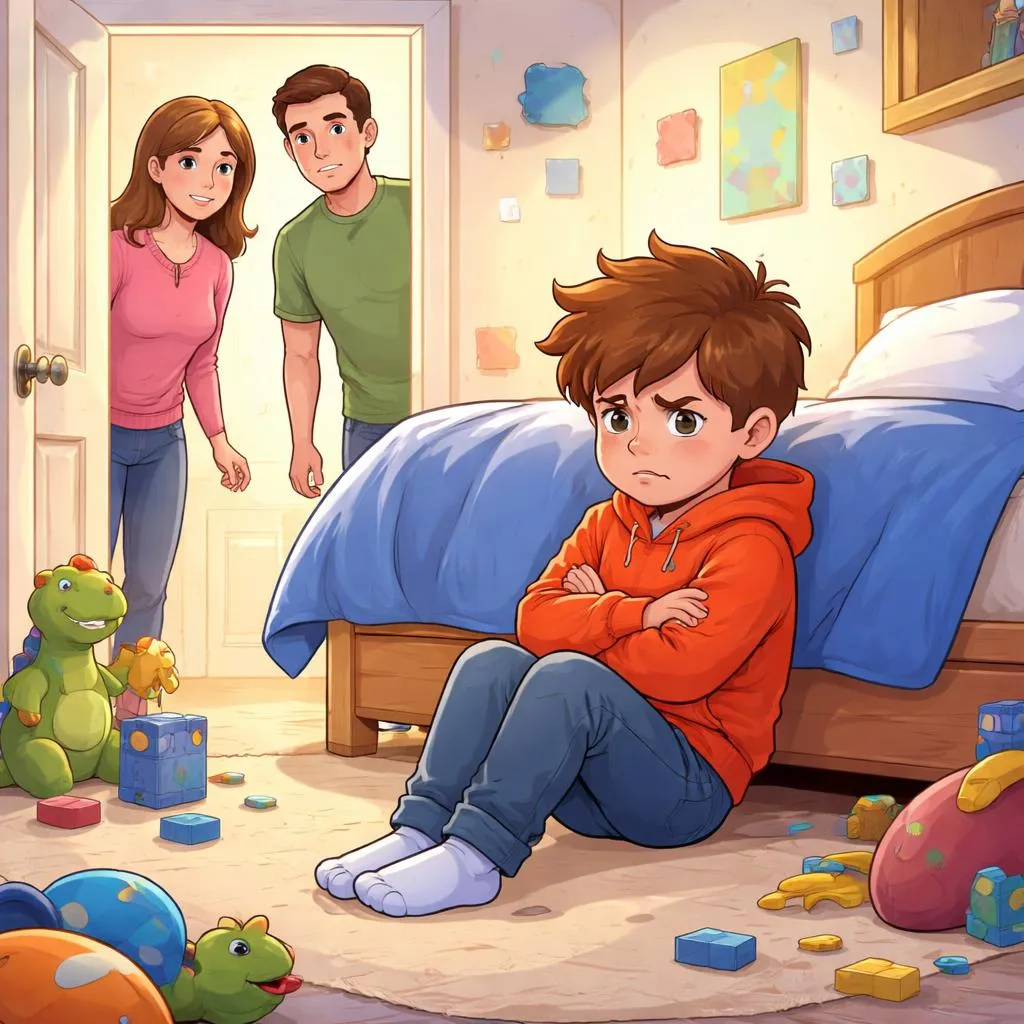
Everyone needs space sometimes. Children feel overwhelmed. They feel tired. They feel sad. Two phrases help them ask for alone time. “Go away” and “Le ...
Read More
Children need to call others. To show something. To ask for help. To start play. Two common phrases bring people closer. “Come here” and “Come over.” ...
Read More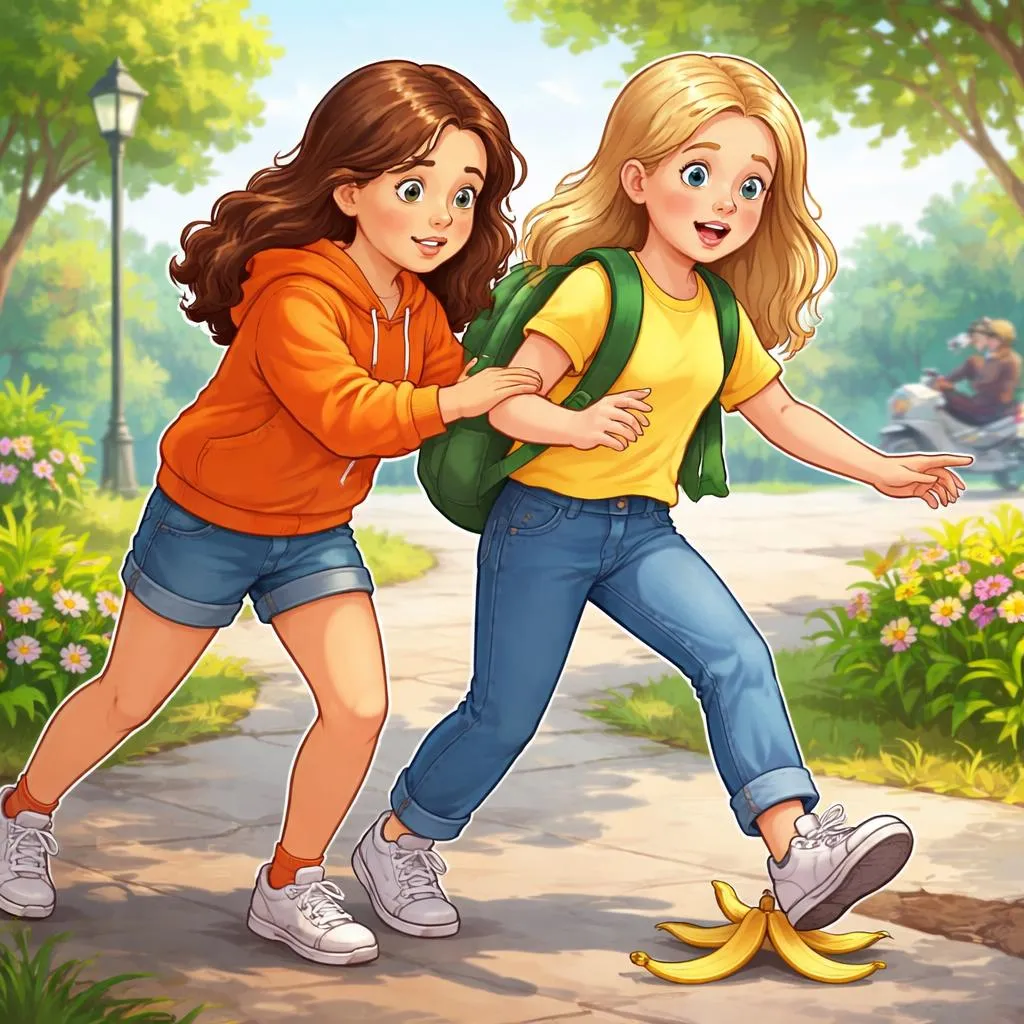
Children play. Children run. Children climb. Sometimes they need a warning. Two common phrases keep them safe. “Be careful” and “Watch out.” Both prev ...
Read More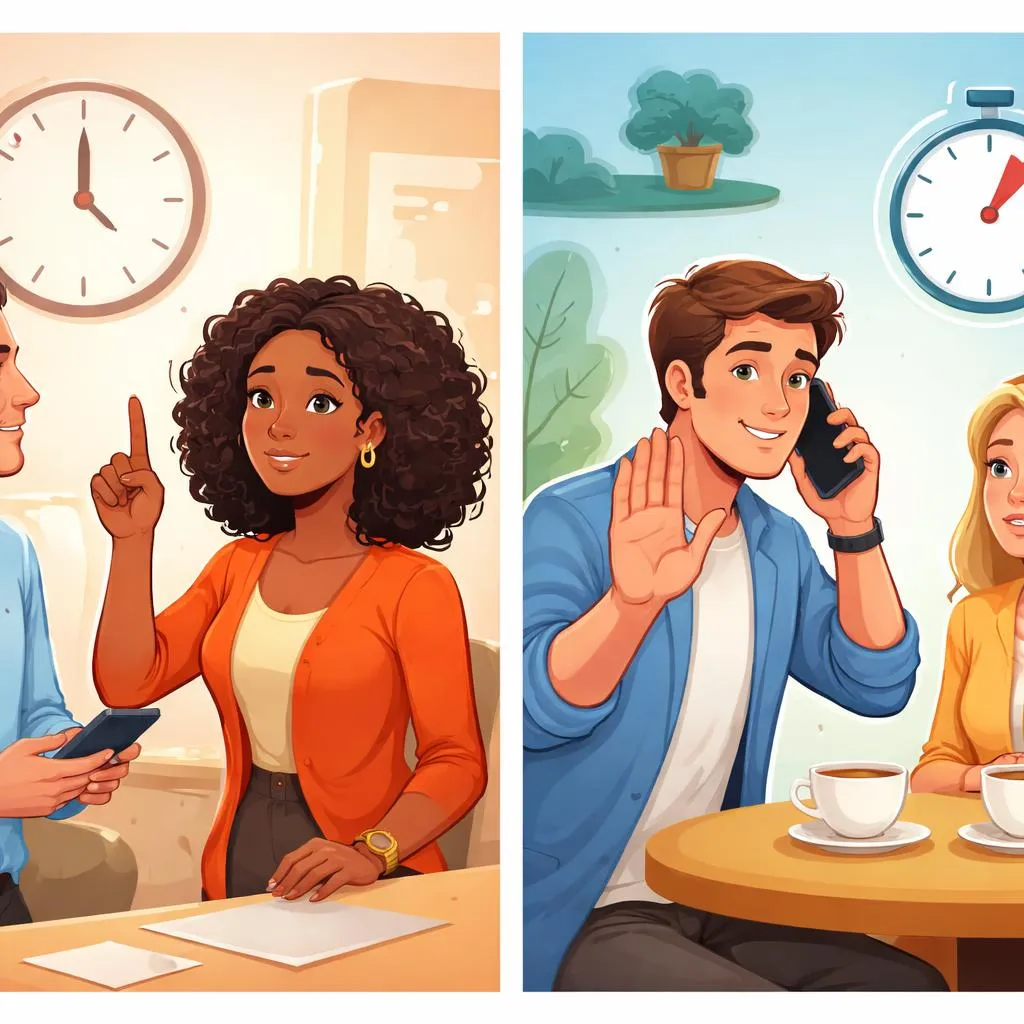
Life moves fast. Children often need others to slow down. Two common phrases ask for a pause. “Wait a minute” and “Hold on a second.” Both ask someone ...
Read More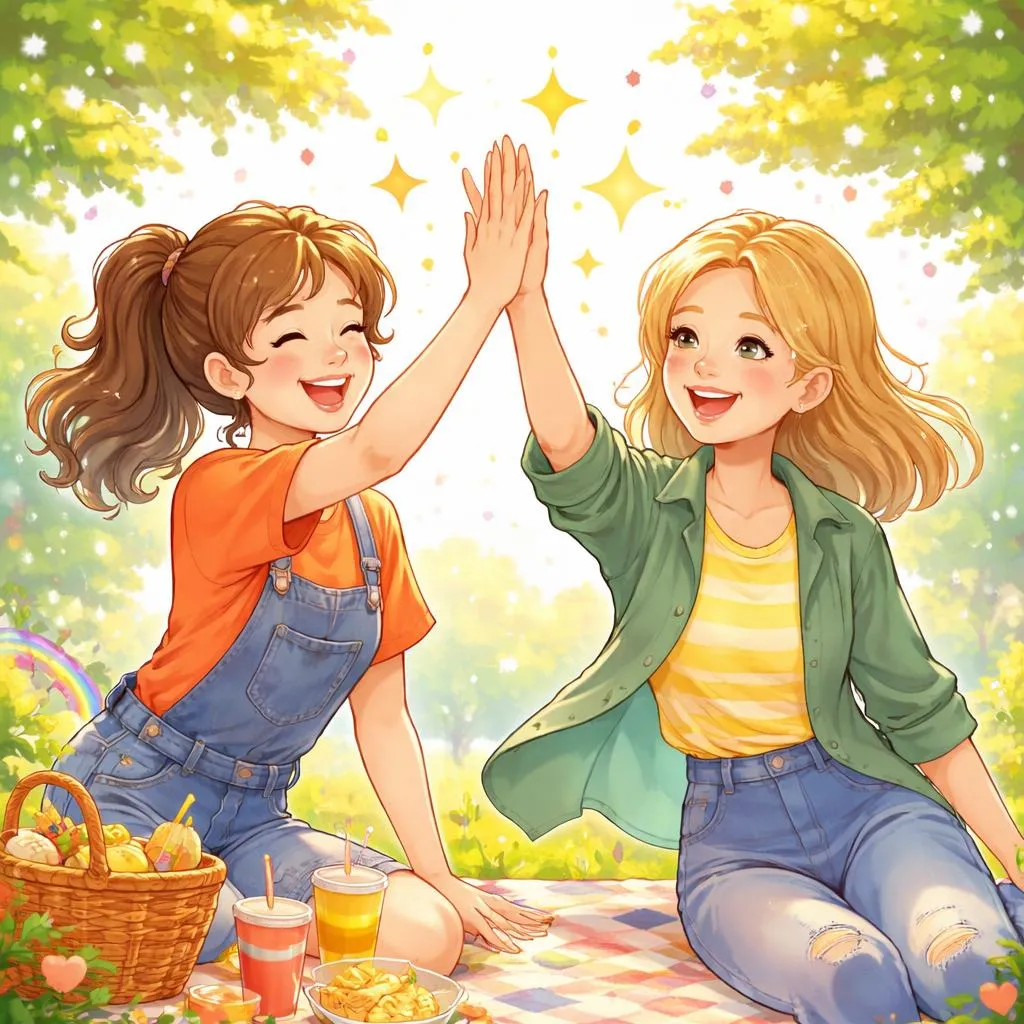
Children say yes many times each day. Yes to a game. Yes to a snack. Yes to helping a friend. Two cheerful phrases make saying yes even better. “Of co ...
Read More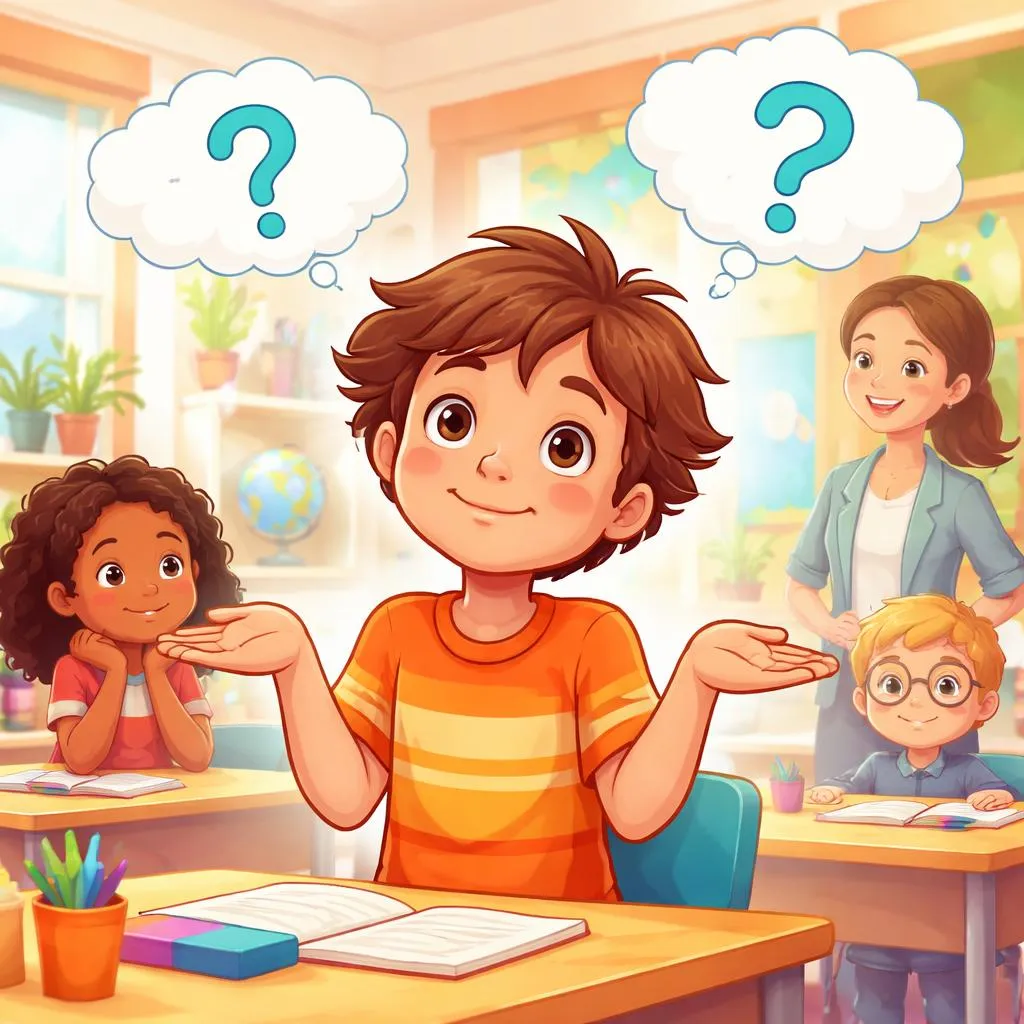
Children face questions every day. Some questions have easy answers. Some do not. Two common phrases help children admit uncertainty. “I don’t know” a ...
Read More
Every conversation needs a warm start. Children learn to ask about others early. Two common questions open many talks. “How are you?” and “How’s it go ...
Read More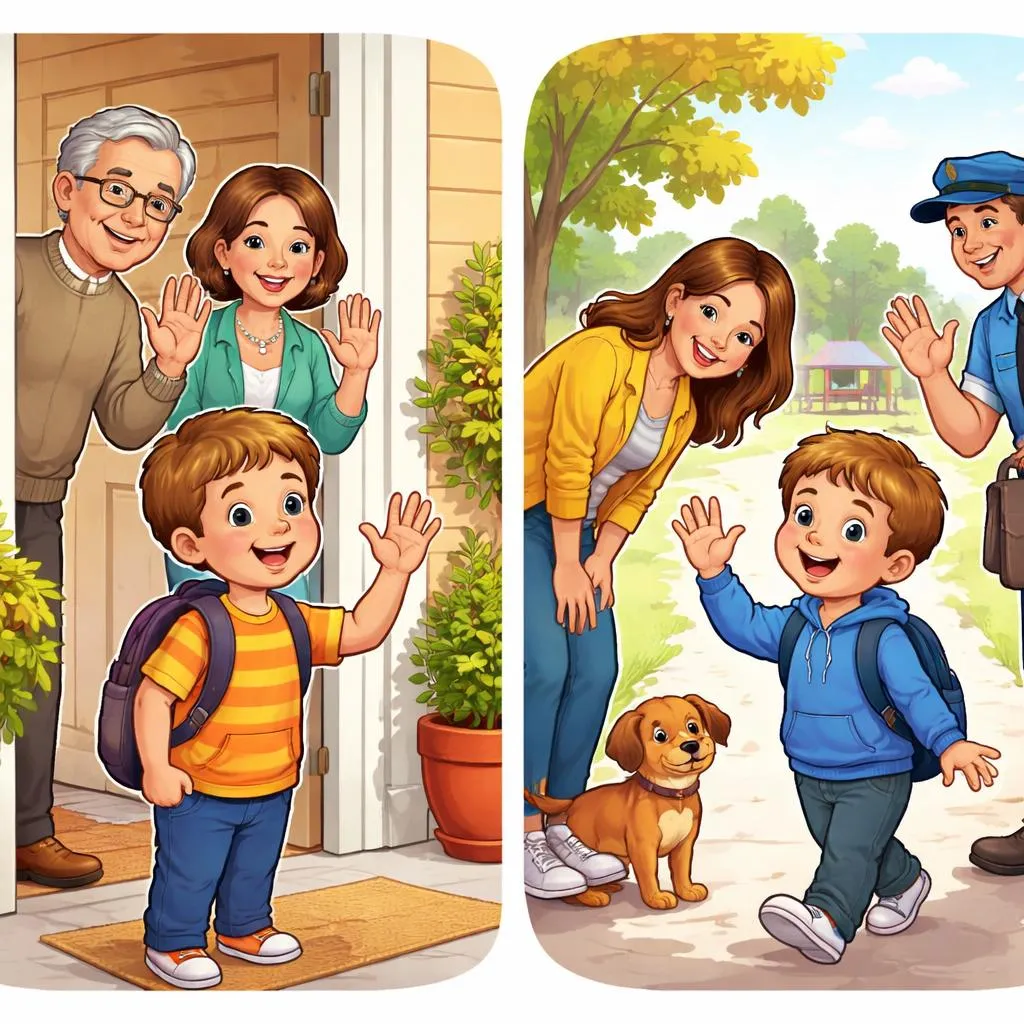
Every conversation starts with a greeting. Children meet new people every day. They see friends, teachers, and neighbors. Two common greetings help th ...
Read More
Leaving someone feels hard for children. They need kind words. Two common phrases help them say farewell. “Goodbye” and “See you later.” Both end a co ...
Read More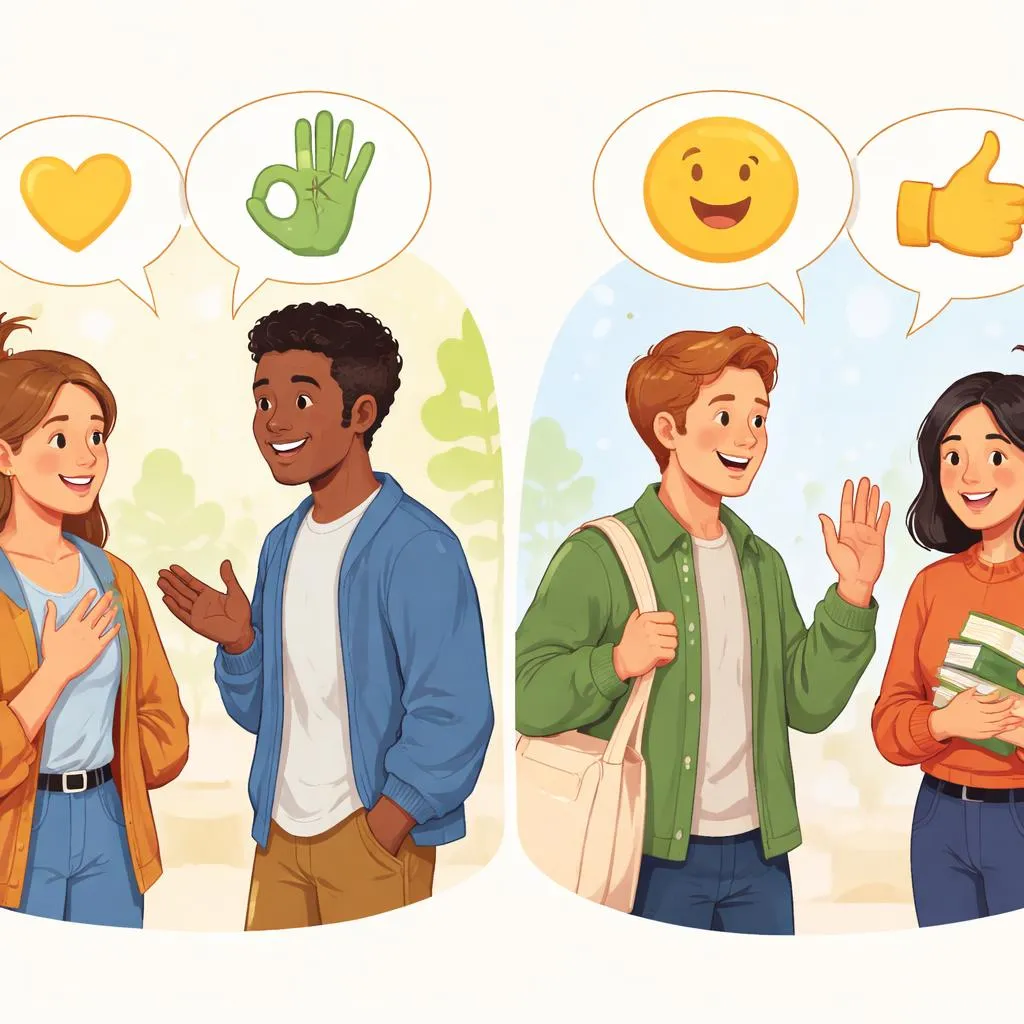
Children hear “thank you” every day. They need good replies. Two common answers exist. “You’re welcome” and “No problem.” Both sound polite. But they ...
Read More
When children learn English, small words make a big difference. Saying “thank you” opens doors. It shows kindness. It builds respect. Parents and kids ...
Read More
Saying sorry fixes small hurts. It mends friendships. It shows courage. Children learn this early. Two common phrases help them say sorry. “I’m sorry” ...
Read More