
Fun Introduction
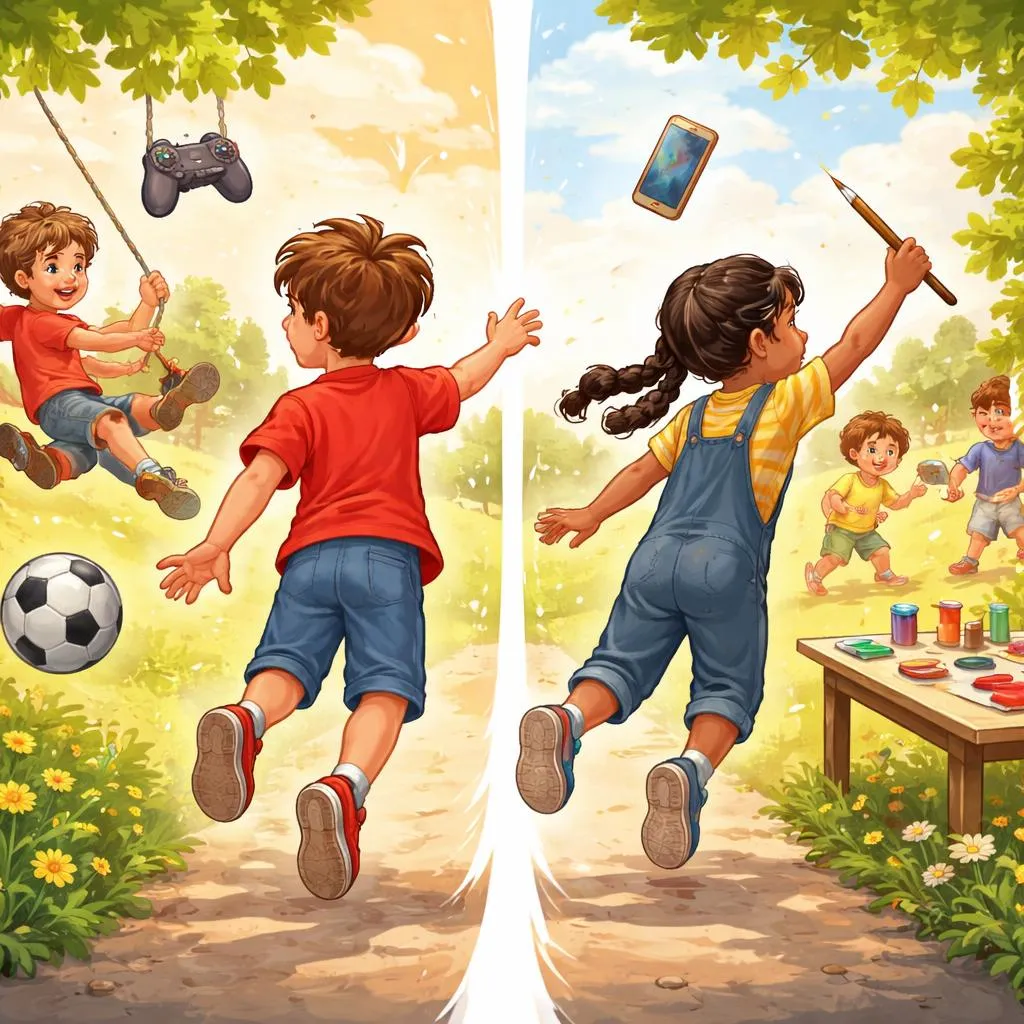
Last Saturday, Mia played with her toy airplane. She released the throttle gently. The plane glided smoothly across the sky. Later, Mia let go of the swing rope. She jumped off laughing with her friends. Both actions freed something. But releasing was careful and planned. Letting go was sudden and free. Mia wondered about the difference. She asked her dad. Dad smiled and explained. Releasing sets something free on purpose. Letting go stops holding it. Let’s learn together.
Word Breakdown
Core Principle
We reject boring dictionary definitions. We use pictures in your mind. We add functions and memory hooks. This helps you remember forever.
Release To Do
Image: Imagine releasing a dove from your hands. The bird flies up freely. That is release to do. It means setting something free intentionally.
Function: It is for planned freedom. Like release a caught fish. Or release a ladybug outside.
Sensory Description: You feel light weight leave your palms. You hear soft fluttering. Your hands open slowly.
Memory Anchor: A dove flying from cupped hands. See the wings spread wide? That is release to do.
Let Go To Do
Image: Think of letting go of a balloon string. The balloon shoots upward. That is let go to do. It means stopping your hold suddenly.
Function: It is for quick releases. Like let go of a hot pan. Or let go of a rope.
Sensory Description: You feel a sudden emptiness. You hear a quick whoosh. Your fingers uncurl fast.
Memory Anchor: A balloon floating away. See the string dangling free? That is let go to do.
Advanced Comparison
Release is intentional and gentle. Let go is sudden and abrupt. Release plans freedom. Let go ends holding. Use release for living things. Use let go for objects.
Scene Comparison
Scene One happens in the science lab. Leo releases a ladybug from his jar. He unscrews the lid slowly. The ladybug crawls onto a leaf. This is release to do—planned freedom.
Scene Two takes place on the playground. Emma lets go of the swing rope. She jumps off laughing. The swing keeps swaying. This is let go to do—sudden release.
Scene Three occurs at home. Ben releases his little sister’s hand. He lets her walk alone. Mia lets go of the kite string. The kite drifts down. Notice the shift. Releasing is caring. Letting go is quick.
Pitfalls Deep Reminder
Mistake One is saying “I let go the butterfly gently.” Why wrong? Butterflies need gentle release. Letting go is too sudden. Funny result? Butterfly thinks you dropped it. Correct phrase is I released the butterfly gently. Memory trick: Release living creatures.
Mistake Two is saying “I released the rope suddenly.” Why wrong? Ropes need letting go quickly. Releasing is too slow. Funny result? Rope stays in your hand. Correct phrase is I let go of the rope suddenly. Memory trick: Let go of ropes.
Mistake Three is saying “I let go the balloon to set it free.” Why wrong? Balloons need intentional release. Letting go is accidental. Funny result? Balloon pops on the fence. Correct phrase is I released the balloon into the sky. Memory trick: Release balloons.
Mistake Four is saying “I released my grip on the railing.” Why wrong? Railings need letting go for safety. Releasing is too careful. Funny result? You slip and fall. Correct phrase is I let go of the railing. Memory trick: Let go for safety.
Interactive Exercises
Read each sentence. Pick release or let go.
I will ___ the goldfish back into the pond. (release/let go)
She ___ the hot cookie sheet quickly. (release/let go)
We ___ the class hamster into its cage. (release/let go)
He ___ the rope when the bell rang. (release/let go)
They ___ the captured firefly outside. (release/let go)
Act with a friend. Use the phrases.
Scene A: Gentle Releasing
A: I need to release this carefully.
B: Open your hands slowly.
Scene B: Sudden Letting Go
A: I will let go now.
B: Jump and land softly.
Spot the Mistake
Which sentence sounds odd? Explain why.
Sentence: I let go the bird from my hands softly.
Reason: Birds need releasing. Use release instead.
Sentence: I released the rope when it burned my hands.
Reason: Hot ropes need letting go. Use let go instead.
Sentence: I let go the fish into the stream gently.
Reason: Fish need releasing. Use release instead.
Create Sentences
Use both phrases.
Release to do: I release the ladybug onto a flower.
Let go to do: I let go of the swing to jump off.
Bonus Challenge
You catch a frog. Do you release or let go of it? Answer: Release. Frogs need gentle freedom.
Rhyme Time
Release it slow, let go fast.
One frees with care that lasts.
Living thing? Choose release.
Hot or quick? Let go in peace.
Homework Task
Pick one activity. Complete it this week. Share with family.
Option One: Observation Journal. Get a small notebook. Draw three pictures. Write a sentence under each.
Picture One: You release something. Sentence: I released the butterfly today.
Picture Two: You let go something. Sentence: I let go of the hot pan.
Picture Three: You release something else. Sentence: I released the goldfish.
Show your journal to a parent. Explain the differences.
Option Two: Role Play. With a parent, act out moments. Use phrases correctly.
You: Mom, I will release the ladybug outside.
Parent: Place it gently on a leaf.
You: Dad, I will let go of the rope now.
Parent: Jump safely to the mat.
Practice until it feels natural.
Option Three: Sharing Time. Tomorrow at school, tell a friend. Describe one release and one let go. Say: Yesterday I released a firefly. I let go of the swing. Ask your friend about theirs.
Life Practice
Week Challenge: Try one task. Complete within seven days. Share your success.
Task One: Observation Log. For three days, note release and let go moments. Draw icons.
Day One: Release a bug. Draw a bug icon.
Day Two: Let go a rope. Draw a rope icon.
Day Three: Release a balloon. Draw a balloon icon.
Show your log to your teacher. Place it on the classroom wall.
Task Two: Action Demo. Use both phrases in real actions.
Step One: Release gently. Say: I release to set things free.
Step Two: Let go quickly. Say: I let go to stop holding.
Demonstrate to a sibling. Explain the difference.
Task Three: Social Mission. Use phrases with others.
Release to help a friend. Say: I release your caught bug.
Let go to help a friend. Say: I let go of your hand.
Record a short voice message. Send it to your teacher.
Task Four: Creative Story. Write a short tale. Include both phrases.
Title: The Kind Release.
Story: I released the trapped bird. Then I let go of the cage door. It flew free!
Share your story in class.
Remember, practice makes perfect. Use these phrases often. Soon they will feel easy.