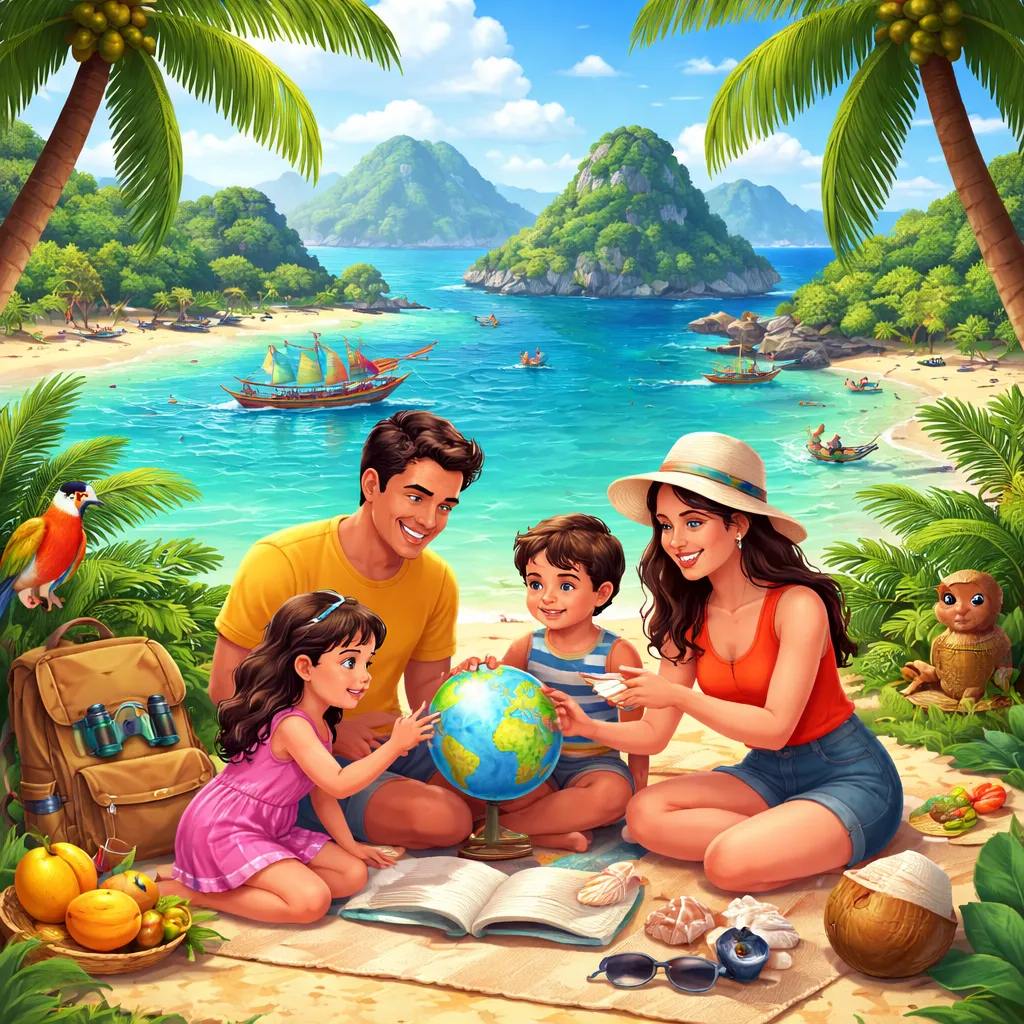

Introduction to Philippines
Language learning transports us to an archipelago of over seven thousand islands in Southeast Asia. Today we explore a country where warm hospitality meets breathtaking natural beauty. This nation holds rice terraces carved into mountains thousands of years ago. Children will discover colorful jeepneys that serve as rolling works of art. They will learn about a culture that celebrates family and community. Exploring Philippines builds reading skills while revealing a land of islands, traditions, and joyful spirit. Every fact uncovers a new treasure. Every word invites young readers to imagine this Pacific nation.
Where Is Philippines?
Philippines lies in Southeast Asia in the western Pacific Ocean. It forms an archipelago between the Philippine Sea and the South China Sea. The country shares no land borders. Its nearest neighbors include Taiwan to the north, Vietnam to the west, and Indonesia to the south. The capital city is Manila. Manila sits on the island of Luzon in the north. The country covers about one hundred fifteen thousand square miles of land spread across over seven thousand islands. The islands divide into three main groups. Luzon lies in the north. Visayas lies in the center. Mindanao lies in the south. Finding Philippines on a map shows a scattered chain of islands curving between the Pacific Ocean and the South China Sea.
Interesting Facts About Philippines
Philippines offers countless remarkable facts for young learners. It has over seven thousand islands. Only about two thousand islands are inhabited. Another interesting fact involves the Banaue Rice Terraces. Carved into the mountains of Luzon over two thousand years ago, they form a stairway of rice paddies. Some call them the Eighth Wonder of the World.
Philippines also has a unique mode of transportation. Jeepneys started from US military jeeps left after World War II. Filipinos extended them to carry more passengers. Today, each jeepney features colorful paint, chrome decorations, and phrases expressing faith or humor. Another fun fact involves the tarsier. This tiny primate lives in the Philippines. Tarsiers have enormous eyes and can turn their heads almost all the way around.
The country also has a unique writing system. The ancient script called Baybayin uses characters that represent syllables. Filipinos are reviving this script today. Another interesting fact involves Christmas. Philippines celebrates the longest Christmas season in the world. Decorations appear in September. Festivities continue until January. The country also has a unique festival. The Ati-Atihan Festival features people painting their faces black and wearing colorful costumes. They dance to drums in the streets. These facts show children a country of islands, art, and celebration.
Key Vocabulary About Philippines
Let us build vocabulary for this island nation. These words help children describe what they learn.
Archipelago: a group or chain of islands.
Jeepney: a colorful public transportation vehicle in Philippines.
Rice Terraces: stepped fields carved into mountainsides for growing rice.
Tarsier: a small primate with large eyes.
Baybayin: an ancient Filipino writing system.
Barong: a traditional embroidered shirt for men.
Adobo: a popular Filipino dish with meat, vinegar, and soy sauce. Introduce these words with pictures and stories. Show a jeepney with its bright colors. Show the Banaue Rice Terraces stepping down a mountain. Let children say each word aloud. These vocabulary words give children the language to explore Philippines' culture and landscapes.
Simple Sentences for Reading Practice
Short sentences help new readers build confidence. Use these sentences about Philippines for practice.
Philippines is a country with over seven thousand islands.
The capital city is Manila.
The Banaue Rice Terraces are over two thousand years old.
Jeepneys are colorful buses that carry people.
Tarsiers are tiny primates with big eyes.
People celebrate Christmas for many months.
Adobo is a popular dish. Read each sentence together. Let children point to the words. Encourage them to repeat after you. Use pictures to show each fact. These simple sentences prepare young readers for longer passages.
Short Reading Passage About Philippines
Here is a short passage for children to read together.
“Philippines rises from the Pacific Ocean as a chain of over seven thousand islands. The capital, Manila, spreads across the island of Luzon. In the mountains north of Manila, the Banaue Rice Terraces climb the hillsides. The Ifugao people carved these steps into the mountains over two thousand years ago. Water flows from the top terrace down to the bottom. In the cities, jeepneys fill the streets. Each jeepney wears bright paint and shiny chrome. Drivers decorate them with family names and prayers. In the forests, tarsiers cling to branches. Their huge eyes help them see at night. Filipinos celebrate with festivals throughout the year. At the Ati-Atihan Festival, dancers cover themselves in black paint and wear colorful headdresses. They dance to drums for days. Families share adobo, a dish of chicken or pork cooked in vinegar and soy sauce. The aroma fills homes across the islands. Philippines offers islands, traditions, and a welcoming spirit.”
Read this passage slowly together. Pause to talk about each idea. Ask children to find vocabulary words in the text. This activity builds reading fluency and deepens understanding.
Fun Questions About Philippines
Questions make reading interactive and engaging. Use these to start conversations with young learners.
How many islands does Philippines have?
What is the capital city of Philippines?
What are the carved rice terraces called?
What colorful vehicle started from old military jeeps?
What tiny primate lives in the forests?
What dish is popular in Filipino homes? Let children answer in complete sentences. Encourage them to use new vocabulary. Ask them to imagine riding in a jeepney. What colors and decorations would they want on it? Creative questions make the topic personal and exciting.
Tips for Learning English with This Topic
Use Philippines to create rich English learning experiences. Start with a map activity. Let children find Philippines in Southeast Asia. Point out the three main island groups and the many small islands. Discuss how living on islands shapes culture.
Next, introduce the vocabulary through a hands-on activity. Create a simple jeepney model using a cardboard box. Let children decorate it with bright colors and designs. For rice terraces, build terraces using clay or stacked paper to show how water flows from top to bottom. Use the words "jeepney," "rice terraces," and "archipelago" during the activity.
Read the passage aloud with energy and joy. Let your voice reflect the festive spirit of the Ati-Atihan Festival. After reading, let children draw a scene from Philippines. One child might draw a decorated jeepney on a city street. Another might draw the rice terraces with water flowing down. Let them label their drawings with vocabulary words. Add green for the terraces and bright colors for the jeepneys.
Incorporate a cultural connection. Talk about why Filipinos celebrate Christmas for so long. Discuss how festivals bring communities together. Ask children about celebrations in their own family.
Use music and movement to enhance the experience. Listen to Filipino folk music with guitars and drums. Let children move like dancers at the Ati-Atihan Festival. Pretend to ride a jeepney through city streets. Physical activity reinforces learning in joyful ways.
Encourage children to share their knowledge. Let them tell a family member about the Banaue Rice Terraces. They can explain what a jeepney is and why it is so colorful. Teaching others builds confidence and deepens understanding.
Connect Philippines to your child's world. Ask, “What festivals do we celebrate?” Compare them to the Ati-Atihan. Ask about vehicles in your community. Compare them to jeepneys. These connections help children see that language learning reading is about understanding different ways of celebrating and moving through the world. By exploring Philippines together, you give children a rich experience. They learn new words, discover a land of islands and joy, and grow their love for reading. This archipelago becomes a cherished part of their learning journey.