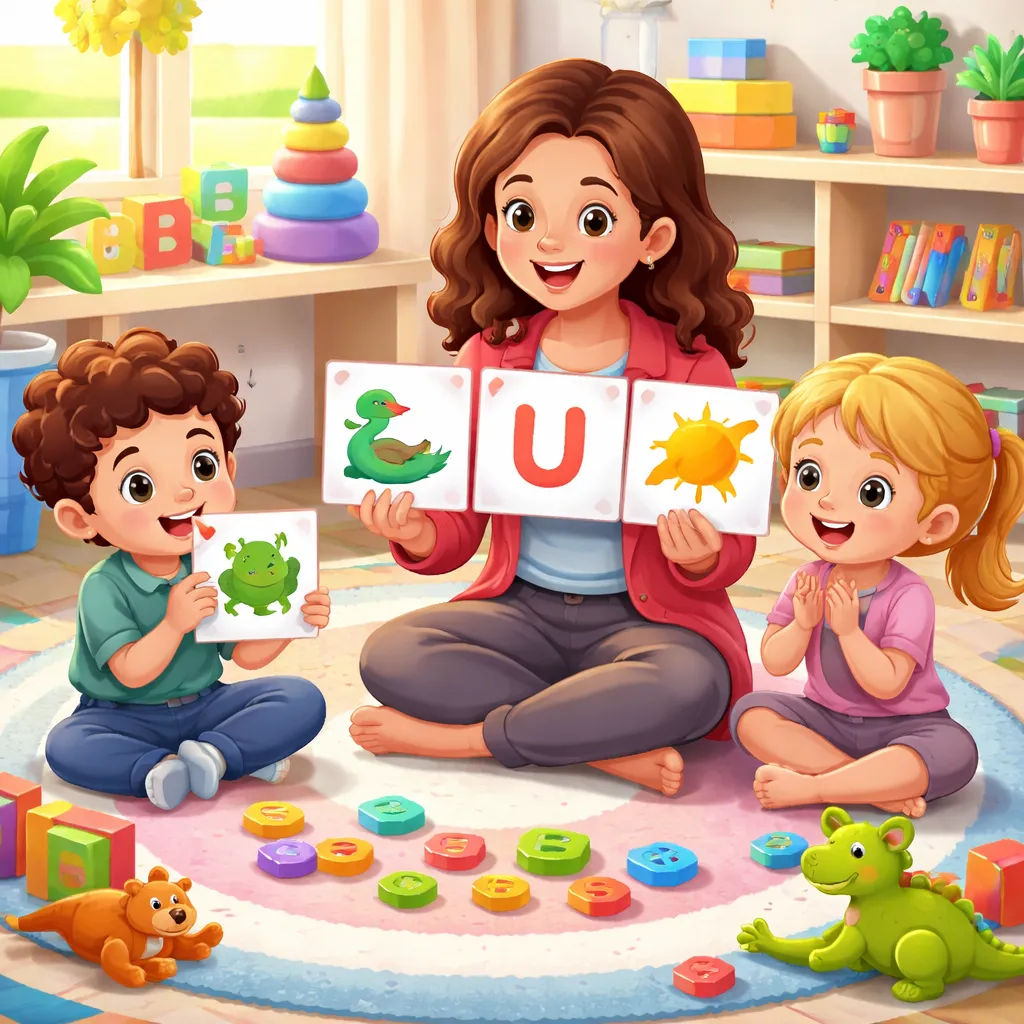

What Is This Situation? Blending is the heart of reading. It is putting sounds together to make a word. C-a-t becomes cat. S-u-n becomes sun. When a child learns to blend, they move from knowing letters to reading words.
How to teach blending sounds step by step gives parents a clear path. Start with two sounds. Then add three. Use your voice. Use your finger. Go slow. Celebrate each blend. With gentle steps, your child will learn to read.
This situation happens during reading practice, during word games, during quiet time at home. It is the moment when letters become words. It takes patience. It takes practice. But it is worth it.
These steps are gentle and playful. They build on each other. With each step, your child gains confidence. And one day, they will blend without thinking. That is reading.
Key English Phrases for This Situation Use phrases for starting. "Let us put sounds together to make a word." "I will say the sounds. You put them together." "Listen: c-a-t. What word is that?"
Use phrases for two sounds. "Let us start with two sounds. S-u. What word is that?" "S-u. Su? Yes, su is not a word. Let us try three sounds."
Use phrases for three sounds. "Now three sounds. C-a-t. Say the sounds with me. C-a-t." "Now faster. C-a-t. Cat."
Use phrases for blending. "Push the sounds together. C-a-t. Cat." "You blended the sounds. You read cat."
Use phrases for celebrating. "You blended your first word! Good job." "You are becoming a reader."
Simple Conversations for Kids Dialogue 1: Starting with Two Sounds Parent: "Let us practice blending. I will say two sounds. You put them together. M-e." Child: "Me." Parent: "Yes! Me. Good. Now g-o." Child: "Go." Parent: "Yes! You blended two sounds."
This conversation starts with simple two-sound words. The child succeeds. The parent celebrates. Confidence builds.
Dialogue 2: Adding a Third Sound Parent: "Now let us try three sounds. I will say them. You put them together. C-a-t." Child: "Cat." Parent: "Yes! Cat. Now d-o-g." Child: "Dog." Parent: "Good. You blended three sounds."
This conversation adds a third sound. The child blends. The parent praises. The skill grows.
Dialogue 3: Blending with a Finger Parent: "Let us use your finger. Touch each sound as you say it. C (touch), a (touch), t (touch). Now push them together. C-a-t. Cat." Child touches and blends. "Cat." Parent: "Good. The finger helps. Now try d-o-g." Child: "Dog." Parent: "You did it. You are blending."
This conversation uses a tactile tool. The child blends with support. The parent guides. The skill becomes automatic.
Vocabulary You Should Know Blend means to put sounds together to make a word. You can say "Let us blend c-a-t to make cat." This is the main skill.
Sound is what a letter makes. You can say "Say the sound of c." This is the building block.
Word is made of blended sounds. You can say "Cat is a word." This is the goal.
Segment means to take a word apart into sounds. You can say "Let us segment cat. C-a-t." This is the opposite skill.
Push means to move sounds together. You can say "Push the sounds together." This is the action of blending.
Finger is what you use to touch each sound. You can say "Use your finger to touch each sound." This is a helpful tool.
How to Use These Phrases Naturally Use a patient and encouraging tone. Blending takes time. Your child may not get it at first. Your patience says "You can do this."
Say the phrases slowly. Say each sound clearly. "C-a-t." Pause between sounds. Slow blending helps children hear the parts.
Start with two sounds. Then three. Then longer words. Do not rush. Master each step before moving on.
Use your finger. Touch each sound as you say it. Then slide your finger under the whole word. The finger makes blending visual.
Celebrate every blend. "You blended cat! Good job." Celebration makes reading feel good.
Common Mistakes to Avoid One mistake is going too fast. Slow down. Give your child time to hear the sounds. Speed comes later.
Another mistake is adding "uh" to sounds. "Cuh-a-tuh" instead of "c-a-t." Say pure sounds. "C-a-t." Quick and clean.
Some children say the sounds but cannot push them together. They say "c-a-t" but not "cat." Help them push. "Say them faster. C-a-t. Cat."
Avoid frustration. If your child is frustrated, stop. Try again later. Learning should feel good.
Tips for Parents and Practice Ideas Use magnetic letters. Put c, a, t on the fridge. Point to each letter. Say the sound. Then push them together. Hands-on learning works.
Start with words your child knows. Cat, dog, sun. Familiar words make blending meaningful.
Blend during play. "Let us blend m-a-t. Mat." The game makes practice fun.
Use a car. Drive a toy car over each letter. "C-a-t." Then speed up. "Cat." The car makes blending visual.
Practice every day. Five minutes a day is enough. Short, frequent practice works best.
Fun Practice Activities Play the blending game. You say the sounds. Your child blends. "C-a-t." "Cat." The game builds skill.
Make blending cards. Write letters on cards. Your child touches each card and says the sound. Then pushes them together.
Use a blending stick. Draw three circles on a stick. Put a letter in each circle. Your child touches each circle and blends.
Sing the blending song. "C-a-t, c-a-t, put them together, cat." Music makes blending fun.
Create a blending box. Put objects in a box. Your child picks an object. You say the sounds. Your child blends the word.
How to teach blending sounds step by step is about patience and play. Start with two sounds. Add a third. Use your finger. Go slow. Celebrate each blend. With gentle steps, your child will learn to blend. They will see c-a-t and read cat. They will see d-o-g and read dog. They will become a reader. That is the power of blending. One sound, then another, then a word. And your child will do it. With your guidance, one step at a time.