
Children count things daily. Many crayons. A lot of blocks. Both phrases mean a large number. But one works best with countable things. One works with everything. Parents and kids can learn together. Describing large amounts helps children share excitement. The right words make your meaning clear. Let us explore these two quantity expressions.
What Do These Expressions Mean? “Many” means “a large number of countable things.” You use it for items you can count one by one. Many toys. Many books. Many friends.
For a child, think of a jar full of marbles. “Many” says “Look at all those marbles. I could count them if I tried.”
“A lot of” means “a large amount or number.” It works for countable things and uncountable things too. A lot of toys. A lot of water. A lot of time.
For a child, think of a big pile of leaves. “A lot of” says “That pile is big. Many leaves. But also a lot of space.” Both phrases mean big quantity. Both say “not a few.” They seem similar because people use both when there is much of something. Yet one is for counting. One is for everything.
What’s the Difference? The main difference is what you can count. “Many” is only for countable nouns. Things with a plural: toys, eggs, days, people. You can say “three toys” so you can say “many toys.”
“A lot of” works for countable nouns (a lot of toys) and uncountable nouns (a lot of water). Uncountable nouns have no plural: water, sand, time, money, love.
Another difference is formality. “Many” sounds slightly more formal. You see it in writing and school. “A lot of” sounds more casual and conversational.
One more difference is sentence type. “Many” often appears in negative sentences and questions. “Not many people came.” “Did you see many birds?” “A lot of” is more common in positive statements. “I have a lot of homework.”
Also, “many” can be used without a noun. “Many were called.” “A lot of” always needs “of” before a noun.
Teach children that both mean large quantity. One is for counting. One is for everything.
When Do We Use Each One? Use “Many” with countable nouns. “How many crayons do you have?” “Many.” “I saw many birds in the tree.” “There are not many cookies left.”
Use “Many” in formal writing. “Many researchers agree.” “Many children enjoy reading.” It sounds educated.
Use “Many” in questions and negatives. “Did many people come?” “Not many.” This is very natural.
Use “A lot of” in everyday speech. “I have a lot of books.” “We ate a lot of pizza.” “There is a lot of sand at the beach.”
Use “A lot of” with uncountable nouns. “A lot of water spilled.” “She has a lot of patience.” “I need a lot of sleep.”
Use “A lot of” in positive statements. Most of the time, English speakers say “a lot of” not “many” in positive sentences.
Parents can model both. Say “many” for formal or negative. Say “a lot of” for casual positive statements.
Example Sentences for Kids Here are simple sentences children can say.
Many:
How many stickers do you have? Many.
I saw many stars in the sky last night.
Not many kids brought their homework.
She has many friends at school.
Many years ago, this was a farm.
A lot of:
I have a lot of LEGOs in my room.
There is a lot of sugar in this cake.
We spent a lot of time at the park.
She got a lot of presents for her birthday.
A lot of snow fell last night.
Read these aloud. Notice how “many” often appears in questions and negatives. Notice how “a lot of” appears in positive, casual statements.
Common Mistakes to Avoid Children make mistakes with these phrases. Here are common errors.
Mistake 1: Using “many” with uncountable nouns. “Many water” is wrong. Water cannot be counted. Correct: Say “a lot of water” or “much water.”
Mistake 2: Using “a lot of” without “of.” “I have a lot toys” is wrong. You need “of.” Correct: Say “a lot OF toys.”
Mistake 3: Using “many” in positive statements too much. “I have many toys” is fine but sounds formal. Most people say “a lot of toys.” Correct: In casual talk, use “a lot of.”
Mistake 4: Forgetting that “a lot” (no “of”) means very much. “I like you a lot” means very much. “I like you a lot of” is wrong. Correct: “A lot” (adverb) vs “a lot of” (quantity before a noun).
Mistake 5: Using “many” when “a lot of” sounds better in positive statements. Both are correct. But “many” can sound old-fashioned in everyday talk. Correct: Children can use both. Teach “a lot of” for most positive sentences.
Easy Memory Tips Here are simple memory tricks.
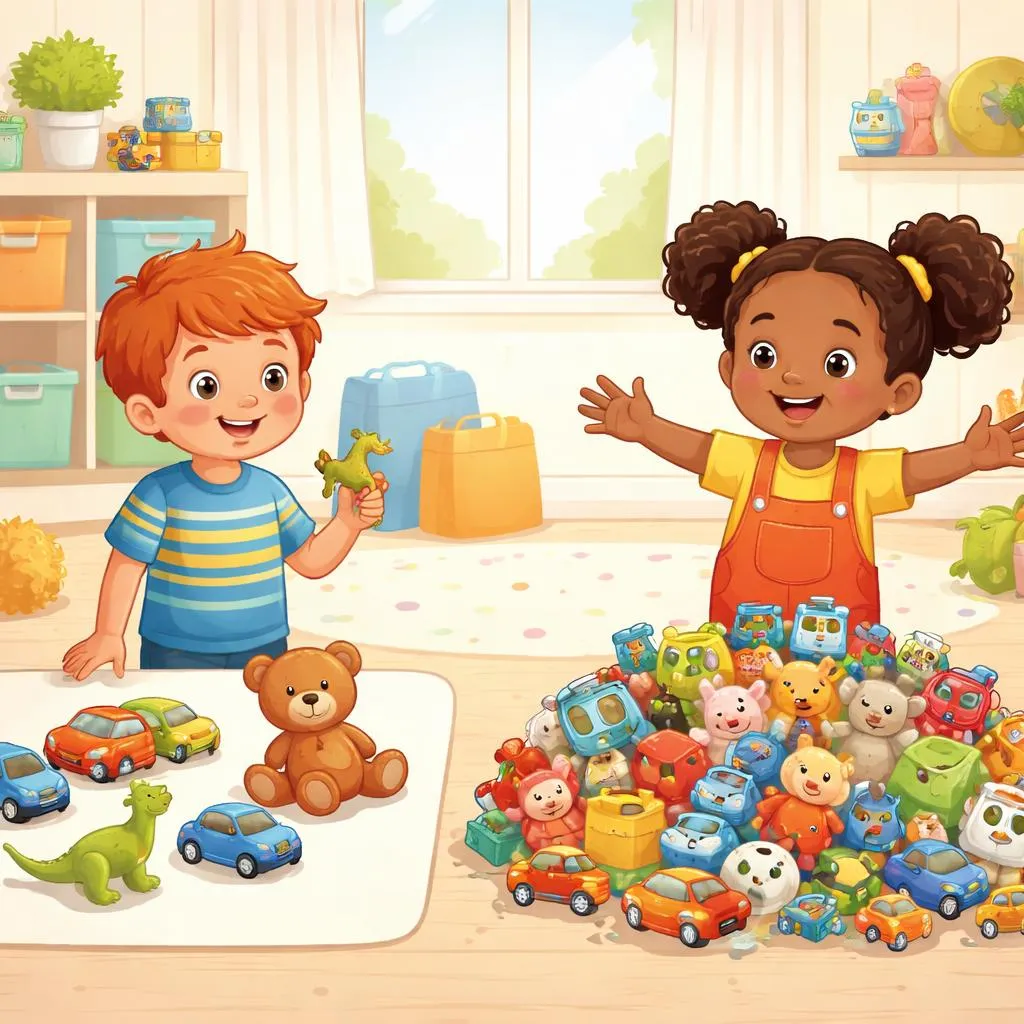
Memory tip 1: Think of a counter and a pile. “Many” needs a counter. You can count the items. “A lot of” is a big pile. Countable or uncountable.
Memory tip 2: Use your hands. Hold up many fingers for “many.” Make a big round pile shape with your arms for “a lot of.”
Memory tip 3: Ask “can I count it?” If yes, you can use “many” or “a lot of.” If no (water, sand), use “a lot of” only.
Memory tip 4: Draw two pictures. Many individual dots labeled “many.” A big blob labeled “a lot of.”
Memory tip 5: Use the “not” test. “Not many” is common. “Not a lot of” is also common. Both fine. But “many” is more common in negative sentences.
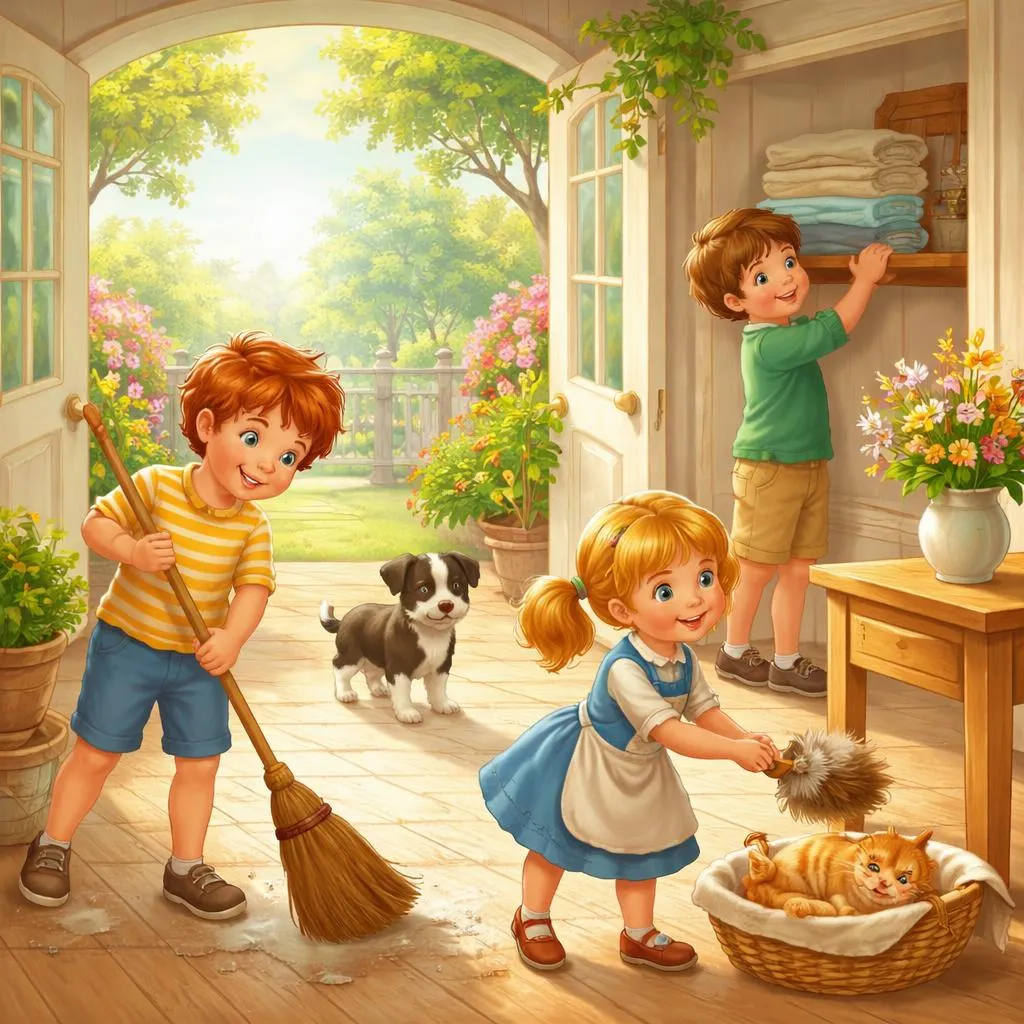
Practice these tips during cleanup. Count things. Use both phrases.
Quick Practice Time Try these exercises. Parents read aloud. Children answer.
Exercise 1: Choose the best phrase.
You want to say there is a large amount of milk in a jug. Milk is uncountable. Do you say: a) Many milk b) A lot of milk
You see a large number of ducks in a pond. Ducks are countable. Do you say: a) Many ducks b) A lot of ducks
You are writing a school report. You want to sound formal. Do you write: a) Many scientists agree b) A lot of scientists agree
Answers: 1(b), 2(a or b — both fine), 3(a — more formal)
Exercise 2: Fill in the blank.
“How __________ marbles are in the jar?” (countable, question)
“There is __________ sand on the beach.” (uncountable, positive statement)
Answers: 1. many, 2. a lot of
Bonus: Play the “Count or Not” game. Name a noun. “Milk.” “Crayons.” “Time.” “Friends.” The child says “many” (countable) or “a lot of” (uncountable or both). For countable, both work. For uncountable, only “a lot of.”
Wrap-up Use “many” for countable nouns, especially in questions and formal sentences. Use “a lot of” for all nouns in everyday, positive statements. Both mean a large quantity. One is for counting. One is for everything. Teach children that describing big amounts is fun. Many toys bring joy. A lot of love brings even more.