
Children know when something is big. A giant balloon, a tall building, a full moon. Parents say “This shirt is large” or “That truck is huge.” Are “large” and “huge” the same word? This guide helps your child understand the difference.
Both words describe big size. But one word means above average in size. The other word means extremely big or enormous. Let us explore these big words together. Your child will learn to use both with confidence.
Are Similar Words Really Interchangeable? “Large” and “huge” seem very close. But you cannot always swap them. Each word carries a different intensity. Knowing this helps your child speak more precisely.
Imagine a large bowl of cereal. The bowl is large. It holds more than a small bowl. Now imagine a huge elephant at the zoo. The elephant is huge. It is much bigger than a car. Large means big. Huge means extremely big.
Sometimes both words work. “A large building” and “a huge building” are both fine. But “huge” sounds much bigger and more impressive. Large is about size. Huge is about amazement.
Set 1: Large vs Huge — Which One Is More Common? “Large” appears very often in daily English. Children say “A large cookie” or “Large hands.” Parents say “Large family” or “Large size.” It is a common, useful word. Everyone uses it for size and amount.
“Huge” is also very common, especially for kids. Children say “Huge monster” or “Huge ice cream.” Parents say “Huge difference” or “Huge success.” It is a strong, exciting word. Teach both words together.
“Large” is more neutral. “Huge” is more emphatic. Both are good for daily use.
Set 2: Large vs Huge — Same Meaning, Different Contexts Both words can mean big. But the context changes the degree. “Large” focuses on above-average size. “Huge” focuses on extremely big size.
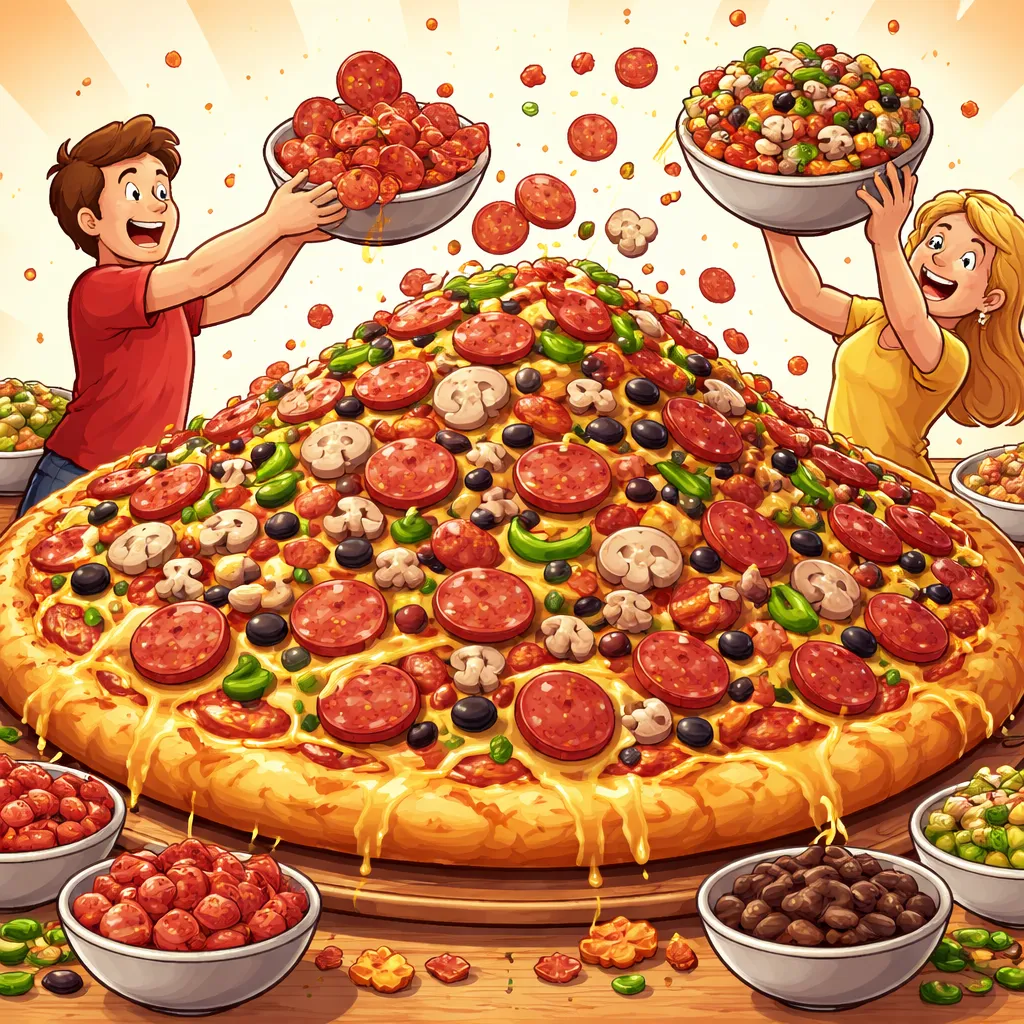
Think about a large pizza. The pizza is large. It feeds four people. Now think about a huge whale in the ocean. The whale is huge. It is as big as a bus. So large is big. Huge is very, very big.
Help your child see context with examples. “The large backpack held all my books.” “The huge mountain touched the clouds.” This builds real-world understanding. It also makes language more precise.
Set 3: Large vs Huge — Which Word Is “Bigger” or More Emphatic? “Huge” feels much bigger and more exciting. It describes things that amaze or surprise you. Huge crowd. Huge wave. Huge smile. The word carries a sense of wonder.
“Large” is softer and more factual. Large can describe clothes, drinks, or rooms. A large room is nice but not amazing. So “huge” is stronger and more emotional. “Large” is more neutral.
For children, use “large” for regular big things. “The large apple was enough for two people.” Use “huge” for amazing big things. “The huge dinosaur skeleton filled the museum.” This teaches intensity.
Set 4: Large vs Huge — Concrete vs Abstract Both words work for concrete things. Large house, huge elephant. Children understand these easily. But abstract meanings are common.
Large amount means much of something. Large heart means very kind. Large problem means serious issue. Huge success means very great win. Huge difference means very big change. Huge responsibility means very important duty. Abstract uses help children talk about amounts, feelings, and importance.
Start with concrete examples at home. “The large bucket held ten cups of water.” “The huge ship looked like a floating building.” Then move to gentle abstract ones. “She has a large heart and shares her toys.” “Winning the game was a huge success for the team.” These phrases build emotional and practical vocabulary.
Set 5: Large vs Huge — Verb or Noun? First Understand the Role “Large” is always an adjective. “The large dog slept on the couch.” It never changes form. So it is simple to learn.
“Huge” is also always an adjective. “The huge wave crashed on the beach.” Both words work the same way grammatically. That makes them easier for children.
Teach both as describing words. “The large box held many gifts.” “The huge balloon floated high in the sky.” This sequence avoids confusion. It also builds strong adjective skills.
Set 6: Large vs Huge — American English vs British English Both words are common in American and British English. There is almost no difference in meaning. But there are small preferences in use. Americans say “large” and “huge” very often. British speakers say the same.
British people say “huge” for emphasis. Americans do too. So this pair is easy for international learning. For your child, teach both words freely. A large room is large everywhere. A huge whale is huge anywhere. This makes learning simple and safe.
Set 7: Large vs Huge — Which Fits Formal Situations? Formal situations prefer “large” for measurements. A report says “The large sample size improved accuracy.” It might also say “huge sample size,” but that sounds informal. “Large” sounds more professional.
“Huge” works in formal writing too. “The company saw huge growth last year.” But for scientific or technical writing, use “large.” So formality and tone change the word choice.
For children, you do not need formal rules yet. But you can show the difference. “At school, the teacher says large group.” “In a news story, they write huge storm.” This gentle difference prepares them for later.
Set 8: Large vs Huge — Which One Is Easier for Kids to Remember? “Large” is very easy for young children. It has five letters and one clear sound. Kids know large from clothing sizes. “Large means big.” Memory sticks through daily life.
“Huge” is also very easy for young children. It has four letters and one clear sound. You can connect it to “humongous.” “Huge means very, very big.” That simple sentence helps.
Use feelings to help remember. “The large pizza fed our whole family.” “The huge whale was bigger than our car.” Repeat both words during big moments. “This apple is large. This building is huge.”
Mini Exercise: Can You Spot the Differences Between These Similar Words? Try these simple questions with your child. No pressure, just playful thinking.
Which word fits better? “The ____ popcorn bucket was enough for two people.” (Answer: large)
Which word fits better? “The ____ dinosaur skeleton filled the entire museum room.” (Answer: huge)
Is this concrete or abstract? “She has a large heart and helps everyone.” (Answer: abstract)
True or false? Something huge is always large. (Answer: true)
Which word means extremely big? (Answer: huge)
Fill in the blank: “The ____ backpack held all my school books. The ____ elephant towered over the jeep.” (Answer: large, huge)
Check answers together slowly. Talk about why each answer works. Praise every effort your child makes.
Parent Tips: How to Help Kids Learn and Remember Similar Words Learning similar words takes gentle repetition. Here are practical tips for your home.
First, use real large moments. Hold a large book. Say “This book is large.” Look at a huge tree. Say “That tree is huge.” Your child sees and feels the difference.
Second, create a “large or huge” game. Look at different things: a big apple, a giant building, a large dog, an enormous mountain. Ask “Is this large, huge, or both?” Talk about why a mountain is huge.
Third, read animal and nature stories together. Many children’s books use these words. Pause and ask “Would the author say large or huge here?” This builds critical thinking skills.
Fourth, make a word wall at home. Write “large” in orange for big. Write “huge” in red for very big. Add drawings of a big apple and a giant whale.
Fifth, use gentle correction. If your child says “The tiny ant is huge”, say “Huge means very, very big. A tiny ant is the opposite.” Never scold. Just explain.
Finally, celebrate big discoveries. When your child uses either word correctly, celebrate. “Yes, the pizza is large. And the elephant is huge. Great size words!” Positive feelings make both words stick. Your patience today builds their vocabulary for life.
Some largeness is about above-average size. Other largeness is about amazing, enormous size. Both words help us describe the big things in our world. Keep practicing together in a warm, low-pressure way. Your child will learn to choose the right word naturally. And that small skill will make every large moment more expressive in English.